what is freezing temp and its scientific wonders revealed
Table of Contents
- Understanding Freezing Temperature: Fundamental Concepts and Scientific Principles
- Scientific Definition and Phase Transition Mechanics
- Freezing Points of Common Substances and Practical Applications
- Freezing Behavior Across States of Matter: Solids, Liquids, and Gases
- Energy Transfer During Freezing: Latent Heat and Thermal Equilibrium
- Measurement Tools and Accuracy in Freezing Temperature Detection
- Thermodynamic Foundations and Molecular Dynamics in Freezing Processes
- Molecular Kinetic Energy and the Transition to Solid Lattice Structures
- Hydrogen Bonding in Water: Anomalous Freezing Behavior
- Pressure Effects on Freezing Temperature and the Mpemba Effect
- Eutectic Freezing: Mixtures and Phase Diagrams
- Pure Substances vs. Solutions: Cryoscopic Depression
- Nucleation in Freezing: Homogeneous vs. Heterogeneous Pathways
- Practical Applications of Freezing Temperature in Daily Life and Industries
- Food Preservation: From Domestic Freezers to Cryogenic Techniques
- Industrial Processes Relying on Controlled Freezing
- Antifreeze Agents: Chemical Protection Against Freezing in Automotive and HVAC Systems
- Scientific Research: Freezing as a Tool for Precision Analysis
- Freezing in Construction and Civil Engineering
- Case Study: The Great Freeze of 1936 and Its Lasting Economic Impact
- Traditional vs. Modern Freezing Technologies: A Comparative Analysis
- Extreme Freezing Temperatures: Frontiers of Cryogenics and Beyond
- Cryogenic Principles and Applications in Science and Medicine
- Records of Extreme Cold: Earth, Universe, and Human Achievement
- Challenges and Innovations in Ultra-Low Temperature Achievement
- Cryogenics in Space Exploration: Overcoming Thermal Extremes
- Absolute Zero: The Unattainable Frontier and Its Theoretical Implications
- Biological and Environmental Impacts of Freezing Temperatures: From Survival Strategies to Climate Consequences
- Adaptations in Cold-Climate Organisms: Evolutionary Innovations for Survival
- Ecosystem Responses to Freezing: A Comparative Analysis of Adaptive Strategies
- Environmental Consequences of Global Freezing Events: From Glacial Periods to Modern Climate Feedback
- Biological Risks of Freezing to Humans: From Hypothermia to Cryopreservation Ethics
- Invasive Species in Freezing Conditions: Ecological Disruptors of Cold Environments
- Innovations and Future Trends in Freezing Technology
- Emerging Technologies in Cryogenic Engineering
- Futuristic Applications of Freezing Technology
- Cryoelectronics and Next-Generation Computing
- Sustainable Freezing Methods and Renewable Integration
- AI and Machine Learning in Cryogenic Optimization
- Future Trends in Freezing Technology (2025–2050)
When water transforms into ice at zero degrees Celsius, it is not merely a seasonal shift but a fundamental scientific phenomenon shaping industries, ecosystems, and cutting-edge research. Freezing temperature, the threshold where liquids solidify, governs everything from preserving vaccines to exploring the cosmos, yet its complexities remain shrouded in misconceptions even among the scientifically literate.
The science behind freezing extends far beyond household freezers, delving into molecular behavior, thermodynamic laws, and extreme environments where temperatures plunge near absolute zero. From the hydrogen bonds in water that defy expectations to the cryogenic techniques revolutionizing medicine and space travel, understanding freezing temperature unlocks solutions to global challenges—whether mitigating climate impacts or advancing quantum computing. This exploration reveals how a seemingly simple concept underpins technologies that redefine human capabilities.

Understanding Freezing Temperature: Fundamental Concepts and Scientific Principles

The freezing temperature represents a critical phase transition where substances undergo a fundamental change in molecular structure, shifting from a liquid to a solid state. This process is governed by thermodynamic principles, particularly the release of latent heat as molecules lose kinetic energy and align into a rigid lattice. While commonly associated with water at 0°C under standard conditions, freezing behavior varies significantly across materials, influenced by factors like pressure, purity, and molecular composition. Understanding these dynamics is essential for applications ranging from cryogenics in medical research to food preservation and industrial manufacturing.
Scientific Definition and Phase Transition Mechanics
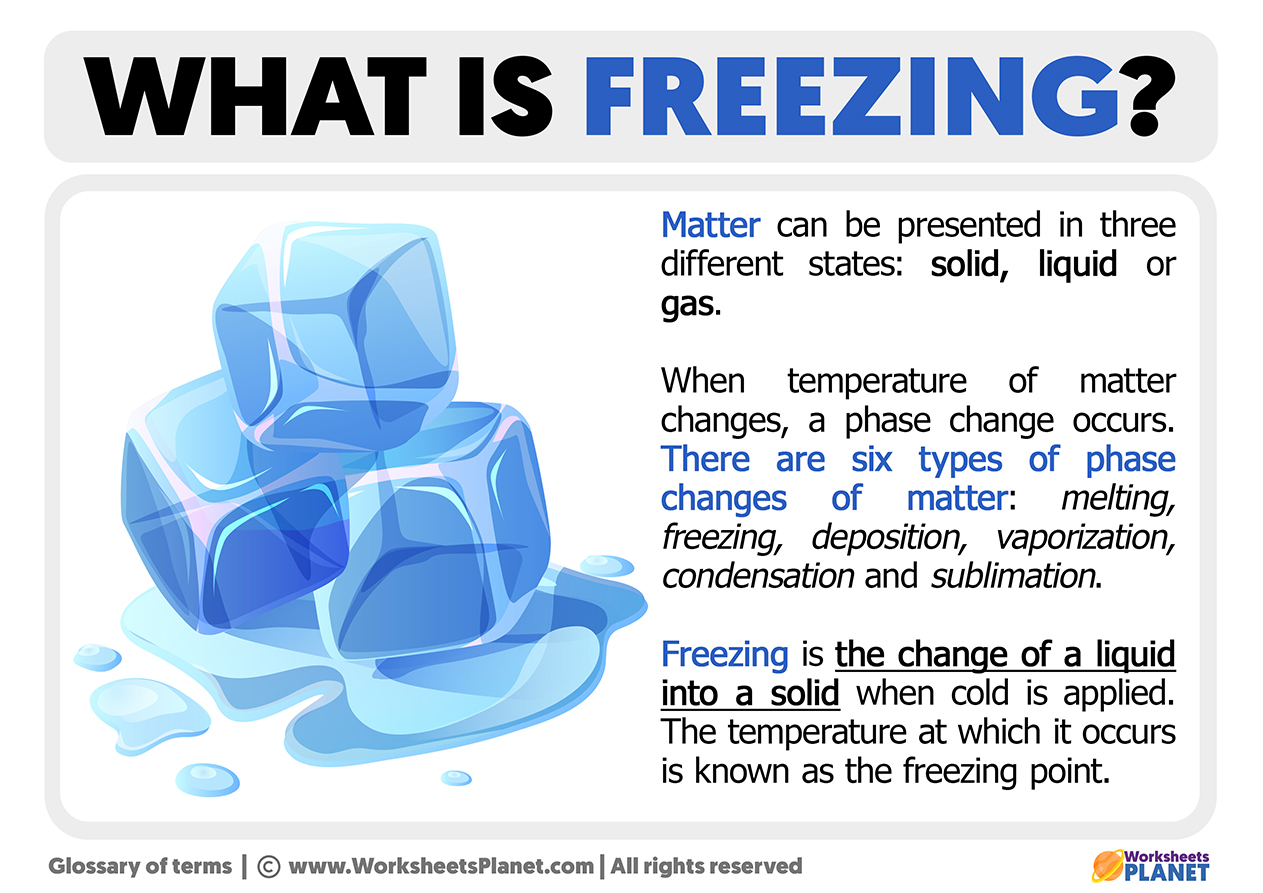
Freezing temperature is the point at which a liquid transitions into a solid due to a decrease in thermal energy, causing intermolecular forces to dominate over kinetic motion. This phase change occurs when the substance’s enthalpy reaches its latent heat of fusion, a fixed energy value unique to each material. For water (H₂O), the standard freezing point under 1 atmosphere (101.325 kPa) is 0°C (32°F or 273.15 K), where hydrogen bonds between molecules stabilize into a hexagonal crystalline structure. However, deviations arise due to: - Supercooling: Liquids remaining fluid below their theoretical freezing point (e.g., water supercooled to -40°C without crystallizing). - Impurities: Dissolved solutes (e.g., salt in seawater) lower the freezing point via colligative properties, a principle exploited in antifreeze solutions. - Pressure effects: Increased pressure can elevate or depress freezing points (e.g., ice melting under high pressure in glaciers).
The process involves three key stages: 1. Nucleation: Formation of solid embryos within the liquid. 2. Crystal growth: Expansion of solid regions as heat escapes. 3. Thermal equilibrium: Stabilization when all liquid converts to solid, releasing latent heat (e.g., 334 J/g for water).
Freezing Points of Common Substances and Practical Applications
Freezing temperatures vary drastically across substances due to differences in molecular bonding and intermolecular forces. Below is a comparative table of critical materials, their freezing points, and real-world applications:
| Substance | Chemical Formula | Freezing Point (°C) | Applications |
|---|---|---|---|
| Water | H₂O | 0°C (standard) | Biology, climate systems, food preservation |
| Mercury | Hg | -38.83°C | Thermometers, dental amalgams (historically) |
| Ethanol | C₂H₅OH | -114.1°C | Fuel additives, antiseptics, laboratory solvents |
| Liquid Nitrogen | N₂ | -210°C | Cryopreservation, superconductivity research, food freezing |
| Carbon Dioxide (Dry Ice) | CO₂ | -78.5°C (sublimation) | Dry ice blasting, shipping perishables, special effects |
| Ammonia | NH₃ | -77.7°C | Refrigeration systems, fertilizer production |
Key Observations: - Metals (e.g., aluminum at 660.3°C) exhibit high freezing points due to metallic bonding. - Noble gases (e.g., helium at -272.2°C) require extreme cooling due to weak van der Waals forces. - Sublimation: Some substances (e.g., CO₂) skip the liquid phase entirely, transitioning directly from solid to gas.
Freezing Behavior Across States of Matter: Solids, Liquids, and Gases
While liquids are most commonly associated with freezing, the concept extends to gases and even solids under specific conditions. The behavior depends on the phase diagram of the substance, which maps pressure-temperature relationships.
- Liquids to Solids: Water exemplifies this transition, but anomalies exist. For instance, silicon (a semiconductor) freezes at 1,414°C, while gallium melts in the hand (~29.8°C) but solidifies at lower temperatures. Dry ice (solid CO₂) sublimates at -78.5°C without forming a liquid, even at high pressure.
- Gases to Solids (Deposition): Gases can freeze directly into solids under low temperatures and pressure. Liquid nitrogen (-196°C) freezes into solid nitrogen at -210°C, used in MRI machines and particle physics. Carbon monoxide (CO) freezes at -205°C, critical for industrial gas storage.
- Solids Under Extreme Conditions: Some solids, like ice VII (a high-pressure form of water), exist only under >2 GPa (20,000 atmospheres), demonstrating how pressure alters phase stability. Metallic hydrogen, theorized to form under >400 GPa, may exist as a solid at room temperature, revolutionizing superconductivity research.
Energy Transfer During Freezing: Latent Heat and Thermal Equilibrium
The freezing process is governed by the first law of thermodynamics, where energy is conserved as heat is released. A flowchart of this process reveals three critical components:
1. Sensible Heat Loss: The liquid cools from its initial temperature to the freezing point, releasing heat proportional to its specific heat capacity (e.g., water releases 4.18 J/g°C).
2. Latent Heat of Fusion: At the freezing point, the substance releases latent heat (Lf) as bonds form. For water, this is 334 J/g, sufficient to warm 1 gram of water by 80°C. This energy must be removed to sustain freezing.
3. Thermal Equilibrium: The system stabilizes when all liquid converts to solid, with no further temperature change until external heat is reintroduced. In industrial applications, phase change materials (PCMs) like paraffin wax exploit this principle for passive thermal regulation in buildings.
Example: Freezing 1 kg of water at 20°C to ice at 0°C requires: - Sensible heat removal: (20°C × 4.18 J/g°C) = 83.6 kJ. - Latent heat release: 334 J/g × 1,000 g = 334 kJ. Total energy released: 417.6 kJ, demonstrating why ice formation is a highly exothermic process.
Measurement Tools and Accuracy in Freezing Temperature Detection
Precise measurement of freezing temperatures is critical in scientific, medical, and industrial fields. Instruments vary in accuracy, range, and application:
- Thermometers: - Liquid-in-glass: Accurate to ±0.1°C (e.g., mercury or alcohol thermometers), limited to -39°C to 356°C. - Bimetallic strip: Mechanical devices with ±1°C accuracy, used in ovens and HVAC systems.
- Electronic Sensors: - Thermistors: High sensitivity (±0.01°C) but limited to -50°C to 150°C; ideal for laboratory use. - RTDs (Resistance Temperature Detectors): Platinum-based, accurate to ±0.1°C over -200°C to 650°C, used in cryogenics and pharmaceuticals.
- Cryogenic Probes: - Silicon diode sensors: Measure down to -273°C with ±0.01°C precision, essential for liquid helium research. - Fiber optic sensors: Immune to electromagnetic interference, used in aerospace for extreme-environment monitoring.
Limitations: - Response time: Slow sensors (e.g., glass thermometers) may lag in dynamic systems. - Calibration drift: Electronic sensors require periodic recalibration against triple-point cells (e.g., water’s equilibrium point at 0.01°C). - Environmental factors:
Thermodynamic Foundations and Molecular Dynamics in Freezing Processes
Freezing represents a phase transition where a substance converts from liquid to solid, governed by fundamental principles of thermodynamics and molecular interactions. At the core of this transformation lies the interplay between kinetic energy reduction and intermolecular forces, which dictate whether particles remain disordered (liquid) or organize into a rigid lattice (solid). Understanding these mechanisms reveals why water defies conventional expectations, how pressure alters freezing behavior, and how impurities or mixtures introduce complexities like eutectic freezing and supercooling. The following exploration dissects these processes, from the microscopic motion of molecules to macroscopic phenomena observable in nature and industry.
Molecular Kinetic Energy and the Transition to Solid Lattice Structures
The freezing process initiates when thermal energy—measured as the average kinetic energy of molecules—drops below a critical threshold, reducing particle mobility. In liquids, molecules vibrate and translate randomly, maintaining short-range order. As temperature declines, vibrational amplitudes decrease, and intermolecular attractions (e.g., van der Waals forces, hydrogen bonds) dominate. At the freezing point, these attractions overcome thermal motion, locking molecules into a crystalline lattice with fixed positions and directional bonds.
For most substances, this transition occurs at a specific temperature where enthalpy (ΔH) is released as latent heat, while entropy (ΔS) decreases as disorder transitions to order. However, the efficiency of lattice formation varies: amorphous solids (e.g., glass) freeze without long-range order, whereas crystalline solids (e.g., ice) exhibit geometric precision. The Gibbs free energy equation (ΔG = ΔH − TΔS) predicts freezing when ΔG becomes negative, favoring the solid phase. Below the freezing point, thermal fluctuations are insufficient to disrupt the lattice, stabilizing the solid state.
Hydrogen Bonding in Water: Anomalous Freezing Behavior
Water’s freezing point (0°C at 1 atm) is anomalously high compared to similar hydrides like hydrogen sulfide (H₂S, freezing at −85.5°C) due to hydrogen bonding, a network of dipole interactions between hydrogen and oxygen atoms. This bonding requires ~21 kJ/mol to disrupt, far exceeding the energy needed for weaker van der Waals forces in H₂S. The process unfolds in stages:
1. Liquid Water Structure: Molecules form transient hydrogen-bonded clusters, with each water molecule participating in ~3.5 bonds on average. 2. Supercooling: Below 0°C, clusters grow but remain disordered until nucleation triggers crystallization. 3. Hexagonal Ice Formation: At equilibrium, water crystallizes into ice Ih, a hexagonal lattice where each molecule bonds to four neighbors, maximizing hydrogen-bond satisfaction and minimizing energy. 4. Density Anomaly: Ice’s open structure incorporates air pockets, reducing density to 0.917 g/cm³—unlike most substances, which contract upon freezing.
Visual Representation: Diagram of water molecules forming hexagonal ice crystals at freezing point, labeled with hydrogen bonds (dashed lines) and temperature gradients (red arrows indicating heat loss). The lattice shows O–H···O angles of ~109°, with each oxygen atom tetrahedrally coordinated.
Pressure Effects on Freezing Temperature and the Mpemba Effect
Pressure alters freezing by compressing molecules, influencing intermolecular distances and bond strengths. The Clausius-Clapeyron equation (dP/dT = ΔH/TΔV) quantifies this relationship: for substances expanding upon freezing (e.g., water), increased pressure lowers the freezing point (e.g., ice melts at −1°C under 133 atm). Conversely, substances contracting upon freezing (e.g., metals) exhibit higher freezing points under pressure.
Key Phenomena: - Mpemba Effect: Hot water can freeze faster than cold under specific conditions (e.g., shallow containers, evaporative cooling). Proposed mechanisms include: - Evaporative Heat Loss: Faster evaporation from hot water reduces total heat content. - Convection Currents: Hot water’s stronger currents distribute heat more evenly, aiding uniform cooling. - Nucleation Advantages: Supercooling is less likely in hot water due to early bubble formation acting as nucleation sites. - High-Pressure Freezing: Used in food preservation (e.g., high-pressure shift freezing), where pressures of 200–300 MPa induce ice nucleation at −20°C, preserving texture and nutrients without large ice crystal formation.
Eutectic Freezing: Mixtures and Phase Diagrams
In mixtures, components often freeze at temperatures lower than their individual freezing points, a phenomenon governed by phase diagrams and eutectic points. At the eutectic composition, the mixture solidifies entirely at a single temperature, forming a blend of crystalline phases. Examples span critical industries:
- Metallurgy: Bronze (copper-tin alloys) solidifies at ~850°C, below copper’s 1,085°C or tin’s 232°C, enhancing malleability. - Cryobiology: Eutectic solutions (e.g., glycerol-water) protect cells during vitrification, avoiding ice crystal damage by depressing freezing to −30°C. - Food Science: Sugar-water mixtures in ice cream lower the freezing point, creating a smoother texture via depression of freezing point (cryoscopy).
Phase Behavior: - Non-Eutectic Mixtures: Partial freezing occurs, with one component crystallizing first (e.g., saltwater, where ice forms at −2°C). - Vitrification: Amorphous solids form if cooling is rapid enough to bypass crystallization (e.g., freeze-dried coffee).
Pure Substances vs. Solutions: Cryoscopic Depression
Solutes disrupt the orderly freezing of solvents by interfering with lattice formation, a principle exploited in cryoscopy (freezing point depression). The relationship is quantified by: ΔTf = i·Kf·m Where: - ΔTf = freezing point depression, - i = van ’t Hoff factor (ions per formula unit), - Kf = cryoscopic constant (1.86 °C·kg/mol for water), - m = molality of solute.
Comparative Freezing Behaviors:
| Substance | Pure Freezing Point | With Solute (1 molal) | Key Application |
|---|---|---|---|
| Water (H₂O) | 0°C | −1.86°C | Antifreeze in engines |
| Saltwater (3.5% NaCl) | −1.9°C | −7.2°C (higher salinity) | Ocean freezing, de-icing roads |
| Ethylene Glycol (in water) | −12.9°C (50% w/w) | −37°C (70% w/w) | Automotive antifreeze |
| Mercury (Hg) | −38.83°C | −42°C (with gold) | Dental amalgams |
Mechanism: Solutes (e.g., NaCl) surround solvent molecules, hindering hydrogen bond networks in water. The entropy gain from solute-solvent interactions stabilizes the liquid phase, requiring lower temperatures to initiate freezing.
Nucleation in Freezing: Homogeneous vs. Heterogeneous Pathways
Nucleation is the initiation of solid formation, categorized by the substrate providing the template:
- Homogeneous Nucleation: - Occurs in pure substances without foreign surfaces. - Requires high supercooling (e.g., −40°C for water) to overcome the Gibbs free energy barrier for nucleus formation. - Example: Cloud seeding with silver iodide (AgI) mimics ice crystal structures, promoting heterogeneous nucleation.
- Heterogeneous Nucleation: - Catalyzed by impurities (e.g., dust, container walls) that lower the energy barrier. - Common in artificial ice makers, where rough surfaces or ice nucleators (e.g., proteins in bacteria) induce freezing at −3°C. - Supercooling: Liquids can remain liquid below their freezing point until nucleation triggers crystallization (e.g., freezing rain).
Critical Nucleus Size: The Kelvin equation defines the minimum nucleus radius (rcrit) for stable growth: rcrit = 2γSLTm/ΔHfΔT Where γSL = solid-liquid interfacial energy, Tm = melting point, ΔHf
Practical Applications of Freezing Temperature in Daily Life and Industries
Freezing temperature is a cornerstone of modern technology and daily life, enabling preservation, scientific breakthroughs, and industrial innovation. Beyond its fundamental role in thermodynamics, controlled freezing transforms raw materials, safeguards biological samples, and enhances efficiency in sectors ranging from food production to civil engineering. This section explores how freezing temperature is harnessed across industries, from household appliances to cutting-edge research, while examining its economic, environmental, and technological implications.
Food Preservation: From Domestic Freezers to Cryogenic Techniques
Freezing remains one of the most effective methods for extending food shelf life by halting microbial growth and enzymatic activity. Traditional domestic freezers operate between -18°C and -25°C, slowing spoilage while retaining texture and nutritional value. However, advanced techniques like cryogenic freezing (using liquid nitrogen at -196°C) achieve instantaneous freezing, preserving cellular integrity in delicate foods such as berries, seafood, and ready-to-eat meals. This method minimizes ice crystal formation, reducing cell damage and maintaining flavor.
Freeze-drying, or lyophilization, leverages sublimation—transitioning ice directly to vapor at low pressures—to remove moisture without heat. Widely used for coffee, instant meals, and pharmaceuticals, this process ensures long-term stability while retaining sensory qualities. Meanwhile, ice cream production relies on controlled freezing to emulsify fats, sugars, and air, creating a smooth texture. Modern ice cream machines use scraped-surface heat exchangers, freezing mixtures at -6°C to -12°C while continuously agitating to prevent ice crystallization.
Industrial Processes Relying on Controlled Freezing
Controlled freezing is integral to industries where precision and preservation are critical. Below are key applications where freezing temperature drives innovation:
- Cryopreservation in Medical and Biological Sciences Freezing preserves biological materials at ultra-low temperatures (-80°C to -196°C) to maintain viability. Stem cells, sperm, and vaccines are stored in liquid nitrogen tanks to prevent degradation. For instance, cord blood banks use cryopreservation to store hematopoietic stem cells for future medical treatments, while pharmaceutical companies freeze live vaccines (e.g., COVID-19 mRNA vaccines) to stabilize their molecular structure.
- Advanced Material Manufacturing: Freeze-Casting and Aerogels Freeze-casting involves freezing a solvent (often water) within a slurry, followed by sublimation to create porous structures. This technique produces aerogels—ultra-light materials with insulating properties used in aerospace and construction—and carbon nanotubes, critical for electronics and energy storage. The freezing process controls pore size and distribution, enhancing material performance.
- Pharmaceuticals and Biological Sample Processing Freezing is essential for protein crystallization, where drugs like insulin and monoclonal antibodies are grown at -20°C to 4°C to form high-purity crystals for structural analysis. Additionally, blood plasma and organ tissues are cryopreserved for transplants, ensuring compatibility and reducing rejection risks.
Antifreeze Agents: Chemical Protection Against Freezing in Automotive and HVAC Systems
Antifreeze agents, primarily ethylene glycol and propylene glycol, lower the freezing point of water in automotive cooling systems and HVAC units. Ethylene glycol, with a freezing point of -37°C, is widely used but poses environmental and health risks due to toxicity. Propylene glycol, though slightly less efficient (freezing point: -34°C), is biodegradable and safer for ecosystems. These agents also elevate boiling points, preventing overheating in engines. However, their disposal requires careful treatment to avoid groundwater contamination, as ethylene glycol can persist in soil for years.
In aviation, methanol-based deicing fluids are sprayed on aircraft to prevent ice formation on wings and control surfaces. Meanwhile, thermal energy storage systems in renewable energy rely on phase-change materials (PCMs) like paraffin waxes, which solidify at controlled freezing points to store and release heat efficiently.
Scientific Research: Freezing as a Tool for Precision Analysis
Freezing temperature enables breakthroughs in microscopy, material science, and planetary research by preserving samples in their native states. The table below highlights key applications and their optimal freezing conditions:
| Application | Method | Freezing Temp Range | Key Benefit |
|---|---|---|---|
| Electron Microscopy | Cryo-fixation (plunge freezing or high-pressure freezing) | -80°C to -196°C | Preserves hydrated sample structure, preventing ice crystal artifacts that distort images. |
| Protein Crystallization | Vapor diffusion in cryo-loops | -20°C to 4°C | Yields high-quality crystals for X-ray crystallography, aiding drug design. |
| Meteorite and Planetary Sample Analysis | Liquid nitrogen cooling | -196°C | Prevents terrestrial contamination and alters volatile compounds in extraterrestrial samples. |
| Cryo-Electron Tomography | Vitrification (rapid freezing) | -170°C to -196°C | Captures 3D cellular structures at near-atomic resolution without chemical fixation. |
In quantum computing, superconducting qubits operate at near-absolute zero (-273.15°C) to minimize thermal noise, while cryogenic pumps in particle accelerators (e.g., CERN’s Large Hadron Collider) maintain ultra-low temperatures to stabilize magnetic fields.
Freezing in Construction and Civil Engineering
Freezing techniques revolutionize infrastructure projects by stabilizing soils and enabling tunneling in unstable grounds. Ground freezing involves injecting brine solutions at -20°C to -40°C into soil to form ice lenses, creating temporary barriers for water control. This method is used in: - Tunnel construction (e.g., London’s Crossrail project), where ice walls prevent groundwater inflow. - Shaft sinking for deep foundations, reducing excavation risks. - Dam and reservoir sealing, where frozen soil acts as an impermeable barrier.
In soil mechanics, ice lenses—formed by water migration and freezing—can cause frost heave, damaging roads and foundations in cold climates. Engineers mitigate this by using deicing salts or geothermal heating to regulate subsoil temperatures.
Case Study: The Great Freeze of 1936 and Its Lasting Economic Impact
The Great Freeze of 1936, a two-month Arctic blast that plunged the eastern U.S. into -30°C to -40°C temperatures, paralyzed agriculture, transportation, and daily life. Rivers like the Mississippi and Ohio froze solid, halting barge traffic and disrupting commerce. Crops withered, livestock perished, and electric grids collapsed under the strain, leaving millions without power for weeks. Economically, the freeze cost $500 million (equivalent to $10 billion today), with New York City’s subway system shutting down and thousands of deaths attributed to hypothermia. The disaster accelerated investments in insulated infrastructure, emergency power systems, and weather forecasting technology, shaping modern resilience strategies against extreme cold.
Traditional vs. Modern Freezing Technologies: A Comparative Analysis
Freezing methods have evolved from passive ice storage to high-precision cryogenics, each with distinct advantages in efficiency, cost, and scalability.
- Domestic Freezers (Mechanical Compression)
- Temperature Range: -18°C to -25°C
- Efficiency: Moderate (energy consumption: 1.5–2.5 kWh/day)
- Cost: Low initial investment, high long-term energy costs
- Applications: Household food storage, small-scale preservation
- Limitations: Slow freezing rates; ice crystal formation affects texture.
- Commercial Blast Freezers (Forced-Air or Cryogenic)
- Temperature Range: -30°C to -40°C
- Efficiency: High (energy use: 0.5–1.2 kWh/kg of product
- Dilution Refrigerators: These devices use a mixture of helium isotopes (³He and ⁴He) to reach temperatures as low as 2 millikelvin (-273.148°C). By exploiting the heat exchange between the isotopes, they enable experiments in quantum physics and superconductivity.
- Magnetic Cooling (Adiabatic Demagnetization): This technique leverages the magnetocaloric effect, where magnetic materials cool when magnetized and heat up when demagnetized. Used in quantum computing, it achieves temperatures below 100 millikelvin, critical for maintaining qubit coherence in superconducting circuits.
- Laser Cooling and Trapping: Atoms are cooled to near absolute zero using laser-induced Doppler cooling, where photons exert force to slow atomic motion. This method produced the first Bose-Einstein condensates in 1995, a state of matter predicted by Einstein and Bose in 1925.
- Cryogenic Fuel Tanks: Rockets like the Space Launch System (SLS) use liquid hydrogen and oxygen, stored at -253°C and -183°C, respectively. Insulated tanks and multilayer insulation (MLI) prevent boil-off and maintain fuel integrity during launches.
- Biological Sample Preservation on the ISS: The Minus Eighty Laboratory Freezer for ISS (MELFI) operates at -80°C to store biological samples, including those for cancer research and plant genetics. This enables long-duration experiments in microgravity.
- Lunar and Martian Thermal Challenges: Missions to the Moon and Mars encounter permafrost, CO₂ ice, and temperature swings from -125°C to 20°C. NASA’s Volatiles Investigating Polar Exploration Rover (VIPER) uses cryogenic drills to analyze water ice in lunar craters, while Martian landers like Perseverance employ radioisotope heater units (RHUs) to survive nighttime temperatures as low as -73°C.
- Room-temperature superconductors (e.g., LK-99 claims, though debated, spark research into hydride-based materials).
- Cryogenic graphene for flexible electronics operating at -200°C.
- Self-healing cryogenic coatings to prevent ice formation in aviation.
- Global cryonics regulations (e.g., WHO guidelines on human preservation ethics).
- Carbon credits for magnetic refrigeration adoption in developing nations.
- Space law frameworks for cryogenic propellant depots in LEO (Low Earth Orbit).
- Hybrid solar-wind cryogenic farms for off-grid cooling in deserts.
- Hydrogen-powered cryogenic trucks replacing diesel in cold chains.
- AI
Freezing temperature is more than a benchmark on a thermometer; it is the invisible force orchestrating life’s preservation, industrial innovation, and the boundaries of human ambition. Whether harnessing cryogenics to store stem cells or studying ice crystals to combat climate change, the principles of freezing continue to evolve, bridging ancient natural phenomena with futuristic breakthroughs. As research pushes toward absolute zero and beyond, one truth remains clear: the coldest extremes hold the keys to some of humanity’s hottest solutions.
Extreme Freezing Temperatures: Frontiers of Cryogenics and Beyond
The exploration of extreme freezing temperatures transcends conventional refrigeration, delving into realms where matter behaves in ways defying classical physics. Cryogenics—the study of materials at temperatures below -150°C—enables breakthroughs in quantum computing, medical advancements, and space exploration. At the intersection of thermodynamics and cutting-edge technology, ultra-low temperatures unlock phenomena like superconductivity and Bose-Einstein condensates, while posing engineering challenges that push the limits of human innovation. From Earth’s coldest recorded environments to the near-absolute-zero experiments in laboratories, these temperatures redefine the boundaries of scientific possibility and industrial application.Cryogenic Principles and Applications in Science and Medicine
Cryogenics leverages the unique properties of gases liquefied at extreme temperatures to enable applications spanning medical preservation, particle physics, and materials science. Liquid helium (-269°C), the coldest cryogenic fluid, is essential for cooling superconducting magnets in MRI machines and particle accelerators like CERN’s Large Hadron Collider. Liquid nitrogen (-196°C) serves as a versatile coolant in medical cryosurgery, where subzero temperatures destroy abnormal tissues, and in preserving biological samples like sperm, eggs, and organs for transplantation. Liquid hydrogen (-253°C), with its high energy density, fuels rocket propulsion systems, including NASA’s Space Launch System (SLS), while also playing a critical role in hydrogen fuel cell research. The medical field exploits cryogenics through cryopreservation, where cells and tissues are flash-frozen to halt metabolic activity, extending viability for decades. In oncology, cryoablation uses argon gas at -180°C to freeze and destroy tumors with precision. Meanwhile, quantum experiments rely on dilution refrigerators to reach millikelvin temperatures, where quantum effects dominate, enabling advancements in quantum computing and fundamental physics research.Records of Extreme Cold: Earth, Universe, and Human Achievement
The pursuit of extreme cold has yielded record-breaking temperatures across natural and human-made systems. Below is a comparative table highlighting the coldest environments observed and engineered:| Category | Temperature Record | Location/Context | Significance |
|---|---|---|---|
| Coldest Natural Temperature on Earth | -89.2°C (-128.6°F) | Vostok Station, Antarctica (1983) | Verified by satellite and ground measurements; lowest air temperature ever recorded. |
| Coldest Temperature in the Observable Universe | ~2.7 Kelvin (-270.45°C) | Cosmic Microwave Background (CMB) radiation | Afterglow of the Big Bang; sets the baseline for cosmic coldness. |
| Coldest Human-Made Temperature | 500 picokelvin (0.0000005 K) | Bose-Einstein condensates (MIT, 2003) | Atoms behave as a single quantum entity, enabling studies of quantum mechanics at macroscopic scales. |
| Coldest Solid Material | 0.25 Kelvin (-272.9°C) | Laser-cooled sodium gas (NIST, 1995) | Approaches absolute zero, demonstrating quantum degeneracy in matter. |
| Lowest Temperature in Space | ~1 Kelvin (-272.15°C) | Boomerang Nebula | Expanding gas cloud appears colder than the CMB due to rapid expansion. |
Challenges and Innovations in Ultra-Low Temperature Achievement
Achieving temperatures near absolute zero (0 Kelvin or -273.15°C)—where thermal motion ceases—demands innovative refrigeration techniques. The Third Law of Thermodynamics states that absolute zero is unattainable, as it would require infinite work to remove all thermal energy from a system. Nevertheless, scientists employ specialized methods to approach this limit:Cryogenics in Space Exploration: Overcoming Thermal Extremes
Space exploration presents unique challenges in managing extreme temperatures, from the thermal vacuum of deep space to the cryogenic fuel requirements of rockets. NASA and other space agencies employ thermal protection systems (TPS) to regulate temperatures, ensuring equipment and biological samples remain viable. Key applications include:Absolute Zero: The Unattainable Frontier and Its Theoretical Implications
Absolute zero, defined as 0 Kelvin (-273.15°C), represents the theoretical point where all thermal motion ceases. According to the Third Law of Thermodynamics, proposed by Walther Nernst in 1906, it is impossible to cool a system to absolute zero in a finite number of steps. This law stems from the observation that as temperature approaches zero, the entropy of a perfect crystal approaches a constant minimum, makingBiological and Environmental Impacts of Freezing Temperatures: From Survival Strategies to Climate Consequences
Freezing temperatures reshape ecosystems, drive evolutionary adaptations, and influence global climate systems through complex biological and environmental interactions. While some organisms thrive in subzero conditions, others face existential threats, while human activities—both mitigative and exploitative—further alter these delicate balances. The interplay between freezing processes and living systems reveals nature’s resilience, the fragility of biodiversity, and the unintended consequences of human intervention in climate regulation.Adaptations in Cold-Climate Organisms: Evolutionary Innovations for Survival
Living organisms in freezing environments have developed specialized physiological and biochemical mechanisms to endure extreme cold. These adaptations often involve molecular-level innovations that prevent ice formation, maintain cellular integrity, or enter metabolic states of reduced activity. Antifreeze proteins and cryoprotectants are critical in aquatic species, where ice crystals would otherwise rupture cell membranes. For instance, Antarctic fish produce glycoproteins that bind to ice nuclei, lowering the freezing point of their bodily fluids without toxic effects. Similarly, insects like the woolly bear caterpillar synthesize polyols (e.g., glycerol) to act as natural antifreeze, while mammals such as Arctic ground squirrels enter torpor—a hibernation-like state—where metabolic rates plummet to 1–5% of normal levels, conserving energy while body temperatures drop to near freezing. Plants employ supercooling and ice nucleation proteins to avoid cellular damage. Woody species like maple trees produce antifreeze proteins to prevent xylem vessels from freezing, while crops such as rye contain ice nucleation proteins that trigger controlled ice formation outside critical cells, preventing intracellular damage. Some plants also accumulate sugars (e.g., sucrose) and proline, which stabilize cell membranes and proteins in freezing conditions.Ecosystem Responses to Freezing: A Comparative Analysis of Adaptive Strategies
Different ecosystems exhibit distinct adaptive responses to freezing, shaped by their unique environmental constraints and species compositions. The following table highlights key mechanisms and representative species across three diverse habitats: {| Ecosystem | Adaptation Mechanism | Example Species |
|---|---|---|
| Arctic Tundra | Insulating blubber/fur and countercurrent heat exchange to minimize heat loss | Polar bears (blubber layers up to 11 cm), musk oxen (dense fur and subcutaneous fat) |
| Alpine Meadows | Dormancy (bud scales, seed viability) and photosynthetic pigments (e.g., anthocyanins) for UV/cold protection | Edelweiss (Leontopodium nivale), alpine flowers like Saxifraga species |
| Freshwater Lakes | Ice formation as a thermal insulator and oxygen stratification during winter | Lake trout (Salvelinus namaycush), phytoplankton (e.g., Diatoms that survive under ice) |
| Deep-Sea Hydrothermal Vents | Pressure-resistant enzymes and chemosynthesis-based metabolism (independent of sunlight) | Riftia pachyptila (tube worms), Methanogens (anaerobic archaea) |
| Desert Freeze-Thaw Zones | Seed desiccation tolerance and rapid germination post-thaw | Ice plant (Mesembryanthemum crystallinum), Desert truffle (Terfezia) fungi |
Environmental Consequences of Global Freezing Events: From Glacial Periods to Modern Climate Feedback
Freezing temperatures have historically driven mass extinctions and evolutionary radiations, with modern climate shifts accelerating these effects. Glacial periods, such as the Pleistocene Ice Ages, forced species migrations and adaptive radiations, while permafrost thawing in the Arctic now releases methane (CH₄), a greenhouse gas 25 times more potent than CO₂ over a 100-year period. The 2020 Siberian heatwave, which caused permafrost fires, released an estimated 37 million tons of CO₂—equivalent to Sweden’s annual emissions. Sea ice formation plays a dual role in climate regulation: it reflects ~50–70% of sunlight (albedo effect), cooling the planet, while its melting exposes darker ocean waters, increasing heat absorption. The Arctic Amplification phenomenon—where polar regions warm 3–4 times faster than the global average—disrupts thermohaline circulation, potentially altering European and North American weather patterns. Meanwhile, lake-effect snow, driven by cold air passing over unfrozen lake surfaces (e.g., Lake Erie or the Great Lakes), can deposit meters of snow in leeward regions, as seen in Buffalo, NY, where lake-effect storms dumped 2.5 meters of snow in 2019.Biological Risks of Freezing to Humans: From Hypothermia to Cryopreservation Ethics
Humans are vulnerable to freezing temperatures, with hypothermia—a dangerous drop in core body temperature below 35°C—progressing through three stages: 1. Mild (32–35°C): Shivering, confusion, slowed reflexes. 2. Moderate (28–32°C): Loss of consciousness, irregular heartbeat. 3. Severe (<28°C): Cardiac arrest, requiring rewarming via intravenous fluids or extracorporeal methods. Treatment involves active external rewarming (e.g., warm blankets) for mild cases and core rewarming (e.g., heated IV fluids, peritoneal lavage) for severe hypothermia. Accidental hypothermia claims ~1,300 lives annually in the U.S., often in elderly populations or homeless individuals. Cryopreservation—the freezing of biological tissues for future use—holds promise in medicine. Human sperm and embryos have been successfully cryopreserved for decades, while organ cryopreservation remains experimental. In 2021, a team at the University of Minnesota achieved partial revival of pig kidneys after being frozen for 24 hours, raising hopes for transplant viability. However, ice crystal formation during freezing can damage cell membranes, necessitating cryoprotectants like glycerol or dimethyl sulfoxide (DMSO). Cryonics, the practice of freezing deceased humans for potential future revival, remains highly controversial. While companies like Alcor claim ~400 patients are cryopreserved, critics argue that current technology lacks the ability to repair cellular damage caused by freezing. Ethical debates persist over consent, resource allocation, and the definition of death in cryopreserved individuals.Invasive Species in Freezing Conditions: Ecological Disruptors of Cold Environments
Some invasive species exploit freezing conditions to outcompete native flora and fauna. Psychrophilic fungi, such as Sclerotinia sclerotiorum, thrive in cold soils, causing white mold disease in crops like lettuce and beans, leading to $100+ million in annual losses in the U.S. Similarly, bacterial ice nucleators (e.g., Pseudomonas syringae) promote ice formation in plants, increasing frost damage to wheat and barley. In aquatic systems, invasive zebra and quagga mussels (originating from Eurasia) outcompete native species in cold lakes, altering nutrient cycles and fishery dynamics. Their byssal threads can clog pipes, costing $1 billion annually in infrastructure damage. Meanwhile, cold-adapted algae like Didymosphenia geminata ("rock snot") form slime mats on riverbeds, suffocating native invertebrates and disrupting salmon spawning grounds."Geoengineering proposals to artificially induce freezing—such as large-scale cloud seeding or artificial snowmaking—could inadvertently disrupt monsoon patterns or exacerbate regional droughts." — IPCC Special Report on Climate Change and Land (2019) Geoengineering techniques like stratospheric aerosol injection (SAI) or marine cloud brightening (Innovations and Future Trends in Freezing Technology
The intersection of cryogenic science and cutting-edge engineering is reshaping industries, from quantum computing to space exploration. Emerging innovations in freezing technology are not only pushing the boundaries of what is physically possible but also addressing sustainability and scalability challenges. High-temperature superconductors, quantum refrigeration, and AI-driven cryogenic systems represent just a fraction of the advancements redefining ultra-low-temperature applications. These technologies are poised to revolutionize fields such as medicine, energy storage, and logistics, while also raising ethical and practical questions about their global implementation.Emerging Technologies in Cryogenic Engineering
Cryogenic engineering is evolving beyond traditional liquid nitrogen or helium cooling systems, with breakthroughs in materials and physics enabling unprecedented temperature control. High-temperature superconductors (HTS), capable of operating at -135°C, are transforming energy transmission and magnetic resonance imaging (MRI) by eliminating resistive losses. Researchers at the National High Magnetic Field Laboratory have demonstrated HTS magnets that generate 40 Tesla fields—far beyond conventional superconductors—using REBCO (Rare-Earth Barium Copper Oxide) tapes. These materials could enable compact, efficient particle accelerators and fusion reactors, reducing the need for massive liquid helium cooling infrastructure. Another frontier is quantum refrigeration, where nanoscale devices exploit quantum effects to achieve temperatures near absolute zero (0 K). Quantum dot refrigerators and optical cooling techniques leverage photon absorption to extract heat from microscopic systems, critical for quantum computing and precision sensors. The NIST (National Institute of Standards and Technology) has developed a laser-cooled atomic system reaching 50 nanokelvin, a milestone for studying quantum phenomena. Meanwhile, magnetic levitation and cryogenic energy storage systems are being tested for grid stabilization, using superconducting magnetic energy storage (SMES) to store excess renewable energy as magnetic fields in cryogenically cooled coils.Futuristic Applications of Freezing Technology
The integration of freezing technology into unconventional sectors is unlocking possibilities once confined to science fiction. Cryogenic preservation is expanding beyond biological samples to human cryonics, with organizations like Alcor Life Extension Foundation offering whole-body freezing at -196°C in anticipation of future medical revival. While controversial, this field leverages vitrification techniques to prevent ice crystal formation in tissues, preserving cellular structures for decades. Space agencies are also exploring cryogenic propellant depots, where liquid hydrogen and oxygen are stored at -253°C for deep-space missions. NASA’s Space Launch System (SLS) and SpaceX’s Starship rely on such systems to enable Mars colonization by reducing refueling logistics in orbit. In materials science, 3D printing with cryogenic resins is producing ultra-strong, lightweight components for aerospace and defense. Carbon-fiber composites infused with liquid nitrogen exhibit 50% higher tensile strength, while cryogenic forging enhances metal alloys for turbine blades. The European Space Agency (ESA) has experimented with cryogenic 3D printing to manufacture tools for lunar bases, where extreme temperature fluctuations require materials that can withstand -173°C to 127°C. These advancements are also trickling into consumer goods, with cryogenic grinding used to produce nanoparticle powders for batteries and cosmetics.Cryoelectronics and Next-Generation Computing
The fusion of cryogenics and electronics is paving the way for quantum and low-power computing. Superconducting qubits, cooled to millikelvin temperatures, form the backbone of quantum processors like IBM’s Heron chip and Google’s Sycamore, which achieve quantum supremacy by minimizing thermal noise. These systems rely on dilution refrigerators, which can cool to 10 millikelvin, far colder than traditional helium systems. Beyond quantum computing, cryogenic CMOS transistors are enabling ultra-low-power devices for IoT sensors and edge computing. Intel and IBM have prototyped cryo-CMOS circuits that operate at -200°C, reducing energy consumption by 90% compared to room-temperature counterparts. The European Union’s Human Brain Project is exploring cryoelectronic neural networks, where biological samples are preserved at -80°C for whole-brain emulation research. While still theoretical, such approaches could revolutionize neuroscience by allowing long-term study of neural activity without degradation. However, scaling these technologies requires overcoming thermal management challenges, as even minor heat leaks can disrupt quantum coherence.Sustainable Freezing Methods and Renewable Integration
Traditional vapor-compression refrigeration, responsible for 10% of global electricity use, is being replaced by eco-friendly alternatives. Magnetic refrigeration, which uses the magnetocaloric effect (where materials heat or cool in response to magnetic fields), eliminates harmful refrigerants like hydrofluorocarbons (HFCs). The European project "CoolSiC" has developed a solid-state magnetic refrigerator using gadolinium-gallium-germanium alloys, achieving room-temperature cooling with 30% higher efficiency than conventional systems. This technology is being commercialized by Cambridge University spin-off CoolTech Applications, targeting data centers and medical cooling. For remote and off-grid applications, solar-powered cryogenic cooling is emerging as a solution. Solar stills combined with Stirling engines can produce liquid nitrogen on-site, enabling vaccine refrigeration in rural Africa or food preservation in Arctic communities. The UN’s Sustainable Development Goals (SDG 7) highlight such innovations as critical for energy access and climate resilience. Additionally, thermoelectric cryogenic systems are being tested for waste heat recovery, converting industrial heat into cooling power without additional energy input.AI and Machine Learning in Cryogenic Optimization
Artificial intelligence is optimizing freezing processes by predicting thermal behavior, energy use, and failure points in real time. Predictive algorithms trained on IoT sensors in cold chains can forecast food spoilage up to 72 hours in advance, reducing waste in pharmaceutical and grocery logistics. Companies like IBM and SAP are deploying AI-driven cold storage management, adjusting temperatures dynamically to extend shelf life. For instance, Amazon’s cold storage warehouses use reinforcement learning to balance energy costs and product freshness, cutting refrigeration energy use by 15%. In autonomous cryogenic systems, AI controls helium recovery units in laboratories and cryogenic fuel depots in aerospace. NASA’s Deep Space Network employs machine learning to optimize liquid hydrogen storage for spacecraft, preventing boil-off losses that can exceed 1% per day. Similarly, Tesla’s Gigafactories use AI to monitor battery thermal management, where cryogenic cooling is critical for lithium-ion safety. These systems reduce human error and improve scalability in large-scale cryogenic operations.Future Trends in Freezing Technology (2025–2050)
The next decades will witness paradigm shifts in freezing technology, driven by materials science, policy, and energy integration. Below is a decade-wise forecast of key developments:
Decade Breakthroughs in Materials Science Policy and Ethical Frameworks Renewable Energy Integration 2025–2030
Leave a Comment
Comments are moderated before appearing. The data you submit is processed according to the Privacy Policy of Salt.