Empire Mine State Historic Park Unveiled Through Time
Table of Contents
- The Foundations of Empire Mine: Origins and the California Mining Boom
- Key Milestones in Empire Mine’s Evolution
- Cultural and Economic Impact on Grass Valley and the Sierra Nevada
- Working Conditions and the Harsh Reality of Mining Life
- Comparative Analysis: Empire Mine vs. Other Notable California Mines
- Architectural and Industrial Features of Empire Mine
- Underground Tunnels and Shaft Systems
- Surface Structures: Stamp Mills and Ore Processing
- Engineering Innovations and Adaptations
- Tools and Equipment Used by Miners
- Empire Mine State Historic Park as a Tourist Destination
- Transformation from Mine to Historic Park
- Visitor Information and Practical Guide
- Guided Tours and Educational Programs
- Visitor Experience and Interactive Elements
- Comparison of Empire Mine to Other U.S. Mining Historic Sites
- Geological and Mineralogical Highlights of Empire Mine
- Primary Minerals Extracted and Their Historical Uses
- Scientific Process of Mineral Identification at Empire Mine
- Environmental Impact of Mining at Empire Mine
- Assay Techniques: From Historical Methods to Modern Analytics
- Cultural and Educational Programs at Empire Mine State Historic Park
- Educational Programs for Different Age Groups
- Historical Reenactments and Living History Demonstrations
- Preserving and Sharing Stories of Diverse Mining Communities
- Research Resources and Academic Collaborations
- Partnerships with Local Organizations
- Preservation Challenges and Future of Empire Mine State Historic Park
- Prioritized Preservation Challenges and Mitigation Strategies
- Successful Preservation Projects and Techniques
- Role of Volunteers and Community Involvement
- Long-Term Goals and Strategic Roadmap
- Balancing Historical Accuracy with Modern Safety Standards
- Threats to the Park’s Future and Mitigation Strategies
- Comparative Analysis of Preservation Challenges
Buried deep in California’s Gold Country, Empire Mine State Historic Park stands as a testament to the relentless human pursuit of wealth, innovation, and survival. Since its inception in 1850, this sprawling mining complex has witnessed the rise and fall of an industry that reshaped economies, communities, and landscapes, leaving behind a legacy etched in timbered tunnels and forgotten labor struggles. Unlike many ghost towns left to decay, Empire Mine has been meticulously preserved, offering visitors a rare glimpse into the gritty, glamorous, and often brutal world of 19th-century mining.
The park’s transformation from a bustling industrial hub to a state-protected monument reflects broader shifts in how society values its history. Today, it serves as both a museum and a classroom, where the clatter of pickaxes echoes through restored stamp mills and the scent of crushed ore lingers in the air. Beyond its role as a tourist attraction, Empire Mine illuminates the complex interplay between progress and exploitation, showcasing how a single mine could fuel a regional boom while leaving behind scars on the land and its people. From the gold-rush fever that drew thousands to its doors to the modern challenges of conservation, this historic site remains a living archive of America’s industrial past.

The Foundations of Empire Mine: Origins and the California Mining Boom

The Empire Mine stands as a monumental testament to California’s 19th-century gold and silver rush, a period that reshaped the economic and social landscape of the Sierra Nevada region. Established in 1850, just months after the discovery of gold at Sutter’s Mill ignited a frenzied migration, the Empire Mine emerged as a cornerstone of Grass Valley’s prosperity. Unlike the fleeting claims of prospectors, this mine evolved into a sophisticated industrial operation, leveraging advanced engineering and labor forces to extract millions in ore over seven decades. Its legacy transcends mere mineral wealth; it reflects the grit, innovation, and hardship of an era when California’s identity was forged in the crucible of mining.
The mine’s origins trace back to John Sutter’s original land grant, which included the area now known as Grass Valley. Early operations were rudimentary, relying on hand-dug shafts and basic hydraulic techniques to separate gold from quartz. By the 1860s, however, technological advancements—such as the introduction of stamp mills and hard-rock mining methods—transformed the Empire Mine into one of the most productive operations in the state. These innovations allowed miners to tap into deeper, more lucrative veins of ore, including silver, which became increasingly valuable as global markets expanded. The mine’s transition from gold-centric to a bimetallic (gold and silver) operation marked a pivotal shift, aligning with broader economic trends that prioritized silver’s role in international trade and currency.
Key Milestones in Empire Mine’s Evolution
The Empire Mine’s history is punctuated by milestones that illustrate its adaptability and resilience amid shifting economic and technological landscapes. Below are the defining phases of its development, each reflecting broader trends in California’s mining industry:
- 1850–1860: The Early Years and Gold Rush Frenzy The mine’s initial phase mirrored the chaotic energy of the Gold Rush, with thousands of prospectors flocking to Grass Valley. Empire Mine’s early output, though substantial, was overshadowed by the sheer volume of gold extracted from placer deposits. During this period, the mine operated as a partnership among local entrepreneurs, including figures like John C. Frazier, who later became instrumental in its expansion. Working conditions were brutal, with miners toiling in unventilated shafts, often without proper safety measures. Despite these challenges, the mine’s proximity to Grass Valley’s emerging infrastructure—such as roads and water systems—positioned it as a long-term player in the region’s economic future.
- 1861–1880: The Silver Boom and Industrialization The discovery of silver deposits in the late 1850s and 1860s propelled the Empire Mine into a new era. By 1864, the mine had shifted its focus to silver extraction, capitalizing on the Comstock Lode’s success in Nevada, which drove up demand for the metal. This period saw the construction of modern milling facilities, including the Empire Mill, capable of processing thousands of tons of ore daily. The mine’s output surged, with annual production reaching over 2 million dollars by the 1870s—a staggering figure for the time. The arrival of Chinese laborers, who comprised a significant portion of the workforce, further boosted productivity, though their contributions often went unrecognized in historical accounts.
- 1881–1900: Mechanization and Labor Struggles The late 19th century brought mechanization to the Empire Mine, with the adoption of steam-powered drills, compressed-air tools, and electric lighting. These advancements increased efficiency but also intensified labor disputes. Miners, organized under the Western Federation of Miners (WFM), staged strikes in 1892 and 1903 to demand better wages, safer conditions, and the recognition of their unions. The mine’s management, often resistant to labor reforms, clashed repeatedly with workers, culminating in violent confrontations. Despite these tensions, the Empire Mine remained a leader in production, extracting over 5.5 million ounces of gold and 26 million ounces of silver by the turn of the century.
- 1901–1956: Decline and Preservation The early 20th century marked the beginning of the Empire Mine’s decline, as depleting ore reserves and rising operational costs eroded profitability. By the 1930s, the Great Depression further strained the mine’s viability, though it briefly reopened during World War II to supply silver for military needs. The final chapter in its industrial life came in 1956, when the mine closed permanently. However, its legacy was secured through preservation efforts led by the California State Parks system, which acquired the site in 1963 and transformed it into a historic park.
Cultural and Economic Impact on Grass Valley and the Sierra Nevada
The Empire Mine’s influence extended far beyond its physical boundaries, shaping the cultural fabric and economic trajectory of Grass Valley and the broader Sierra Nevada region. As the largest and most enduring mine in the state, it became the backbone of Grass Valley’s economy, attracting laborers, investors, and entrepreneurs from across the globe. The town’s growth mirrored the mine’s success, with saloons, boarding houses, and mercantile shops springing up to cater to the influx of workers. By the 1870s, Grass Valley had evolved into a bustling urban center, complete with banks, churches, and schools, many of which still stand today.
Economically, the Empire Mine’s operations generated millions in revenue, funding infrastructure projects such as roads, railroads, and water systems that connected the region to national markets. The mine’s global supply chains—particularly its silver exports—played a role in stabilizing international currency markets during the 19th century. Culturally, the diverse workforce, comprising European immigrants, Chinese laborers, and Native American workers, created a melting pot of traditions, languages, and conflicts. Chinese immigrants, in particular, faced discrimination and violence, including the 1885 lynching of 28 Chinese miners in nearby Yuba City, an event that underscored the racial tensions of the era.
The mine’s daily operations also left an indelible mark on local communities. Boarding houses, such as the Empire Hotel, housed thousands of workers, while company stores ensured miners could purchase essentials on credit—a system that often led to debt bondage. The Empire Mine’s hospital and school, though rudimentary, provided critical services to families in the area. Even after its closure, the mine’s shadow loomed large, with ghost towns like Bodie serving as reminders of the boom-and-bust cycle that defined Sierra Nevada’s mining history.
Working Conditions and the Harsh Reality of Mining Life
Life inside the Empire Mine was defined by exhausting labor, perilous conditions, and a constant struggle for survival. Miners endured long shifts—often 10 to 12 hours daily, six days a week—in cramped, poorly ventilated shafts where temperatures could exceed 100°F (38°C). The absence of safety regulations meant that cave-ins, explosions, and toxic gas exposure were common hazards. Injuries such as crushed limbs, lung diseases (from silica dust), and mercury poisoning were frequent, with little recourse for affected workers. A 1870 report by the California State Mining Bureau revealed that accident rates at Empire Mine were nearly double those of other major mines in the region.
Health hazards were compounded by unsanitary living conditions. Many miners resided in crowded, vermin-infested boarding houses, where diseases like typhoid and tuberculosis spread rapidly. The 1878 smallpox outbreak in Grass Valley, which killed dozens, highlighted the lack of public health infrastructure. Women and children, who made up a small but vital portion of the workforce—often working in washing and sorting operations—faced similar hardships, though their contributions were rarely documented.
Labor disputes were another defining feature of life at the Empire Mine. The Western Federation of Miners (WFM), founded in 1893, led several strikes to demand higher wages, shorter hours, and union recognition. The 1903 strike, which lasted six months, saw miners barricade themselves in the mine’s tunnels, refusing to emerge until their demands were met. While some concessions were won, management often hired strikebreakers or brutally suppressed protests, as seen in the 1906 violence that left several workers dead. These conflicts reflected broader tensions between capital and labor that shaped America’s industrial landscape.
Comparative Analysis: Empire Mine vs. Other Notable California Mines
The Empire Mine’s legacy can be better understood through comparison with other iconic California mines, each of which played a unique role in the state’s mining boom
Architectural and Industrial Features of Empire Mine
The Empire Mine stands as a testament to 19th-century industrial ingenuity, blending raw functionality with adaptive engineering to sustain one of California’s most productive gold operations. Its architectural and industrial elements reflect both the technological limitations and breakthroughs of the era, creating a complex system that transformed raw ore into profit. From the labyrinthine underground tunnels to the towering surface structures, every component of the mine was designed to optimize extraction, processing, and safety—often pushing the boundaries of what was possible with the tools and knowledge available at the time.
The mine’s infrastructure was a harmonized blend of brute-force labor and emerging mechanical advancements, distinguishing it from smaller, more rudimentary operations. Its layout incorporated innovations in ventilation, water management, and structural support, ensuring operations could scale as demand for gold intensified. Below, the architectural and industrial features of Empire Mine are dissected, revealing how its design evolved alongside the mining boom and technological progress of the 1800s.
Underground Tunnels and Shaft Systems
Empire Mine’s subterranean network was a marvel of 19th-century engineering, stretching over 13 miles of tunnels and shafts that delved as deep as 2,450 feet below the surface. Unlike surface mines, which relied on open-pit excavation, Empire Mine utilized adits—horizontal tunnels driven into hillsides—to access ore deposits while minimizing water ingress. The primary adit, known as the Grass Valley Adit, served as the mine’s lifeline, allowing miners to work in drier conditions and transport ore via tramways (wooden rail systems) to processing facilities.
The mine’s vertical shafts, such as the Washington Shaft and Empire Shaft, were critical for deep-level extraction. These shafts were reinforced with timber cribbing—a system of interlocking wooden beams—to prevent cave-ins, a common hazard in unconsolidated rock. Hoisting mechanisms, initially powered by horse-drawn windlasses and later by steam engines, lifted ore and miners to the surface. The deepest sections required compressed-air drills (introduced in the late 1800s) to penetrate hard quartz veins, replacing slower, manual methods like pick-and-shovel mining.
"The Empire Mine’s adit system was a defining feature, allowing miners to follow ore veins horizontally while avoiding the flooding risks of vertical shafts." — Historical Mining Engineering Reports, California State Mining Museum
Surface Structures: Stamp Mills and Ore Processing
Above ground, the stamp mill was the heart of Empire Mine’s processing operations, where raw ore was crushed into finer particles to extract gold. The mill at Empire Mine was one of the largest in California, capable of processing up to 1,000 tons of ore per day at its peak. The process began with ore carts hauled from underground via tramways, which dumped material into rockers—large, heavy frames that broke the ore into manageable chunks. These chunks were then fed into stamps, massive wooden or iron-framed hammers suspended above a mortar-like crushing bed. When dropped by a camshaft mechanism, the stamps pulverized the ore into a fine slurry.
The crushed ore was then sluiced through buddles—shallow, inclined troughs lined with riffles (small ridges) that trapped gold particles as water washed away waste. For higher-grade ore, the slurry was processed in mercury vats, where gold amalgamated with mercury before being heated to vaporize the mercury and leave behind pure gold. By the late 1800s, cyanide leaching was introduced, a more efficient chemical process that replaced mercury’s toxic hazards.
Adjacent to the stamp mill stood smelting furnaces, where concentrated ore was heated to separate gold from impurities. These furnaces operated at temperatures exceeding 2,000°F (1,100°C), requiring brick-lined fireboxes and blowpipes to force air into the flames. The mine’s ore processing plant also included crushing mills (later using steel balls for grinding) and concentrating tables, which used water currents to separate gold from gangue (worthless rock).
Engineering Innovations and Adaptations
Empire Mine incorporated several engineering innovations that set it apart from contemporary mines, particularly in ventilation, water management, and mechanization. The mine’s ventilation system was critical for removing noxious gases (such as carbon monoxide from blasting) and providing breathable air for miners. Early systems relied on natural drafts created by shafts, but by the 1870s, steam-powered fans were installed to circulate air through extensive tunnel networks. These fans, often housed in separate ventilation buildings, could move thousands of cubic feet of air per minute, a significant improvement over passive methods.
Water management was another challenge, as the mine’s adits often intersected with aquifers, risking flooding. Miners employed sump pumps—initially hand-operated and later steam-driven—to drain water continuously. The Empire Mine’s drainage system included wooden flumes and cast-iron pipes that channeled water to tailrace channels, which carried it safely away from the mine. In some sections, timber cribbing was used to support tunnel ceilings above water-saturated zones.
Mechanical advancements transformed Empire Mine from a labor-intensive operation to a semi-industrial enterprise. Early tools included: - Hand drills (for shallow blasting) - Black powder (gunpowder) for explosives - Hand-operated stamps (replaced by steam-powered versions by 1860)
By the 1880s, the introduction of steam engines revolutionized hoisting, crushing, and pumping. The mine’s Corliss steam engine (a high-efficiency model) powered hoists capable of lifting 5-ton ore buckets at speeds of 100 feet per minute. Electricity arrived in the early 1900s, powering electric drills and lighting systems that replaced dangerous oil lamps. The shift from horse-drawn tramways to electric locomotives in the underground further boosted efficiency, reducing transit times for ore and supplies.
Tools and Equipment Used by Miners
Miners at Empire Mine relied on a mix of hand tools, specialized machinery, and safety gear, each designed for specific tasks in the harsh underground environment. Below is a categorized breakdown of the essential equipment, organized by function:
| Category | Tool/Machinery | Purpose | Era of Use | |||||||||||||||||||||||||||||||||||||||||||||||||||||||||||||||||||||||||||||||
|---|---|---|---|---|---|---|---|---|---|---|---|---|---|---|---|---|---|---|---|---|---|---|---|---|---|---|---|---|---|---|---|---|---|---|---|---|---|---|---|---|---|---|---|---|---|---|---|---|---|---|---|---|---|---|---|---|---|---|---|---|---|---|---|---|---|---|---|---|---|---|---|---|---|---|---|---|---|---|---|---|---|---|
| Excavation | Pickaxe | Breaking rock and ore from walls; primary tool for mucking (removing loose material). | 1850s–1930s | |||||||||||||||||||||||||||||||||||||||||||||||||||||||||||||||||||||||||||||||
| Hand Drill | Creating blast holes in rock; often a bow drill or star drill for precision. | 1850s–1880s | ||||||||||||||||||||||||||||||||||||||||||||||||||||||||||||||||||||||||||||||||
| Compressed-Air Drill | High-speed drilling for deep holes; reduced miner fatigue compared to hand tools. | 1880s–1930s | ||||||||||||||||||||||||||||||||||||||||||||||||||||||||||||||||||||||||||||||||
| Dynamite | Explosive for blasting; replaced black powder in the 1870s, increasing safety and efficiency. | 1870s–1930s | ||||||||||||||||||||||||||||||||||||||||||||||||||||||||||||||||||||||||||||||||
| Transport | Ore Cart | Hauling crushed ore via tramways; typically wooden with metal wheels. | 1850s–1920s | |||||||||||||||||||||||||||||||||||||||||||||||||||||||||||||||||||||||||||||||
| Horse-Drawn Tram | Pulling multiple ore carts along wooden rails; replaced by electric locomotives. | 1860s–1910s | ||||||||||||||||||||||||||||||||||||||||||||||||||||||||||||||||||||||||||||||||
| Electric Locomotive |
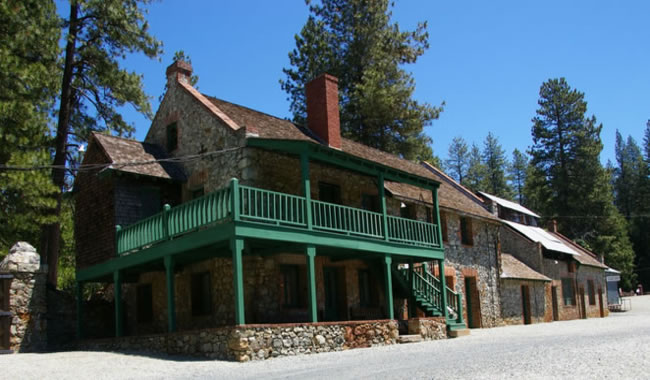
Empire Mine State Historic Park as a Tourist DestinationFrom a bustling 19th-century gold mining operation to a meticulously preserved state historic park, Empire Mine’s transformation reflects decades of dedicated conservation efforts. The site’s evolution into a premier tourist destination began in the 1970s, led by the California State Parks system in collaboration with local historians, mining enthusiasts, and the Empire Mine Foundation. Key figures, including historian and author William L. Ricketts, played pivotal roles in documenting the mine’s legacy, while state funding and volunteer labor restored its structures, machinery, and underground tunnels. Today, the park stands as a testament to California’s mining heritage, attracting over 150,000 visitors annually and serving as a cornerstone of regional tourism. The park’s preservation was not merely about halting decay but reviving a lost era through immersive storytelling. Modern amenities and interpretive programs now bridge the gap between history and contemporary engagement, ensuring the site’s relevance for future generations.Transformation from Mine to Historic ParkThe transition of Empire Mine from an active mining site to a state historic park involved three critical phases: closure, restoration, and reimagining. In 1963, the mine officially ceased operations after nearly a century of production, marking the end of an era. Recognizing its historical significance, the California State Parks Commission acquired the site in 1975, initiating a restoration project that spanned over a decade. This effort included stabilizing underground tunnels, preserving original equipment like stamp mills and ore cars, and reconstructing historic buildings such as the 1850s-era boarding house and blacksmith shop. The Empire Mine Foundation, a nonprofit organization formed in 1982, complemented state efforts by fundraising for exhibits, educational programs, and archaeological surveys. Their work uncovered artifacts like miners’ tools, personal letters, and company records, which now form the backbone of the park’s collections. In 1996, the site was designated a National Historic Landmark, solidifying its status as a cultural treasure. Today, the park operates under a public-private partnership, with the state managing operations and the foundation supporting specialized programs.Visitor Information and Practical GuidePlanning a visit to Empire Mine State Historic Park begins with understanding its operational hours, accessibility, and seasonal considerations. The park is open daily from 10:00 AM to 5:00 PM, with extended hours during peak seasons (Memorial Day to Labor Day). Admission fees are structured to encourage accessibility: $15 for adults (18+), $12 for seniors (62+), $8 for youth (6–17), and free for children under 5. Discounts are available for California State Parks Pass holders and military personnel. Accessibility features ensure the park is inclusive for all visitors. The main visitor center and museum are wheelchair-accessible, with ramps and elevators provided. Underground mine tours, however, require moderate mobility due to uneven terrain and stairs; wheelchair-accessible alternatives include surface tours and the 1850s Boarding House exhibit. Service animals are permitted throughout the park. The best times to visit are spring (April–June) and fall (September–October), when crowds are smaller and temperatures are mild. Summer months can be crowded, while winter visits may limit outdoor activities.Guided Tours and Educational ProgramsThe park’s guided tours offer a multi-sensory journey into the lives of 19th-century miners, blending history, science, and hands-on learning. Each tour is designed to cater to different age groups and interests, with advanced reservations recommended during peak seasons. Below are the primary offerings:Visitor Experience and Interactive ElementsA visit to Empire Mine transcends passive observation, immersing guests in an interactive, multi-media-rich environment that spans tactile, visual, and auditory engagement. The visitor center’s "Touch Tables" allow children (and adults) to handle authentic artifacts, including gold nuggets, pickaxes, and miners’ coins, under the guidance of rangers. Augmented reality (AR) exhibits in the museum let visitors "see" the mine’s original layout through 3D reconstructions, while oral history recordings from former miners’ descendants add a personal touch. Underground tours incorporate soundscapes that replicate the clanging of ore cars and the hum of stamp mills, creating an auditory time capsule. For those unable to descend, the surface tour’s "Mine Simulator" offers a virtual ride through the tunnels via a 360-degree projection. Seasonal highlights include:Comparison of Empire Mine to Other U.S. Mining Historic SitesEmpire Mine State Historic Park distinguishes itself through unique features, educational depth, and visitor amenities when compared to other prominent mining sites in the U.S. Below is a four-column comparison highlighting key differentiators:
Assay Techniques: From Historical Methods to Modern AnalyticsThe accuracy of mineral extraction depended on reliable assaying techniques, which evolved from rudimentary tests to advanced laboratory methods. Below is a step-by-step procedure for historical and modern assaying: Historical Methods (Pre-20th Century): 1. Fire Assay for Gold and SilverCultural and Educational Programs at Empire Mine State Historic ParkEmpire Mine State Historic Park transcends its role as a historical site by actively engaging visitors through immersive cultural and educational programs. These initiatives foster a deeper understanding of mining history, labor dynamics, and the diverse communities that shaped California’s Gold Rush era. Through structured curricula, living history demonstrations, and collaborative partnerships, the park bridges the past with contemporary learning, ensuring the legacy of Empire Mine remains relevant and accessible to all ages. The park’s educational framework is designed to accommodate diverse audiences, from young learners to academic researchers, while preserving the authenticity of 19th-century mining life. Programs emphasize experiential learning, storytelling, and interdisciplinary collaboration, reinforcing the park’s mission to educate, inspire, and honor the multicultural heritage of its workers.Educational Programs for Different Age GroupsEmpire Mine State Historic Park offers tailored educational experiences that align with developmental stages and academic standards. School field trips, summer camps, and family workshops provide hands-on learning opportunities, ensuring engagement across generational lines.Historical Reenactments and Living History DemonstrationsLiving history demonstrations at Empire Mine State Historic Park transport visitors into the 19th century through authentic portrayals and skill-based workshops. These immersive experiences highlight the daily lives, struggles, and innovations of miners, blacksmiths, cooks, and other laborers, creating a tangible connection to the past. Key demonstrations include:Preserving and Sharing Stories of Diverse Mining CommunitiesEmpire Mine State Historic Park serves as a custodian of the multicultural narratives that define California’s mining history. The park’s labor history timeline and archival collections document the experiences of Chinese, Latin American, European, and Indigenous workers, challenging the myth of a homogeneous mining population. A timeline of labor history at the park outlines key milestones:Research Resources and Academic CollaborationsEmpire Mine State Historic Park collaborates with universities, museums, and cultural institutions to host lectures, symposia, and special exhibits that deepen public understanding of mining history. These partnerships provide access to specialized research materials and foster interdisciplinary dialogue among historians, geologists, and social scientists. Notable collaborations include:Partnerships with Local OrganizationsEmpire Mine State Historic Park’s programming is strengthened through collaborations with local historical societies, museums, and tourism boards. The following table outlines key partnerships and their contributions to educational and cultural initiatives at the park.
|
Leave a Comment
Comments are moderated before appearing. The data you submit is processed according to the Privacy Policy of Salt.