Navigating the Chaos: Expert *One Battle After Another Reviews* Breakdown
Table of Contents
- The Complete Overview of One Battle After Another Reviews
- Historical Background and Evolution
- Core Mechanics: How It Works
- Key Benefits and Crucial Impact
- Major Advantages
- Comparative Analysis
- Future Trends and Innovations
- Conclusion
- Comprehensive FAQs
- Q: Is One Battle After Another worth the frustration for beginners?
- Q: How does One Battle After Another compare to Arma or Hell Let Loose ?
- Q: Are there any tutorials or guides to help new players?
- Q: Does the game support multiplayer, and is it active?
- Q: Can One Battle After Another be played on console, or is it PC-only?
- Q: What makes One Battle After Another unique compared to other tactical games?
The One Battle After Another reviews landscape is a battlefield of its own—polarized, passionate, and littered with clashing perspectives. On one side, critics hail its uncompromising realism and granular tactical depth, praising its ability to simulate the brutal, unpredictable nature of warfare. On the other, players decry its steep learning curve, jarring mechanics, and a design philosophy that seems to revel in frustration. The game’s premise—recreating historical engagements with painstaking accuracy—isn’t the issue. The problem lies in how it executes that vision, forcing players to confront not just enemy fire, but the game’s own design quirks.
What sets One Battle After Another apart isn’t just its ambition, but its refusal to soften the edges. Unlike most tactical games that balance accessibility with challenge, this title demands mastery of its systems before even attempting a full-scale battle. The reviews reflect this divide: some players emerge victorious, others abandon the game in exasperation. The core question isn’t whether the game succeeds—it’s whether its philosophy aligns with the player’s tolerance for complexity. For those who embrace its rigor, the payoff is a simulation so immersive it feels like stepping into a war room rather than playing a game.
The backlash isn’t just about difficulty, though. It’s about the game’s unapologetic approach to historical fidelity—down to the smallest details. Every review worth reading dissects not just the gameplay, but the why behind its design choices. Why does the game insist on manual squad management when modern shooters automate it? Why does it punish inexperience with relentless, unforgiving mechanics? The answers lie in its creator’s vision: a game that doesn’t just simulate war, but forces players to understand it.
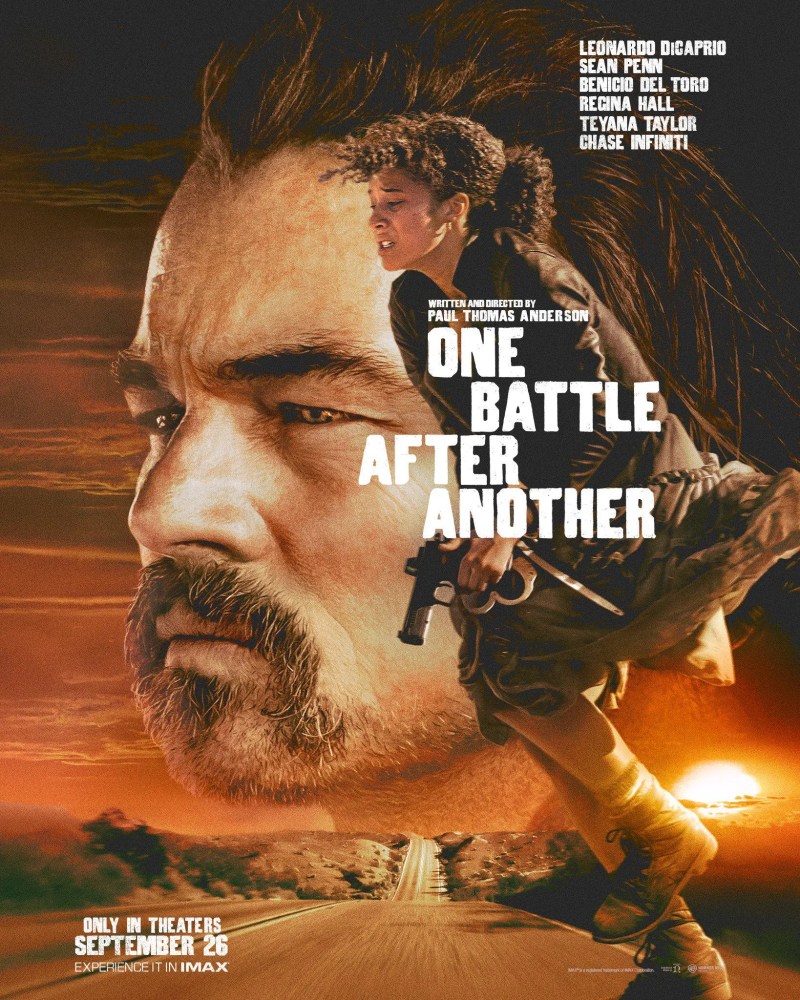
The Complete Overview of One Battle After Another Reviews
One Battle After Another isn’t just another tactical shooter—it’s a deliberate provocation. The reviews surrounding it aren’t mere critiques; they’re a microcosm of the gaming community’s relationship with simulation games. While titles like Arma or Company of Heroes offer a mix of accessibility and depth, One Battle After Another strips away all concessions. This isn’t a game for casual players or those seeking polished, streamlined gameplay. It’s for enthusiasts who crave authenticity, even if it means wading through clunky interfaces and punishing mechanics. The reviews, therefore, split sharply between those who see its flaws as features and those who view them as dealbreakers.The game’s reception isn’t monolithic, but the common thread is its philosophy—one that prioritizes historical accuracy over player convenience. Critics who engage with its design praise its attention to detail, from realistic ballistics to unit-specific behaviors. Players who struggle with its complexity, however, often describe it as "unforgiving" or "needlessly difficult." The divide isn’t just about skill level; it’s about what players expect from a tactical game. One Battle After Another doesn’t just challenge its audience—it interrogates their patience.
Historical Background and Evolution
One Battle After Another emerged from the indie scene as a labor of love, rooted in a deep respect for historical military simulations. Unlike many modern tactical games that draw inspiration from pop culture or abstracted warfare, this title is grounded in meticulously researched engagements. Its creator, a former military historian, aimed to recreate battles not as glorified shootouts, but as the chaotic, logistical nightmares they truly were. Early reviews highlighted this ambition, with many praising its departure from the "Hollywood war" trope. The game’s evolution, however, has been marked by a tension between its lofty goals and its execution.The game’s development has been iterative, with each update addressing feedback while doubling down on its core philosophy. Critics have noted that while some mechanics have improved, the game’s fundamental approach remains unchanged—unapologetically difficult, uncompromising in its realism. This has led to a fascinating dynamic in the reviews: older critiques often focus on technical rough edges, while newer ones dissect the game’s deeper design choices. The evolution isn’t just about polish; it’s about refining a vision that many find either brilliant or baffling.
Core Mechanics: How It Works
At its heart, One Battle After Another is a game of systems—layered, interconnected, and designed to simulate the fog of war. The core loop revolves around squad management, where players must manually assign roles, distribute ammunition, and account for fatigue, morale, and terrain effects. Unlike traditional shooters where cover and movement are abstracted, this game forces players to consider every variable: wind direction, bullet drop, and even the psychological impact of friendly casualties. The reviews consistently highlight this as both the game’s greatest strength and its most frustrating weakness.The mechanics are deliberately opaque, requiring players to learn through trial and error. There’s no hand-holding; no tutorials that explain why a squad might suddenly panic or why a sniper’s shot misses by inches. This design choice has sparked debate in the reviews. Some argue it’s necessary for authenticity, while others call it a step backward in an era where games like Hell Let Loose offer similar depth with more accessible interfaces. The game’s lack of a traditional "campaign" further isolates it—players must either dive into multiplayer or recreate historical battles from scratch, adding another layer of complexity to an already steep learning curve.
Key Benefits and Crucial Impact
The impact of One Battle After Another extends beyond its player base—it’s a statement on what tactical games can be, even if that means alienating a portion of the audience. The reviews that champion it do so not just for its gameplay, but for its defiance of industry trends. In an era where games prioritize accessibility and replayability, One Battle After Another asks players to commit, to engage deeply, and to accept that mastery isn’t instantaneous. This philosophy resonates with a niche but devoted community, one that values authenticity over convenience.The game’s influence is also evident in how it’s discussed. Unlike most reviews, which focus on gameplay alone, analyses of One Battle After Another often delve into its historical accuracy, its design philosophy, and even its ethical implications. Does simulating war responsibly require this level of difficulty? Should games that aim for realism be held to a higher standard? These questions aren’t just academic—they’re central to how the game is perceived.
"One Battle After Another doesn’t just simulate war—it forces you to feel its weight. The trade-off is frustration, but for those who stick with it, the payoff is unparalleled immersion." — Rock, Paper, Shotgun
Major Advantages
- Unmatched Historical Fidelity: The game’s research-driven approach to battles, units, and mechanics sets it apart from most tactical titles. Reviews frequently cite its attention to detail, from accurate weapon ballistics to period-specific tactics.
- Deep Tactical Layering: Every decision—from squad composition to terrain exploitation—has tangible consequences. Players who master these systems describe a level of engagement rare in modern shooters.
- Multiplayer Depth: The game’s PvP and PvE modes offer dynamic, unpredictable encounters that reward strategic thinking over brute force. This has earned praise for its replayability among hardcore players.
- Modding and Customization: The game’s robust modding tools allow players to recreate lesser-known battles or tweak mechanics. This has fostered a dedicated community that extends the game’s lifespan through user-generated content.
- Philosophical Integrity: Unlike many games that soften their edges for mass appeal, One Battle After Another embraces its flaws as part of its identity. This has sparked important conversations about realism in gaming.

Comparative Analysis
| One Battle After Another | Competing Titles (e.g., Arma, Hell Let Loose) |
|---|---|
| Manual squad management with no automation (e.g., no "follow leader" modes). | Hybrid systems—manual control for veterans, automated assistance for beginners. |
| Steep learning curve; assumes prior knowledge of military tactics. | Gradual onboarding with tutorials and campaign modes. |
| Minimal hand-holding; relies on player experimentation. | Structured progression (missions, objectives) to guide learning. |
| Focus on historical accuracy over accessibility. | Balances realism with player-friendly mechanics. |
Future Trends and Innovations
The future of One Battle After Another hinges on whether its niche audience grows or if it remains a cult favorite. The reviews suggest that its biggest challenge isn’t technical—it’s philosophical. Can the game evolve without diluting its core identity? Early signs point to a focus on refining its multiplayer and modding ecosystems, which could attract more players while retaining its hardcore appeal. If the developer continues to prioritize authenticity over mass-market appeal, the game may carve out a permanent space in the tactical genre.Beyond One Battle After Another, the trends in tactical games are shifting toward hybrid models—combining deep simulation with accessibility. Titles like Hell Let Loose prove that realism and player-friendliness aren’t mutually exclusive. Whether One Battle After Another follows this path or doubles down on its current approach will determine its longevity. One thing is certain: the reviews will continue to reflect its polarizing nature, as it remains a test case for how far a game can push realism before losing its audience entirely.

Conclusion
One Battle After Another isn’t a game for everyone, and that’s by design. The reviews that celebrate it do so not despite its flaws, but because of them. It’s a title that demands respect—from its players, its critics, and its developers. For those who embrace its challenge, it offers a level of immersion few games can match. For others, it’s a masterclass in why tactical games should be more forgiving. The debate isn’t about the game’s quality; it’s about what players are willing to sacrifice for authenticity.As the genre evolves, One Battle After Another stands as a reminder that innovation often comes at the cost of accessibility. The reviews will continue to clash, but the game’s legacy is already secure: it redefined what a tactical shooter could be, even if that meant pitting players against not just their enemies, but the game itself.
Comprehensive FAQs
Q: Is One Battle After Another worth the frustration for beginners?
A: Only if you’re prepared to invest significant time into learning its systems. The game offers no hand-holding, and early sessions can be overwhelming. However, once mastered, its depth rewards patience with unparalleled tactical engagement.
Q: How does One Battle After Another compare to Arma or Hell Let Loose?
A: While all three games prioritize realism, One Battle After Another is far more rigid in its mechanics, offering no automation or player assistance. Arma and Hell Let Loose balance depth with accessibility, making them more approachable for newcomers.
Q: Are there any tutorials or guides to help new players?
A: Official tutorials are minimal, but the game’s modding community has created extensive guides and historical battle recreations. Reddit threads and YouTube walkthroughs also cover core mechanics, though the learning curve remains steep.
Q: Does the game support multiplayer, and is it active?
A: Yes, it features both PvP and PvE multiplayer modes, though the player base is smaller compared to titles like Arma. The community is active but niche, often focused on historical recreations rather than casual play.
Q: Can One Battle After Another be played on console, or is it PC-only?
A: As of now, the game is PC-exclusive. Its complex mechanics and lack of controller optimizations make console adaptation unlikely in the near future.
Q: What makes One Battle After Another unique compared to other tactical games?
A: Its uncompromising approach to realism—manual squad management, no automation, and a focus on historical accuracy—sets it apart. Unlike most tactical games, it doesn’t soften its edges for accessibility, making it a polarizing but distinctive experience.
Leave a Comment
Comments are moderated before appearing. The data you submit is processed according to the Privacy Policy of Vetlife Archive.