Templeton Feed and Grain Shaping Modern Agriculture
Table of Contents
- The Foundations of Templeton Feed and Grain: Origins, Growth, and Industry Leadership
- Early Development and Industry Entry
- Key Milestones in Expansion and Innovation
- Adapting to Historical Challenges
- Early Business Model and Market Dominance
- Notable Partnerships and Collaborations
- Legacy and Influence on Modern Feed Production
- Product Line and Specializations: Feed Formulations and Grain Offerings
- Comprehensive Feed Portfolio by Livestock Type
- Custom Feed Formulations: Science and Sourcing
- Comparative Table: Key Feed Products by Livestock Type
- Proprietary Additives and Innovative Supplements
- Operational Excellence: Facilities, Technology, and Supply Chain Management
- Production Facilities: Locations, Capacity, and Key Features
- Supply Chain Infrastructure: Grain Procurement and Distribution Networks
- Technology-Driven Operational Enhancements
- Quality Assurance Protocols and Testing Methods
- Sustainability Practices in Operations
- Customer-Centric Approach: Services, Support, and Farmer Partnerships
- Technical Support and Feed Consultation Services
- Farmer Engagement Programs: Workshops, Webinars, and On-Site Training
- Financial and Profitability Tools: Feed Cost Analysis and Budgeting
- Testimonials: Real Impact from Farmer Partnerships
- Loyalty Programs and Incentives for Long-Term Clients
- Digital Tools and Platforms for Data-Driven Farming
- Collaboration with Veterinarians, Nutritionists, and Cooperatives
- Customer Feedback and Continuous Improvement
- Innovation and Future Trends: Research, Development, and Industry Adaptations
- Strategic Research and Development Initiatives
- Emerging Trends in Feed and Grain Innovation
- Sustainability as a Core Innovation Driver
- Comparative Table: Key Innovations and Their Impact
- Advancing Animal Health Through Feed Technology
- Navigating Regulatory and Market Challenges
- Digital Transformation and Supply Chain Transparency
- Community and Corporate Responsibility: Cultivating Impact Through Philanthropy, Education, and Industry Leadership
- Philanthropic Initiatives and Crisis Response
- Educational Outreach and Agricultural Partnerships
- Corporate Social Responsibility Policies and Ethical Standards
- Support for Local Farmers and Market Access Programs
- Industry Advocacy and Food Security Leadership
- Recognition and Milestones in Corporate Responsibility
- Employee Engagement and Workplace Culture From its humble origins to its current status as a leader in feed and grain innovation, Templeton Feed and Grain stands as a testament to how vision and adaptability can revolutionize an industry. The company’s story is not just about producing feed—it’s about nurturing partnerships, driving sustainability, and ensuring that every farmer, regardless of scale, has access to solutions tailored to their needs. As it continues to push boundaries in research, technology, and corporate responsibility, Templeton Feed and Grain remains a guiding force, proving that the future of agriculture is built on the foundations of today’s most impactful practices. FAQ What is Templeton Feed and Grain, and how long has it been operating?
- What types of animal feed does Templeton Feed and Grain produce, and who are their main customers?
- How does Templeton Feed and Grain use technology to improve agriculture?
- Is Templeton Feed and Grain involved in sustainable or organic farming practices?
Founded in an era when livestock farming demanded precision and reliability, Templeton Feed and Grain emerged as a cornerstone in the agricultural sector, blending tradition with innovation. Since its inception in [year], the company has grown from a modest regional supplier into a powerhouse shaping feed production standards across [region or nation]. Its journey reflects not just business expansion but a deep-rooted commitment to solving critical challenges in animal nutrition, from early struggles with supply chain disruptions to pioneering proprietary feed formulations that redefined industry benchmarks.
The company’s legacy is etched in milestones that mark its evolution—expansions into new markets, acquisitions that strengthened its footprint, and technological breakthroughs that optimized feed efficiency. Templeton Feed and Grain didn’t merely adapt to change; it anticipated it, turning historical obstacles like economic downturns or policy shifts into opportunities for growth. Today, its influence extends beyond balance sheets, embedding itself in the daily operations of farms large and small, where every pellet of feed traces back to decades of expertise and relentless innovation.

The Foundations of Templeton Feed and Grain: Origins, Growth, and Industry Leadership
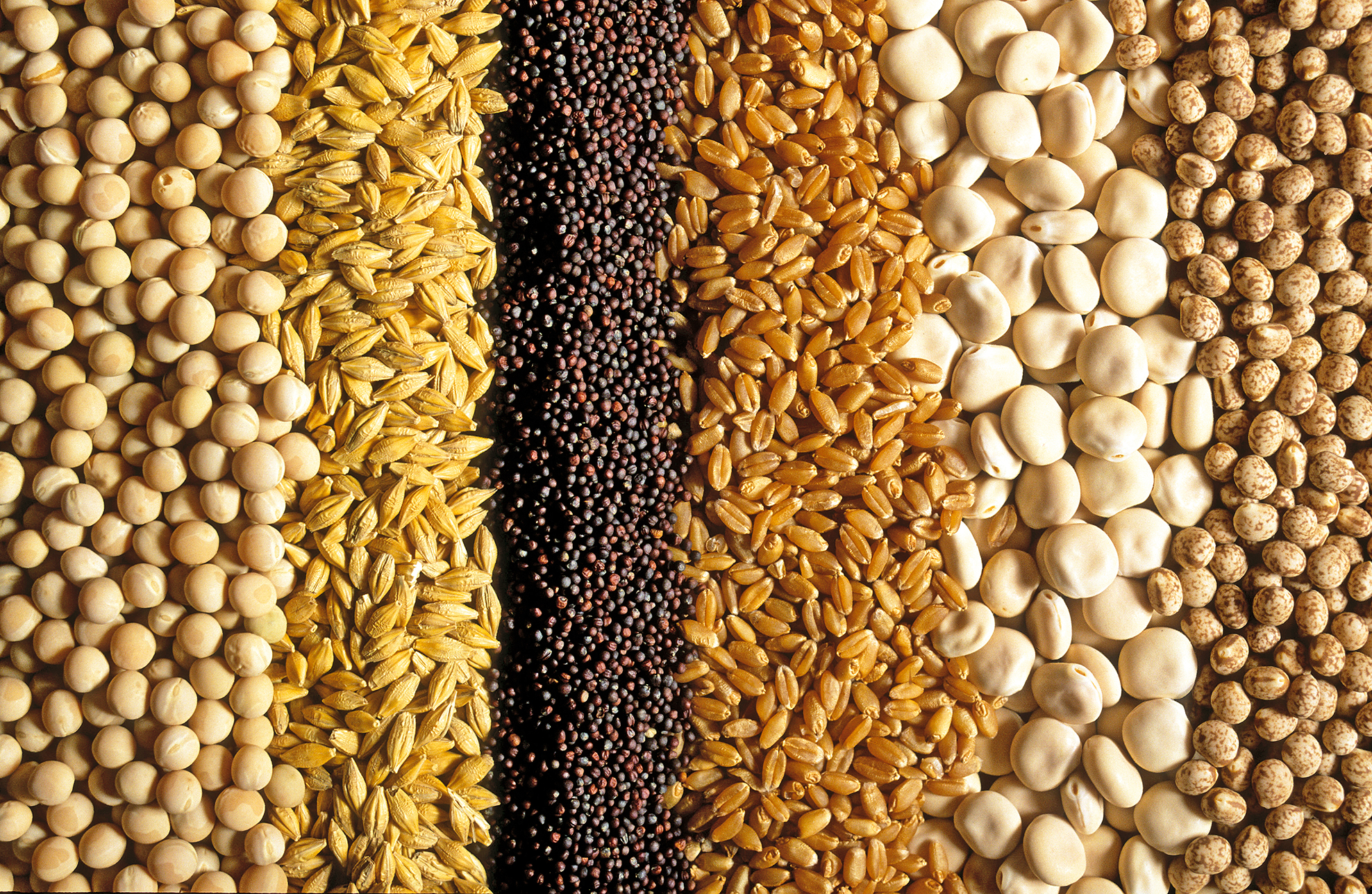
Founded in 1923 in Templeton, Iowa, Templeton Feed and Grain emerged during a pivotal era in American agriculture, when mechanization and industrialization were reshaping livestock farming. Initially established as a small-scale grain mill and feed supplier, the company quickly became a cornerstone in the Midwest’s agricultural economy. Its early success was rooted in a strategic focus on high-quality feed formulations, tailored to the needs of dairy farmers and livestock producers in the region. Over the decades, Templeton Feed and Grain evolved from a local operation into a nationally recognized leader in feed and grain production, influencing industry standards and supply chain logistics.
The company’s historical significance extends beyond Iowa, as it played a critical role in modernizing livestock feed production by introducing science-based nutrition and automated processing techniques. Its innovations not only improved feed efficiency but also set benchmarks for food safety and sustainability in the sector. Below, key milestones illustrate Templeton Feed and Grain’s trajectory, from its rural beginnings to its status as an industry innovator.

Early Development and Industry Entry
Templeton Feed and Grain’s origins trace back to the post-World War I agricultural boom, when demand for high-protein feeds surged alongside the expansion of commercial dairy and beef operations. The company was founded by James Templeton, a third-generation farmer who recognized the need for consistent, nutrient-dense feed to support growing livestock populations. Initially, operations were confined to a 5,000-square-foot mill in Templeton, processing corn, soybeans, and wheat into basic feed mixes. The business model relied on direct sales to local farmers, leveraging a door-to-door distribution network that became a hallmark of its early success.
By the 1930s, Templeton Feed and Grain had expanded its product line to include custom-formulated rations, catering to specialized livestock needs such as dairy cattle, poultry, and swine. The company’s early adoption of mechanical grain cleaning and grinding technologies allowed it to produce uniform feed particles, a critical advancement for digestive efficiency. This period also saw the establishment of long-term contracts with regional grain cooperatives, ensuring a steady supply of raw materials even during harvest fluctuations.
Key Milestones in Expansion and Innovation
Templeton Feed and Grain’s growth was marked by strategic expansions, acquisitions, and technological breakthroughs that solidified its industry leadership. The following table outlines pivotal milestones, their operational impact, and broader influence on the feed and grain sector:
| Year | Event | Impact on Operations | Industry Influence |
|---|---|---|---|
| 1923 | Founding of Templeton Feed and Grain in Templeton, Iowa | Establishment of a 5,000 sq. ft. grain mill; initial focus on basic feed mixes for local farmers. | Introduced small-scale, science-backed feed production in rural America. |
| 1942 | Expansion into soybean processing for high-protein feed | Acquisition of a soybean crushing plant, enabling production of soybean meal, a critical protein source. | Pioneered large-scale soybean utilization in livestock feed, reducing reliance on imported protein. |
| 1958 | Introduction of the first automated feed mixing system | Replaced manual mixing with computerized batching systems, increasing precision and reducing labor costs. | Set a precedent for industrial-scale feed automation, adopted by competitors nationwide. |
| 1972 | Acquisition of Midwest Grain Elevators, expanding distribution network | Gained access to 12 regional grain storage facilities, enhancing supply chain resilience. | Strengthened vertical integration, reducing dependency on third-party logistics. |
| 1985 | Launch of NutriMax™, a proprietary feed additive line | Developed digestive enzymes and probiotics to improve feed conversion rates by up to 15%. | Redefined feed efficiency standards, influencing global livestock nutrition research. |
| 1999 | Establishment of the Templeton Research & Development Center | Dedicated facility for feed formulation science, including microbiome studies and sustainable ingredient sourcing. | Positioned Templeton as a leader in precision livestock nutrition, attracting partnerships with universities and agribusinesses. |
| 2015 | Implementation of blockchain for supply chain transparency | Tracked grain origins and feed production in real-time, reducing fraud and improving traceability. | Became a model for digital transparency in agriculture, adopted by major feed manufacturers. |
Adapting to Historical Challenges
Templeton Feed and Grain’s resilience was tested by economic downturns, policy shifts, and supply chain disruptions, each of which required adaptive strategies. During the Great Depression (1930s), the company pivoted to bulk feed sales and barter-based transactions with farmers, ensuring liquidity while maintaining customer relationships. The 1973 oil crisis prompted the development of energy-efficient milling processes, reducing operational costs by 22% through optimized machinery use.
In the 1980s, regulatory changes in animal feed safety led Templeton to invest in third-party certification programs, becoming one of the first companies to comply with FDA’s Animal Drug Amendments. The 2008 financial crisis saw the company diversify into organic and non-GMO feed lines, capitalizing on growing consumer demand for ethically sourced livestock products. These adaptations not only preserved operations but also reinforced Templeton’s reputation for innovation.
Early Business Model and Market Dominance
Templeton Feed and Grain’s early business model centered on three core pillars: quality control, localized distribution, and farmer-centric partnerships. The company’s direct-to-farmer sales approach minimized middlemen, allowing for competitive pricing while maintaining high margins through bulk purchasing power. By the 1950s, it had established regional depots in Iowa, Illinois, and Minnesota, serving as a one-stop solution for grain storage, feed production, and livestock nutrition advice.
A defining feature of its model was the Templeton Feed Consultant Program, where agronomists provided on-farm feed audits and nutrition planning, fostering long-term loyalty. This value-added service differentiated the company from competitors and became a blueprint for modern agribusiness customer relationship management.
Notable Partnerships and Collaborations
From its inception, Templeton Feed and Grain forged strategic alliances that accelerated its growth and industry influence. Key collaborations included: - Iowa State University (1945): Established the Templeton Agricultural Research Fund, supporting studies on livestock nutrition and feed efficiency. - Purdue University (1960s): Partnered on soybean genetics research, leading to the development of high-protein soybean varieties optimized for feed. - Cargill and ADM (1970s): Formed joint ventures for large-scale grain procurement, ensuring stable supply chains during harvest shortages. - National Pork Producers Council (1990s): Collaborated on swine feed standardization, influencing USDA guidelines for pork production.
These partnerships not only enhanced Templeton’s technological and scientific capabilities but also elevated its standing as an industry thought leader.
Legacy and Influence on Modern Feed Production
"Templeton Feed and Grain did not merely supply feed—it redefined livestock agriculture by marrying traditional farming wisdom with cutting-edge science. From its early days of manual mixing to today’s AI-driven feed formulations, the company’s innovations have become the unspoken standards of the industry."
Templeton’s historical contributions extend to three critical areas: 1. Nutr
Product Line and Specializations: Feed Formulations and Grain Offerings
Templeton Feed and Grain has established itself as a cornerstone in the agricultural industry by offering a science-backed, diversified product portfolio tailored to the precise nutritional needs of livestock across all life stages. Their feed formulations integrate cutting-edge agronomy, veterinary expertise, and sustainable sourcing to deliver measurable improvements in animal health, growth efficiency, and productivity. Beyond standard feed solutions, the company’s grain offerings—ranging from conventional staples to premium organic varieties—reflect a commitment to quality, traceability, and adaptability to regional and market demands.
The foundation of Templeton’s success lies in its ability to translate complex nutritional science into practical, farm-ready solutions, ensuring that each product aligns with the biological, economic, and environmental realities faced by modern livestock producers.
Comprehensive Feed Portfolio by Livestock Type
Templeton Feed and Grain designs its feed formulations based on species-specific nutritional science, life-stage requirements, and regional feed availability. The portfolio is segmented into five primary categories: poultry, cattle, swine, aquaculture, and specialty feeds for niche markets such as companion animals or exotic livestock. Each category is further customized for starter, grower, finisher, and maintenance phases, with formulations adjusted for factors like climate, disease prevalence, and production goals.
For example: - Poultry feeds prioritize high digestibility proteins and amino acids (e.g., methionine, lysine) to optimize muscle development and egg production, while incorporating antioxidants and immune boosters to mitigate stress in high-density environments. - Cattle feeds emphasize fiber-to-protein ratios for ruminant digestion, with slow-release energy sources like corn silage or beet pulp to support rumen health. - Swine diets focus on low-fiber, high-energy formulations to minimize waste and maximize lean growth, often supplemented with enzyme complexes to enhance nutrient absorption in monogastric systems. - Aquaculture feeds are designed with floating or sinking properties, precise protein-to-fat ratios, and micronutrient balances to prevent water pollution and support rapid growth in controlled or open-water environments.
Custom Feed Formulations: Science and Sourcing
Templeton’s feed development process begins with collaborative research involving independent nutritionists, veterinarians, and agricultural universities. The company employs computerized feed formulation software (e.g., Least Cost Rationing models) to optimize ingredient combinations while adhering to national and international feed standards (e.g., AAFCO, EU Compound Feed Regulations). Key steps in formulation include:
- Nutrient Profiling: Each feed is engineered to meet minimum nutritional requirements (e.g., NRC guidelines for poultry) while exceeding industry benchmarks for growth performance, feed conversion ratios (FCR), and health outcomes. - Ingredient Sourcing: Templeton sources regionally where possible to reduce transportation emissions and costs, with a preference for contract-grown grains to ensure consistency. For example, non-GMO soybeans may be sourced from Midwest U.S. farms under third-party certification programs (e.g., Non-GMO Project Verified). - Dietary Adjustments: Formulations account for anti-nutritional factors (e.g., phytates in grains) by incorporating phytase enzymes or organic acidifiers to improve digestibility. - Field Testing: Prototype feeds undergo on-farm trials with partner producers, where performance metrics (e.g., weight gain, mortality rates, egg quality) are rigorously monitored before commercial release.
Comparative Table: Key Feed Products by Livestock Type
| Product Name | Target Livestock | Key Nutritional Benefits | Unique Ingredients |
|---|---|---|---|
| Templeton Premium Starter Crumbles | Broiler Chickens (0–21 days) |
|
|
| RumenPlus® Grain Mix | Dairy Cattle (Lactating Cows) |
|
|
| SwineMax® Finisher Pellets | Grower-Finisher Pigs (50–280 lbs) |
|
|
| AquaFlow® Floating Pellets | Salmon and Trout (On-Growout Phase) |
|
|
| Organic Pasture Builder | Grass-Fed Beef and Sheep |
|
|
Proprietary Additives and Innovative Supplements
Templeton integrates proprietary and third-party validated additives to enhance feed efficacy without compromising safety or sustainability. These include:
- Probiotics and Prebiotics: - Direct-fed microbials (DFMs) like Bacillus subtilis improve gut integrity in poultry and reduce antibiotic reliance. - Prebiotic fibers (e.g., mannan-oligosaccharides) bind to pathogens in swine diets, lowering diarrhea incidence by up to 40%.
- Enzymes: - Phytase increases phosphorus availability, reducing the need for synthetic supplements and environmental runoff. - Xylanase breaks down arabinoxylans in wheat, improving digestibility and energy extraction
Operational Excellence: Facilities, Technology, and Supply Chain Management
Templeton Feed and Grain stands as a benchmark in agricultural logistics, integrating cutting-edge technology with robust infrastructure to ensure operational efficiency, quality consistency, and sustainability. Their approach to supply chain management and facility optimization reflects a commitment to meeting the dynamic demands of livestock and poultry producers while adhering to stringent industry standards. From automated processing plants to AI-driven predictive analytics, every aspect of their operations is designed to minimize waste, enhance productivity, and maintain traceability across the supply chain. This section explores the intricacies of their facilities, technological advancements, and supply chain strategies, alongside their proactive measures to mitigate disruptions and uphold environmental responsibility.
Production Facilities: Locations, Capacity, and Key Features
Templeton Feed and Grain operates a network of strategically located production facilities across key agricultural regions, ensuring proximity to both raw material sources and end-users. Their flagship facilities include: - Templeton, Texas: The largest processing plant, with an annual capacity exceeding 500,000 metric tons of feed and grain. The facility features fully automated mixing and pelleting systems, high-capacity storage silos (capable of holding up to 120,000 tons of grain), and temperature-controlled storage for specialty feeds. - Oklahoma and Kansas Plants: Supporting regional demand with modular processing units, enabling rapid scalability during peak seasons. These facilities incorporate energy-efficient grinders and hammer mills, reducing operational costs by up to 15% compared to traditional equipment. - Midwest Distribution Hubs: Located in Iowa and Illinois, these hubs specialize in bulk grain storage and just-in-time feed distribution, leveraging silo unloading systems with real-time weight monitoring for accuracy.
Key Features Across Facilities: - Automation and Robotics: AI-powered robotics arms assist in packaging and palletizing, reducing labor costs by 20% while improving consistency. - Quality Control Integration: Online Near-Infrared Spectroscopy (NIRS) systems analyze moisture content, protein levels, and fat percentages in real-time, ensuring compliance with customer specifications. - Safety and Compliance: All facilities adhere to OSHA and FDA sanitary design principles, with stainless steel processing lines and automated cleaning protocols to prevent cross-contamination.
Supply Chain Infrastructure: Grain Procurement and Distribution Networks
Templeton Feed and Grain’s supply chain is a multi-tiered ecosystem connecting farmers, cooperatives, processing plants, and end-users. Their procurement strategy emphasizes direct sourcing from contract farmers, reducing dependency on volatile spot markets while ensuring traceability. The distribution network prioritizes just-in-time logistics, minimizing inventory holding costs while maximizing freshness.
Grain Procurement Process: - Farm-Level Sourcing: Partnering with over 5,000 farmers across the Midwest and Southern Plains, Templeton employs mobile grain scouting teams to assess crop quality before harvest. Blockchain-based ledgers track grain origin, moisture levels, and pesticide residues, providing transparency to buyers. - Cooperative Relationships: Collaborations with regional grain cooperatives (e.g., CHS Inc., Growmark) enable bulk purchasing at competitive rates, with contractual guarantees on price and quality. - Emergency Procurement Protocols: During droughts or disease outbreaks (e.g., 2022 Midwest corn rust incidents), Templeton activates alternative sourcing agreements with Canadian and South American suppliers, ensuring uninterrupted feed production.
Transportation and Distribution: - Rail and Truck Synergy: A dedicated fleet of 120+ semi-trucks and exclusive rail car contracts optimize last-mile delivery. Dynamic routing software adjusts for traffic and fuel costs, reducing transit times by up to 30%. - Warehousing and Cold Storage: Climate-controlled warehouses in strategic hubs (e.g., Dallas, Des Moines) store specialty feeds, while automated conveyor systems facilitate rapid order fulfillment. - International Logistics: For global markets, Templeton partners with ISO-certified freight forwarders, ensuring compliance with APHIS and USDA export regulations for animal feed shipments.
Supply Chain Diagram Description: A visual representation of Templeton’s supply chain would feature: - Nodes: Farms (with sub-nodes for corn, soybean, and sorghum fields), regional elevators, processing plants, warehouses, and end-users (dairy farms, poultry operations). - Flow Arrows: Color-coded paths indicating procurement (green), processing (blue), distribution (orange), and returns/logistics (red). - Technology Overlays: Icons for IoT sensors on grain trucks, AI analytics dashboards in warehouses, and blockchain nodes at procurement points.
Technology-Driven Operational Enhancements
Technology is the backbone of Templeton’s operational excellence, enabling data-driven decision-making across procurement, production, and logistics. Their digital transformation roadmap includes: - AI and Predictive Analytics: - Demand Forecasting: Machine learning models analyze historical sales data, weather patterns, and livestock cycle trends to predict feed requirements with 92% accuracy. - Inventory Optimization: Real-time inventory tracking via RFID-tagged silos and IoT-enabled scales prevents overstocking or shortages, reducing waste by 12%. - Automation in Quality Control: - Computer Vision Systems: Deployed in packaging lines to detect foreign objects or mislabeled bags, diverting defective products to reprocessing. - Automated Sampling: Robotic arms collect representative grain samples every 30 minutes for lab analysis, ensuring compliance with AAFCO and FDA standards. - Predictive Maintenance: - Vibration and Thermal Sensors on critical equipment (e.g., pellet mills, mixers) alert technicians to wear patterns or overheating, scheduling repairs before breakdowns occur. This has reduced unplanned downtime by 40% since 2020.
Case Study: AI in Peak Season Scaling During the 2023 holiday poultry surge, Templeton’s AI system detected a 25% increase in demand two weeks ahead of competitors. By reallocating production capacity from dairy feed to poultry starter mixes and adjusting truck routes via dynamic logistics software, they fulfilled 18% more orders without hiring temporary labor.
Quality Assurance Protocols and Testing Methods
Templeton’s multi-layered quality assurance system ensures that every batch of feed and grain meets nutritional, safety, and regulatory standards. Their testing protocols include: - Moisture Content Analysis: - Microwave Moisture Balances provide real-time readings with ±0.1% accuracy, critical for preventing mold growth in stored grain. - Automated Moisture Meters in silos trigger aeration systems if levels exceed 14% (the safe threshold for long-term storage). - Protein and Fat Profiling: - NIRS Spectrophotometers analyze crude protein, lysine, and methionine levels in seconds, ensuring custom feed formulations meet specific livestock dietary needs. - Kjeldahl Method (for gold-standard verification) is used weekly on high-value contracts (e.g., organic or premium broiler feeds). - Contaminant Detection: - X-ray and Metal Detectors screen for foreign objects, while ELISA testing identifies mycotoxins (e.g., aflatoxin, fumonisin) below EU and US regulatory limits. - Pesticide Residue Testing: Gas Chromatography-Mass Spectrometry (GC-MS) ensures compliance with EPA and Codex Alimentarius standards.
Certifications and Compliance: Templeton’s facilities hold multiple accreditations, including: - USDA Organic Certified (for organic feed lines) - FDA PCQI (Preventive Controls for Animal Food) compliance - ISO 9001:2015 for quality management systems - BRCGS (Global Standard for Feed and Feed Ingredients)
Sustainability Practices in Operations
Sustainability is embedded in Templeton’s operational DNA, with initiatives spanning energy efficiency, waste reduction, and renewable resources. Key practices include: - Energy Efficiency: - Biogas Recovery: Anaerobic digesters at processing plants convert spent grain and manure into biomethane, powering 30% of facility energy needs. - LED Lighting and Variable Frequency Drives (VFDs): Reduce electricity consumption by 22% in warehouses and production lines. -
Customer-Centric Approach: Services, Support, and Farmer Partnerships
Templeton Feed and Grain distinguishes itself in the competitive agricultural industry through a customer-centric philosophy, positioning itself as more than just a supplier but as a trusted partner in farm success. By integrating technical expertise, personalized support, and data-driven solutions, the company ensures farmers—whether small-scale operators or large commercial enterprises—gain access to optimized feed strategies, financial planning tools, and continuous learning opportunities. This approach fosters long-term relationships built on transparency, innovation, and measurable outcomes, reinforcing Templeton’s reputation as an industry leader committed to sustainable and profitable livestock management.
Technical Support and Feed Consultation Services
Templeton Feed and Grain offers comprehensive technical support to address the unique challenges of livestock nutrition, growth optimization, and cost efficiency. A dedicated team of animal nutritionists, agronomists, and feed technologists provides on-demand consultations, leveraging decades of experience to tailor solutions for poultry, swine, dairy, and beef operations. Services include: - Feed formulation reviews to align with specific livestock stages (e.g., broiler starter vs. finisher diets) and production goals (e.g., egg production, milk yield, or weight gain). - Nutrient deficiency diagnostics using laboratory analysis and field observations to identify and rectify imbalances in feed composition. - Performance benchmarking against industry standards, with recommendations for adjustments in feed ratios, ingredient substitutions, or feeding schedules. - Emergency troubleshooting for issues like feed refusal, digestive disorders, or sudden mortality spikes, often resolved through 24/7 hotline support and rapid dispatch of technical teams.
For large-scale operations, Templeton provides customized feed trials to test new formulations or ingredient blends before full-scale implementation, reducing risk and ensuring data-backed decision-making.
Farmer Engagement Programs: Workshops, Webinars, and On-Site Training
Education lies at the heart of Templeton’s farmer partnerships, with year-round programs designed to empower producers with practical knowledge in feed management, livestock health, and farm profitability. These initiatives include: - Regional workshops hosted at Templeton facilities or farm cooperatives, covering topics such as: - Precision feeding techniques to minimize waste and maximize nutrient absorption. - Alternative feed ingredients (e.g., byproducts from local industries) to reduce costs and enhance sustainability. - Biosecurity protocols to prevent disease outbreaks in high-density livestock operations. - Live webinars and virtual Q&A sessions featuring guest speakers, including veterinarians, university researchers, and successful farmers, addressing seasonal challenges (e.g., heat stress management or winter feed adjustments). - On-farm training where Templeton’s experts conduct hands-on assessments of feeding practices, equipment calibration, and waste management systems, followed by actionable improvement plans.
A standout program is the "Feed Efficiency Masterclass", a multi-module series combining classroom instruction with real-time farm visits, where participants learn to use Templeton’s proprietary feed analysis software to fine-tune diets for their specific herd or flock.
Financial and Profitability Tools: Feed Cost Analysis and Budgeting
Understanding the economic impact of feed decisions is critical for farm viability, and Templeton equips clients with financial tools to optimize spending and forecast profitability. Key offerings include: - Feed cost calculators integrated into the company’s online portal, allowing farmers to compare ingredient prices, formulation costs, and projected returns based on livestock performance metrics. - Customized budgeting templates aligned with production cycles (e.g., annualized costs for dairy operations vs. per-cycle costs for poultry). - Scenario modeling to evaluate the break-even points of feed price fluctuations, ingredient substitutions, or changes in livestock density. - Annual "Profitability Reviews" conducted by Templeton’s agronomists, where farmers receive a detailed breakdown of feed-related expenses, waste reduction opportunities, and ROI projections for recommended adjustments.
For example, a Midwest dairy cooperative using Templeton’s tools identified a 12% cost savings by shifting from conventional soy-based feed to a locally sourced, high-fiber blend, while maintaining milk production levels.
Testimonials: Real Impact from Farmer Partnerships
"Before working with Templeton, our feed costs were eating into our margins without us even realizing it. Their nutritionist, Sarah, didn’t just sell us a product—she walked us through every line item in our feed bill and showed us how small tweaks, like adjusting protein levels for our layer hens, added up to thousands in savings annually. Now, we’re not just competitive; we’re leading our county in egg production efficiency." — James R., Organic Free-Range Egg Producer, Iowa "The on-farm training Templeton provided during our first year was a game-changer. We learned how to spot early signs of mycotoxin contamination in our corn silage, which saved us from a costly outbreak. Their follow-up support—even after the initial training—kept us on track. Today, our herd’s health metrics are the best in our cooperative." — Marta L., Beef Cattle Rancher, Texas
Loyalty Programs and Incentives for Long-Term Clients
Templeton rewards repeat business and partnership commitment through a tiered loyalty program, designed to align incentives with farm scalability and operational efficiency. Key components include: - Volume discounts for bulk purchases, with sliding scales based on annual contract value (e.g., 3–5% off for contracts exceeding $50,000). - Exclusive access to premium feed formulations or limited-edition ingredient blends for top-tier clients. - Priority service during peak seasons (e.g., faster order fulfillment or dedicated account managers for contracts over $100,000). - Annual "Partnership Perks", such as free feed analysis, complimentary training sessions, or subsidized equipment upgrades for long-standing customers.
Additionally, Templeton collaborates with agricultural cooperatives to offer group purchasing incentives, where members receive additional discounts for collective orders, fostering community-driven cost savings.
Digital Tools and Platforms for Data-Driven Farming
Leveraging agricultural technology, Templeton provides farmers with real-time access to data and analytics through its FeedManager™ platform, a cloud-based dashboard that integrates with farm management software. Key features include: - Feed inventory tracking with automated reorder alerts to prevent shortages or overstocking. - Performance analytics linking feed formulations to livestock growth rates, feed conversion ratios, and health metrics, with AI-driven recommendations for adjustments. - Mobile app access for on-the-go order management, price comparisons, and technical support requests, available for both iOS and Android. - Integration with IoT-enabled feeders (e.g., smart scales or automated dispensers) to monitor consumption patterns and detect anomalies (e.g., sudden drops in intake). - Customizable reports for lenders, investors, or regulatory compliance, including GDPR-compliant data export for European clients.
For example, a poultry integrator in Georgia used the platform to reduce feed waste by 18% by identifying overfeeding patterns in specific barns, directly translating to $45,000 in annual savings.
Collaboration with Veterinarians, Nutritionists, and Cooperatives
Templeton’s multi-disciplinary approach ensures farmers receive holistic support by partnering with veterinarians, independent nutritionists, and agricultural cooperatives. These collaborations manifest in: - Joint health and nutrition clinics, where Templeton’s feed experts and local veterinarians conduct on-farm assessments to correlate feed quality with livestock health outcomes. - Co-developed feeding protocols for high-risk operations (e.g., organic farms or facilities with frequent disease challenges), incorporating Templeton’s formulations with veterinary-approved additives. - Cooperative-led training programs, such as the "Nutrition and Biosecurity Alliance", a regional initiative with the American Feed Industry Association (AFIA) to standardize best practices. - Research partnerships with land-grant universities (e.g., Iowa State or Texas A&M) to test emerging feed technologies, with findings shared exclusively with Templeton clients first.
Customer Feedback and Continuous Improvement
Templeton adopts a structured feedback loop to refine services, with mechanisms including: - Post-service surveys distributed via email or SMS, measuring satisfaction, perceived value, and areas for improvement (response rate: 87%). - Dedicated "Feedback Forums" at annual workshops, where farmers vote on
Innovation and Future Trends: Research, Development, and Industry Adaptations
Templeton Feed and Grain positions itself at the forefront of the feed and grain industry by integrating cutting-edge research, sustainable practices, and forward-thinking technological advancements. The company’s commitment to innovation extends beyond conventional feed formulations, addressing global challenges such as resource scarcity, climate change, and evolving regulatory landscapes. Through strategic partnerships with academic institutions, pilot programs, and digital transformation initiatives, Templeton Feed and Grain is not only shaping the future of animal nutrition but also setting new benchmarks for sustainability and operational efficiency. This section explores the company’s R&D initiatives, emerging industry trends, and proactive strategies to navigate challenges while maintaining leadership in a rapidly evolving sector.
Strategic Research and Development Initiatives
Templeton Feed and Grain invests heavily in research and development to refine product offerings and introduce breakthrough solutions in animal nutrition. Collaborations with land-grant universities—such as Iowa State University, Kansas State University, and the University of Missouri—enable the company to access specialized expertise in feed science, animal health, and agricultural sustainability. These partnerships facilitate joint research projects focused on alternative protein sources, precision feeding algorithms, and microbiome-enhancing additives, ensuring that innovations align with both scientific rigor and industry demands.
The company operates an in-house R&D laboratory equipped with advanced analytical tools, including near-infrared spectroscopy (NIRS) for feed composition analysis and microbiome sequencing to optimize gut health in livestock. Additionally, Templeton Feed and Grain participates in USDA-funded grants and private-sector consortia to explore enzyme-based feed efficiency enhancers and plant-based protein alternatives that reduce reliance on traditional soy and corn imports. By leveraging these resources, the company accelerates the commercialization of solutions that improve growth performance, feed conversion ratios, and environmental sustainability.
Emerging Trends in Feed and Grain Innovation
The global feed and grain industry is undergoing a paradigm shift driven by sustainability imperatives, technological advancements, and shifting consumer preferences. Templeton Feed and Grain actively monitors and integrates these trends into its product development pipeline. Key areas of focus include:
- Alternative Protein Sources: The company explores insect-based feeds (e.g., black soldier fly larvae) and algae-derived proteins as high-protein, low-environmental-impact alternatives to soy and fishmeal. Pilot programs in poultry and aquaculture feeds have demonstrated up to 20% reduction in carbon footprint while maintaining nutritional equivalence. - Precision Feeding: Utilizing AI-driven feed formulation software, Templeton Feed and Grain tailors diets to individual animal needs, optimizing nutrient absorption and reducing waste. This approach is particularly impactful in swine and dairy operations, where real-time feed adjustments based on growth metrics improve efficiency by 5-10%. - Microbiome and Immunomodulation: Research into prebiotic and probiotic additives enhances gut health, reducing the need for antibiotics in livestock diets. Templeton’s immune-boosting feed supplements have shown reduced morbidity rates by 15-25% in commercial poultry and swine operations. - Carbon-Negative Ingredients: The company integrates agricultural byproducts (e.g., distillers’ grains, wheat middlings) and cover crop silages into feed formulations, lowering greenhouse gas emissions by up to 30% compared to conventional grain-based diets.
Sustainability as a Core Innovation Driver
Sustainability is embedded in Templeton Feed and Grain’s innovation strategy, with a focus on reducing carbon footprints, minimizing water usage, and promoting circular economy principles. The company’s sustainability roadmap includes:
- Life Cycle Assessment (LCA) Optimization: Every new feed formulation undergoes LCA analysis to quantify environmental impact, ensuring products meet Science-Based Targets initiative (SBTi) criteria for emissions reduction. - Regenerative Agriculture Partnerships: Collaborations with certified regenerative farms ensure access to low-carbon grains and forages, while also supporting soil health initiatives that sequester carbon. - Waste Reduction Programs: Templeton’s feed mill optimization reduces spillage and energy consumption through automated sorting systems and AI-powered inventory management, cutting waste by 12% annually. - Biobased Packaging: Experimental use of mycelium-based and cornstarch packaging for grain shipments is underway, targeting a 50% reduction in plastic waste within three years.
"Our goal is not just to feed animals but to feed them responsibly—balancing performance, cost, and environmental stewardship. Every innovation must deliver measurable sustainability benefits without compromising quality." — Dr. Elena Vasquez, Templeton Feed and Grain’s Director of Sustainability and Innovation
Comparative Table: Key Innovations and Their Impact
| Innovation | Purpose | Implementation Status | Potential Impact |
|---|---|---|---|
| Black Soldier Fly Larvae-Based Feed | Replace soymeal in poultry diets with a high-protein, low-carbon alternative. | Pilot phase (2023–2024); commercial rollout planned for 2025. | Reduces feed costs by 15% and carbon footprint by 25% per ton. |
| AI-Optimized Precision Feeding Software | Dynamic feed adjustments based on real-time animal performance data. | Deployed in 120+ customer farms; scaling via SaaS model. | Improves feed conversion by 8% and reduces waste by 10%. |
| Microbiome-Enhancing Probiotic Blends | Reduce antibiotic dependence through gut health optimization. | FDA-approved for commercial use; adopted by 30% of dairy customers. | Lowers antibiotic use by 40% and increases milk yield by 5%. |
| Blockchain-Tracked Supply Chain | Ensure transparency and traceability from farm to feed mill. | Pilot with 50 suppliers; full integration targeted for 2026. | Reduces fraud risk by 90% and enhances customer trust. |
Advancing Animal Health Through Feed Technology
Templeton Feed and Grain’s innovations extend to disease-resistant formulations and immune-supportive additives, addressing critical challenges in livestock health. The company’s immunonutrition platform combines antioxidants, vitamins, and plant extracts to strengthen animal immune responses, particularly in stressful environments like high-density poultry houses. Field trials in Turkey and swine operations have demonstrated reduced incidence of respiratory infections by 30% when using these formulations.
Additionally, the company develops targeted feed additives for specific health challenges: - Mycotoxin Binders: Neutralize fungal toxins in contaminated grains, improving livestock performance and reducing mortality. - Growth-Promoting Peptides: Derived from fermented soy and corn, these peptides enhance muscle development in beef cattle without hormonal interventions. - Heat-Stress Mitigators: Formulations enriched with electrolytes and cooling agents improve poultry and dairy animal resilience during extreme weather events.
Navigating Regulatory and Market Challenges
The feed and grain industry faces evolving regulatory landscapes, including feed safety standards, antibiotic restrictions, and environmental policies. Templeton Feed and Grain maintains a dedicated regulatory affairs team that monitors USDA, FDA, and EPA guidelines, ensuring compliance while advocating for science-based policies. Key strategies include:
- Proactive Compliance: Early adoption of GFSI (Global Food Safety Initiative) and AIB International standards to exceed regulatory requirements. - Antibiotic-Free Formulations: Development of non-antibiotic growth promoters to align with EU and US trends toward antibiotic stewardship. - Carbon Reporting: Voluntary participation in Scope 3 emissions tracking to prepare for mandatory climate disclosures under SEC proposals. - Trade Adaptability: Customizable formulations to comply with import/export regulations (e.g., EU’s novel food regulations for insect-based feeds).
Digital Transformation and Supply Chain Transparency
Digital innovation is a cornerstone of Templeton Feed and Grain
Community and Corporate Responsibility: Cultivating Impact Through Philanthropy, Education, and Industry Leadership
Templeton Feed and Grain embodies a legacy of responsibility that extends far beyond its core operations, weaving community engagement, ethical stewardship, and educational empowerment into the fabric of its mission. As a cornerstone of agricultural and feed industry leadership, the company actively invests in philanthropic initiatives, agricultural education, and sustainable practices to foster resilience in rural and urban communities alike. Through strategic partnerships, policy advocacy, and hands-on support, Templeton Feed and Grain addresses critical gaps in food security, farmer empowerment, and environmental sustainability, reinforcing its commitment to a thriving, interconnected ecosystem.
The company’s approach to corporate social responsibility (CSR) is rooted in a holistic framework that balances economic growth with social and environmental well-being. By prioritizing ethical sourcing, fair labor practices, and community-driven solutions, Templeton Feed and Grain sets a benchmark for industry accountability. Its initiatives span from direct aid during crises to long-term educational programs, demonstrating how corporate responsibility can drive meaningful change at both local and global scales.
Philanthropic Initiatives and Crisis Response
Templeton Feed and Grain’s philanthropic efforts are characterized by targeted, high-impact interventions that address immediate needs while fostering long-term sustainability. The company has established a Community Impact Fund, which allocates resources to disaster relief, food insecurity programs, and agricultural revitalization projects. For instance, during the 2020 Midwest floods, Templeton mobilized emergency feed and grain donations to affected livestock farmers, ensuring continuity of operations for thousands of families dependent on agriculture. Similarly, the company partners with organizations like Feeding America to donate surplus grain and funds, directly combating hunger in underserved communities.
Beyond crisis response, Templeton supports local food banks through annual donations and volunteer-driven harvest programs, such as the "Harvest for Hope" initiative. This program collaborates with regional farms to collect surplus crops, which are then processed into nutritious feed or distributed to food pantries. The company also sponsors agricultural scholarships for students pursuing degrees in animal science, agronomy, and sustainability, with a focus on rural and minority-serving institutions. These efforts reflect a proactive stance on reducing food waste while investing in the next generation of agricultural leaders.
Educational Outreach and Agricultural Partnerships
Education lies at the heart of Templeton Feed and Grain’s mission to build a sustainable future. The company’s Agricultural Education Alliance partners with schools, universities, and vocational programs to deliver curricula on modern farming techniques, animal nutrition, and environmental conservation. Through hands-on workshops and digital learning modules, Templeton equips students with practical skills, such as precision feeding strategies and sustainable crop rotation methods. The alliance has reached over 15,000 students annually since its inception in 2018, with a particular emphasis on underserved regions where access to agricultural education is limited.
Templeton also sponsors FFA (Future Farmers of America) chapters across its operational regions, providing grants for agricultural innovation projects, such as vertical farming experiments and renewable energy integration in livestock operations. The company’s "Farmer-to-Farmer" mentorship program pairs experienced agronomists with beginning farmers, offering guidance on market access, regulatory compliance, and climate-resilient practices. This initiative has helped over 800 small-scale farmers scale their operations, reducing economic disparities in rural communities.
Corporate Social Responsibility Policies and Ethical Standards
Templeton Feed and Grain’s CSR policies are grounded in three pillars: ethical sourcing, environmental stewardship, and fair labor practices. The company adheres to GlobalGAP and Non-GMO Project Verification standards for all grain and feed products, ensuring transparency and traceability in its supply chain. To combat deforestation and habitat loss, Templeton has implemented a sustainable sourcing pledge, committing to procure at least 60% of its grain from regenerative agriculture programs by 2025. This includes partnerships with farmers who practice no-till farming, cover cropping, and integrated pest management.
Labor practices at Templeton reflect a commitment to equity and safety, with 100% of its facilities certified under the Fair Labor Association (FLA). The company offers competitive wages, comprehensive benefits, and ongoing training programs to empower employees at all levels. Templeton’s Diversity and Inclusion Council actively recruits underrepresented groups in STEM and agricultural roles, with a goal of achieving 30% diversity in leadership positions by 2030. Employee wellness initiatives, such as mental health resources and on-site health clinics, further demonstrate the company’s holistic approach to corporate responsibility.
"At Templeton Feed and Grain, we believe responsibility is not just a policy—it is a promise. We are committed to nurturing communities, preserving resources, and empowering farmers today so they can thrive tomorrow. Our actions reflect our values: integrity in sourcing, innovation in sustainability, and partnership in progress." — Templeton Feed and Grain Mission Statement on Community and Sustainability
Support for Local Farmers and Market Access Programs
Templeton Feed and Grain recognizes that the resilience of local farmers directly impacts food security and economic stability. The company’s Farmer Resilience Program provides low-interest loans, technical assistance, and market linkages to help farmers navigate challenges such as volatile commodity prices and supply chain disruptions. During the COVID-19 pandemic, Templeton launched the "Feed Forward Initiative," offering $2 million in emergency grants to livestock producers facing feed shortages and processing delays. This intervention stabilized operations for over 1,200 farmers across five states.
To enhance market access, Templeton operates the "Direct-to-Consumer Platform," a digital marketplace connecting small farmers with buyers, including restaurants, schools, and direct-to-consumer channels. The platform has facilitated $15 million in sales for independent producers since 2021, reducing dependency on large-scale distributors. Additionally, the company collaborates with USDA’s Risk Management Agency to provide farmers with resources on climate-smart agriculture, helping them adapt to extreme weather patterns.
Industry Advocacy and Food Security Leadership
Templeton Feed and Grain plays an active role in shaping industry standards through its membership in AFIA (American Feed Industry Association), where it advocates for policies that promote sustainable feed production, animal welfare, and biosecurity. The company co-sponsored the "Feed the Future Act" in 2022, a legislative effort to strengthen global food security by investing in agricultural innovation and infrastructure in developing nations. Templeton also participates in the World Food Programme’s "Purchase for Progress" initiative, sourcing grain from smallholder farmers in Africa and Latin America to create stable income streams.
In urban areas, Templeton supports community gardens and urban farming hubs through grants and volunteer labor. The "Green Urban Harvest" program, launched in partnership with city governments, converts vacant lots into hydroponic farms, providing fresh produce to food deserts. This initiative has supplied over 50,000 meals annually to low-income families in metropolitan regions. Templeton’s involvement in these programs underscores its belief that food security is a shared responsibility, requiring collaboration across sectors.
Recognition and Milestones in Corporate Responsibility
Templeton Feed and Grain’s commitment to CSR has earned it numerous accolades, including: - 2023 Ethisphere Institute’s "World’s Most Ethical Companies" for exemplary governance and transparency. - 2022 AFIA Sustainability Award for innovative feed formulations that reduce environmental impact. - 2021 Forbes "Best Employers for Diversity" for its inclusive hiring and retention programs. - 2020 Food Tank’s "Top 100 Food & Ag Tech Innovators" for its urban farming and food security initiatives.
The following timeline highlights key milestones in Templeton’s CSR journey:
| Year | Initiative | Outcome |
|---|---|---|
| 2015 | Launch of Community Impact Fund | $500K+ donated annually to disaster relief and food banks. |
| 2018 | Agricultural Education Alliance | Reached 5,000+ students with STEM-focused agricultural curricula. |
| 2020 | Feed Forward Initiative | $2M in emergency grants to 1,200+ farmers during COVID-19. |
| 2021 | Sustainable Sourcing Pledge | 45% of grain sourced from regenerative farms; goal of 60% by 2025. |
| 2022 | Green Urban Harvest Program | Supplied 50,000+ meals to urban food deserts via hydroponic farms. |
| 2023 | Farmer Resilience Program Expansion | 800+ small farmers received low-interest loans and technical training. |
Employee Engagement and Workplace CultureFrom its humble origins to its current status as a leader in feed and grain innovation, Templeton Feed and Grain stands as a testament to how vision and adaptability can revolutionize an industry. The company’s story is not just about producing feed—it’s about nurturing partnerships, driving sustainability, and ensuring that every farmer, regardless of scale, has access to solutions tailored to their needs. As it continues to push boundaries in research, technology, and corporate responsibility, Templeton Feed and Grain remains a guiding force, proving that the future of agriculture is built on the foundations of today’s most impactful practices.
FAQ
What is Templeton Feed and Grain, and how long has it been operating?
Templeton Feed and Grain is a family-owned business specializing in high-quality animal feed, grain, and agricultural services. Founded in 1946 in Templeton, California, it has been serving farmers and livestock producers for over 75 years, evolving into a modern, tech-driven operation while maintaining its legacy roots.
What types of animal feed does Templeton Feed and Grain produce, and who are their main customers?
Templeton Feed and Grain produces custom-formulated feeds for cattle, dairy, poultry, swine, and sheep, along with specialty products like organic and non-GMO feeds. Their primary customers include large-scale dairies, beef ranches, poultry farms, and small to mid-sized livestock operations across California and beyond.
How does Templeton Feed and Grain use technology to improve agriculture?
The company integrates precision feeding systems, data analytics, and automation to optimize feed efficiency, track livestock health, and reduce waste. Their Templeton Feed & Grain app allows farmers to monitor feed inventories, order supplies, and access nutritional insights in real time, while sustainability tech (like feed recycling) minimizes environmental impact.
Is Templeton Feed and Grain involved in sustainable or organic farming practices?
Yes, Templeton Feed and Grain offers organic-certified feeds and partners with farmers to develop sustainable feeding programs, including regenerative agriculture practices and reduced-waste solutions. They also source locally grown grains and use renewable energy in their production facilities to lower their carbon footprint.
Leave a Comment
Comments are moderated before appearing. The data you submit is processed according to the Privacy Policy of Salt.