How can i write an address with global precision and accuracy
Table of Contents
- Understanding the Basics of Address Writing
- Fundamental Components of a Formal Address
- Address Formats Across Major Postal Systems
- Identifying and Correcting Common Mistakes in Address Writing
- Step-by-Step Guide to Writing a Formal Address
- Line-by-Line Breakdown for US-Style Addresses
- UK Address Format with Postcode Guidelines
- International Address Formatting for Non-Latin Scripts
- Visual Hierarchy Guide for Address Formatting
- Specialized Address Formats and Exceptions
- Post Office Box (P.O. Box) Addresses
- Formatting Apartment, Suite, or Unit Numbers
- Rural Routes, Highways, and General Delivery Addresses
- Addresses for Universities, Hospitals, and Large Institutions
- Foreign Addresses Without Standardized Systems
- Special Address Types and Formatting Rules
- Digital and Electronic Address Formatting: Adapting to Modern Communication Needs
- Email Signature Addresses: Balancing Professionalism and Practicality
- Online Forms and E-Commerce Address Fields: Field-Specific Requirements
- PDF and Scanned Letters: Ensuring Legibility for Digital and Print Use
- Social Media and Professional Networking Addresses: Privacy and Presentation
- Mobile Apps and Delivery Services: GPS-Friendly Address Details
- Cultural and Regional Address Writing Nuances
- Script Direction and Non-English Address Formatting
- Address Formats in Asian Countries
- European Address Variations and Postcode Systems
- Latin American Address Terminology and Structure
- Address-Specific Terms by Region
- Tools, Resources, and Best Practices for Accurate Address Writing
- Address Verification Tools: Free and Paid Solutions
- Generating Addresses Using Google Maps and GPS Tools
- Standardizing Addresses with Excel or Google Sheets Templates
- Common Address Errors and Correction Methods
- Proofreading Addresses for Accuracy
- Storing Addresses Digitally with Compliance
- Updating Addresses After Relocations
- Writing Addresses for Legal Documents
- International Address Lookup Tools and Diplomatic Addresses
Every misplaced comma or omitted detail can turn a simple letter into a lost opportunity—whether it’s a delayed shipment, a missed business deal, or a frustrated recipient. Writing an address correctly isn’t just about following rules; it’s about mastering a universal language that bridges cultures, postal systems, and digital platforms. From the structured precision of a USPS format to the intricate postcode systems of the UK or the landmark-based addresses in India, each region demands its own expertise. Whether you’re sending a personal letter, shipping goods internationally, or filling out an online form, the stakes of getting it wrong are higher than most realize.
The challenge lies in navigating a maze of formatting quirks, cultural nuances, and ever-evolving digital standards. A poorly written address doesn’t just reflect carelessness—it can expose gaps in communication, legal compliance, or even security risks. This guide dismantles the complexity, offering step-by-step breakdowns, real-world examples, and tools to ensure your addresses are not just legible but optimized for success. From military APO boxes to virtual mailboxes, rural routes to diplomatic consulates, we cover every scenario where precision matters most.
Understanding the Basics of Address Writing

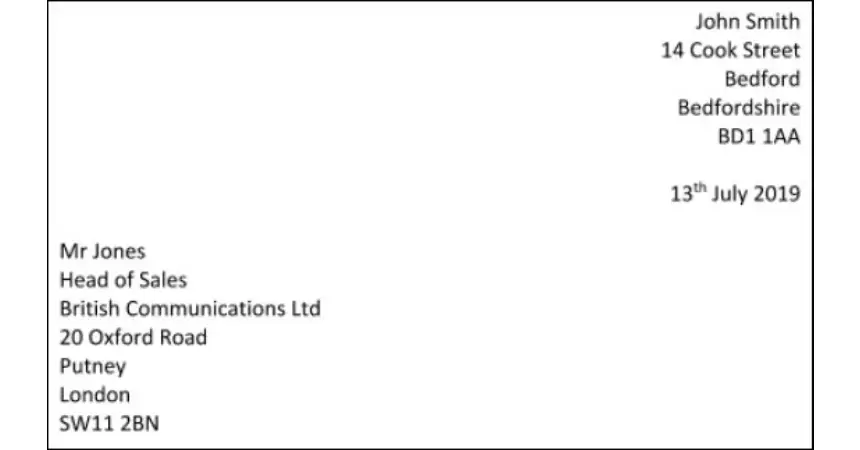
Address writing may seem straightforward, but precision in formatting and adherence to regional standards are critical to ensuring mail reaches its destination efficiently. A well-structured address includes key components such as the recipient’s name, sender details, and proper alignment, which vary depending on the country’s postal system. Errors in address formatting—whether due to missing punctuation, incorrect abbreviations, or misplaced lines—can lead to delays, misdeliveries, or returned mail. This section explores the foundational elements of formal address writing, comparing global standards and providing practical guidelines for accuracy.
Fundamental Components of a Formal Address

A formal address consists of three primary sections: recipient details, sender details, and structural formatting. Each section serves a distinct purpose in ensuring clarity and compliance with postal regulations.
- Recipient Details: This includes the name of the recipient, company name (if applicable), street address, city or town, state/province, postal code, and country (for international mail). For commercial addresses, additional details like suite or unit numbers may be required. - Sender Details: Typically placed below the recipient’s address, this section includes the sender’s name, return address, and contact information (optional but recommended). This ensures the mail can be returned if undeliverable. - Structural Formatting: Proper alignment, punctuation, and capitalization are essential. Addresses should be left-aligned, with each line clearly separated. Abbreviations must follow regional conventions (e.g., "St." in the US vs. "Street" in the UK).
Incorrect formatting can result in mail being flagged by postal systems for additional processing, increasing delivery time. For example, omitting a ZIP code in the US or a postcode in the UK may cause delays or misrouting.
Address Formats Across Major Postal Systems
Different countries enforce distinct address formats, reflecting their postal infrastructure and linguistic conventions. Below is a comparison of the USPS (United States), Royal Mail (UK), Canada Post, and Australia Post standards.
Address formatting varies significantly in terms of line order, punctuation, and required fields. For instance, the USPS prioritizes ZIP codes, while Royal Mail emphasizes postcodes as the primary sorting criterion. Canada Post and Australia Post follow similar structures but incorporate unique regional identifiers, such as provincial abbreviations or state names.
| Country | Key Components | Address Order | Example Format |
|---|---|---|---|
| United States (USPS) |
|
|
John Doe ABC Corporation 123 Main Street Apartment 4B New York, NY 10001 United States |
| United Kingdom (Royal Mail) |
|
|
Jane Smith XYZ Ltd 45 London Road Manchester M1 2AB United Kingdom |
| Canada (Canada Post) |
|
|
Marie Dubois DEF Enterprises 789 Rue Principale Apt 3C Montreal, QC H3A 1B2 Canada |
| Australia (Australia Post) |
|
|
David Wilson GHI Pty Ltd Unit 10, 56 Collins Street Melbourne, VIC 3000 Australia |
The table above illustrates how address order and required fields differ globally. For instance, the USPS requires ZIP codes to be placed after the city and state, whereas Royal Mail prioritizes postcodes at the end. Canada Post and Australia Post use provincial/state abbreviations and postal codes as critical identifiers.
Identifying and Correcting Common Mistakes in Address Writing
Errors in address formatting often stem from missing punctuation, incorrect abbreviations, or misplaced lines. Below are frequent mistakes and their corrections:
- Missing or Incorrect Punctuation: - Mistake: Omitting commas between city, state, and ZIP code (e.g., "New York NY 10001"). - Correction: Include commas (e.g., "New York, NY 10001").
- Incorrect Abbreviations: - Mistake: Using "St." instead of "Street" in the UK or "Ave." instead of "Avenue" in the US. - Correction: Follow regional standards (e.g., "Street" in the UK, "Ave." in the US).
- Misplaced Lines: - Mistake: Placing the recipient’s name below the street address. - Correction: Always list the name first, followed by the address.
- Incomplete Postal Codes: - Mistake: Writing "1000" instead of "10001" (US ZIP code). - Correction: Ensure full postal codes are included (e.g., "10001" for New York).
- Incorrect Capitalization: - Mistake: Using lowercase letters for street names (e.g., "main street"). - Correction: Capitalize the first letter of each word in street names (e.g., "Main Street").
A poorly written address can lead to significant consequences, as demonstrated below:
Example of a Poorly Written Address:
Mr. John Smith 12 Main St New York 1000 USA
Consequences:
Missing ZIP code (1000 is incomplete; correct format: 10001). No comma between city and state Step-by-Step Guide to Writing a Formal Address
Mastering the art of writing a formal address ensures your mail reaches the intended recipient accurately and efficiently. Address formatting varies significantly by country, purpose, and recipient type, from private individuals to military personnel or government agencies. This guide provides a structured breakdown of address writing, including regional formats, visual hierarchy rules, and specialized cases, supported by comparative tables and practical templates for real-world application.
Line-by-Line Breakdown for US-Style Addresses
The United States follows a standardized address format that prioritizes clarity and precision. Each line serves a distinct purpose, from the recipient’s name to the ZIP+4 code, ensuring postal services can process mail efficiently. Below is the ordered structure for a US address, with explanations for each component:
- Recipient’s Name Write the full name of the individual or business receiving the mail. For businesses, include the department or attention line (e.g., "Mr. John Doe" or "Accounting Department, ABC Corporation").
Example: Ms. Emily Rodriguez or Sales Team, Tech Innovations Inc.- Street Address Combine the house number, street name, and apartment/suite number (if applicable) on one line. Use abbreviations for street suffixes (e.g., St., Ave., Blvd.) but avoid periods after the abbreviation.
Example: 123 Main Street Apt 4B or 456 Oak Avenue Suite 200- City, State, and ZIP Code List the city on the next line, followed by the two-letter state abbreviation and five-digit ZIP code. For rural routes or military addresses, include additional details (e.g., "RR 1 Box 123" or "APO AE 09100").
Example: Springfield, IL 62704- ZIP+4 Code (Optional but Recommended) Add the optional four-digit extension to the ZIP code for precise delivery, separated by a hyphen. This is critical for large urban areas or businesses with multiple locations.
Example: Springfield, IL 62704-1234Key Notes for US Addresses:
Use uppercase letters for the state abbreviation (e.g., "NY" not "Ny"). Avoid punctuation (e.g., commas, periods) except for the ZIP+4 hyphen. For P.O. Box addresses, replace the street address line with the box number (e.g., P.O. Box 1001). UK Address Format with Postcode Guidelines
The UK address system emphasizes postcodes, a unique alphanumeric identifier that directs mail to specific geographic areas. The format follows a hierarchical structure, starting with the smallest unit (e.g., house number) and expanding to the postcode. Below is the line-by-line order for a UK address:
- Recipient’s Name Include the full name or business title. For companies, specify the department if necessary.
Example: Dr. Sarah Thompson or Customer Service, London Retail Ltd.- House Number and Building Name Write the house number and street name on the same line. If applicable, include the building name or apartment number before the street.
Example: 22B Oxford Street or Flat 3, The Tower Block- Locality or District Specify the town, city, or district name on the next line. Avoid abbreviations unless widely recognized.
Example: London- County (Optional for Urban Areas) Include the county name if mailing to a rural area or if required by the recipient. Omit for major cities like London.
Example: Greater London or Lancashire- Postcode The postcode is critical and must be written clearly. It consists of an outward code (e.g., "SW1A") and an inward code (e.g., "1AA"), separated by a space. For large organizations, include the postcode on the same line as the locality.
Example: SW1A 1AA or London SW1A 1AAPostcode Formatting Rules:
Uppercase all letters (e.g., "EC1A 1BB" not "ec1a 1bb"). No punctuation except the space between outward and inward codes. For Scottish addresses, include the postcode on the same line as the town (e.g., Edinburgh EH1 1AA). Irish addresses follow a similar structure but use the Irish postcode system (e.g., Dublin 2 D02 X567). International Address Formatting for Non-Latin Scripts
Addresses in countries using non-Latin scripts (e.g., Arabic, Chinese, Cyrillic) require adaptation to ensure readability and compatibility with global postal systems. The general rule is to transliterate the address into Latin characters while preserving the original script for local clarity. Below are guidelines for three major script systems:
- Arabic Script (e.g., Saudi Arabia, UAE)
- Write the recipient’s name in Arabic first, followed by the Latin transliteration.
- Use right-to-left alignment for the Arabic script and left-to-right for Latin characters.
- Include the postal code (e.g., "12345-6789") and city name in Latin.
Example: اسم المستلم: أحمد محمد Ahmed Mohamed بناية 12، شارع الملك عبدالعزيز Building 12, King Abdulaziz Street الرياض 12345، السعودية Riyadh 12345, Saudi Arabia- Chinese Script (e.g., China, Taiwan)
- Start with the recipient’s name in Chinese, followed by the Latinized version.
- Use Pinyin (Latin transliteration) for street names and cities.
- Include the postal code (e.g., "100000") and province/city in both scripts.
Example: 李伟先生 Mr. Li Wei 北京市海淀区中关村南大街4号 No. 4, Zhongguancun South Street, Haidian District 北京 100081, 中国 Beijing 100081, China- Cyrillic Script (e.g., Russia, Ukraine)
- Write the recipient’s name in Cyrillic, followed by the Latin transliteration.
- Use GOST standards for transliteration if required (e.g., "Москва" becomes "Moskva").
- Include the postal code (e.g., "123456") and region in both scripts.
Example: Иванов Иван Иванович Ivanov Ivan Ivanovich г. Москва, ул. Ленина, д. 15 Moscow, Lenin Street, 15 Москва 123456, Россия Moscow 123456, RussiaGeneral Rules for Non-Latin Addresses:
Prioritize the original script for local postal services. Use UTF-8 encoding for digital communication to preserve characters. Consult local postal guidelines (e.g., China Post, Saudi Post) for specific formatting rules. For digital forms, ensure fields support Unicode characters. Visual Hierarchy Guide for Address Formatting
A well-formatted address improves readability and reduces errors. Visual hierarchy involves alignment, punctuation, and spacing to create a clear, scannable layout. Below are key principles for structuring addresses:
- Left-Aligned Text All lines of an address should be flush-left, except for the postcode in some countries (e.g., UK postcodes are often centered or right-aligned in official documents). <
Specialized Address Formats and Exceptions
Address formatting extends beyond standard residential or commercial layouts, accommodating unique scenarios such as postal box services, institutional structures, and digital mail systems. Understanding these specialized formats ensures accuracy in delivery, particularly in systems where conventional rules may not apply—such as rural routes lacking street names or international addresses without standardized numbering. This section explores variations across global postal services, institutional hierarchies, and digital mail solutions, emphasizing precision to avoid misrouting or delivery failures.Post Office Box (P.O. Box) Addresses
P.O. Box addresses differ significantly between postal services, requiring adherence to specific formatting rules to ensure proper routing. The United States Postal Service (USPS) mandates that P.O. Box addresses follow a structured format: the box number is placed before the postal facility name, which includes the city, state, and ZIP code. For example: 1234 Main Street P.O. Box 5678 Anytown, CA 90210 In contrast, the Royal Mail (UK) places the P.O. Box number after the recipient’s name but before the town and postcode: John Doe P.O. Box 123 London, SW1A 1AA Other postal services, such as Canada Post, follow a hybrid approach: Jane Smith P.O. Box 456 Toronto, ON M5V 3L9 Key Variations:- USPS: Box number precedes the city/state/ZIP.
- Royal Mail: Box number follows the recipient’s name but precedes the town/postcode.
- Australia Post: Uses "PO Box" in uppercase with the box number first, followed by the suburb and postcode (e.g., PO BOX 1234 SYDNEY NSW 2000).
- Singapore Post: Requires "Postal Code" before the box number (e.g., 123456 POSTAL CODE 913400).
Best Practice: Always verify the specific postal service’s guidelines, as formats may evolve with policy updates.Formatting Apartment, Suite, or Unit Numbers
Apartment, suite, or unit numbers must be clearly integrated into an address to avoid misdelivery. Their placement varies by country and postal service conventions. In the U.S. and Canada, these identifiers typically follow the street name and precede the city/state/ZIP: 123 Main Street, Apt 4B Anytown, CA 90210 In Europe, particularly under Royal Mail, the unit number may be placed after the building name or street: Flat 3, 123 High Street London, SW1A 1AA For multi-unit complexes, some systems (e.g., Australia Post) may require additional descriptors: Unit 5, Level 2 123 Ocean View Drive Sydney, NSW 2000 Critical Placement Rules:- USPS: Use "Apt," "Unit," "Ste," or "Suite" followed by the number (e.g., Apt 5).
- Royal Mail: Omit abbreviations; use full terms like "Flat" or "Suite" (e.g., Suite 10).
- Japan Post: Unit numbers may be omitted if the building name suffices (e.g., Tokyo Midtown 1-1-2).
- Digital Systems: Some platforms (e.g., Google Maps) may auto-correct improper formatting, but manual entry requires precision.
Rural Routes, Highways, and General Delivery Addresses
Addresses in rural or underserved areas often lack traditional street names, relying instead on route numbers, highways, or general delivery (G.D.) designations. The USPS uses Rural Route (RR) or Highway Contract (HC) systems, where the route number replaces a street name: RR 1 Box 456 General Delivery Anytown, CA 90210 For Highway Contract (HC) routes, the format includes the highway name and contract number: HC 123, Box 789 Main Highway Anytown, CA 90210 General Delivery (G.D.) is used when no specific address exists: General Delivery Anytown, CA 90210 International Examples:- Canada Post: Uses "Route" or "Range" (e.g., Route 1, Box 123, Rural Municipality of XYZ).
- Australia Post: May use "Via" for unnumbered roads (e.g., Via Smithdale Road, G.D. Sydney, NSW 2000).
Key Considerations:- Always include "General Delivery" if no specific address exists.
- For mail-forwarding services, confirm with local postal authorities to avoid delays.
- Digital mapping tools (e.g., Google Maps) may not recognize rural routes; manual verification is essential.
Addresses for Universities, Hospitals, and Large Institutions
Institutional addresses require hierarchical clarity, often including department names, building numbers, and room identifiers. The U.S. typically formats these as: Department of Biology Building 10, Room 305 University of Anytown Anytown, CA 90210 For hospitals, the structure may emphasize the medical unit: Cardiology Department Main Hospital Building, Floor 4 City General Hospital Anytown, CA 90210 International Variations:- UK (NHS): Uses "Trust" or "Foundation" designations (e.g., Royal London Hospital, Barts Health NHS Trust, London E1 1BB).
- Germany: May include "Klinik" (clinic) and "Abteilung" (department) (e.g., Abteilung Innere Medizin, Charité Berlin 10117).
- Japan: Often omits room numbers, relying on building names (e.g., Tokyo University Hospital, 3-1 Hongo Bunkyo-ku).
Best Practices:- Use full department names unless the institution has a standardized abbreviation list.
- Include floor/room numbers for multi-building campuses.
- Verify with institutional mail services for proprietary formatting (e.g., Harvard University uses "Cambridge, MA 02138" for central mail).
Foreign Addresses Without Standardized Systems
Many countries lack street numbering or postal codes, relying instead on landmarks, districts, or village names. For example:- India: Uses "Near" or "Opposite" descriptors (e.g., Near Gandhi Statue, New Delhi-110001).
- Nigeria: May list "Behind" or "Inside" references (e.g., Behind ABC Market, Lagos).
- Rural China: Often relies on village and household names (e.g., Li Family Household, Dong Village, Beijing).
Key Adjustments:- Replace street numbers with landmark descriptions (e.g., "500 meters north of the mosque").
- Use local postal service guidelines (e.g., Japan Post may require "Chome" for blocks).
- Digital Tools: Services like Google Maps or What3Words can convert coordinates into addresses for unsystematic regions.
Example for Thailand: Mr. Smith House No. 12 (near Wat Arun) Thonburi, Bangkok 10600Special Address Types and Formatting Rules
Certain address types demand unique structures to ensure proper routing. Below is a table summarizing critical variations:
Address Type Formatting Rules Example (US/International) Key Considerations Military (APO/FPO/DPO)
- APO (Army Post Office): APO AE 09812 (for U.S. forces overseas).
- FPO (Fleet Post Office): FPO AA 34567 (Navy/Marines).
- DPO (Diplomatic Post Office): DPO AA 12345 (State Department).
- Include unit name if applicable (e.g., 1st Battalion, 8th Marines).
Sgt. John Doe 1st Battalion Digital and Electronic Address Formatting: Adapting to Modern Communication Needs
The evolution of digital communication has transformed how addresses are written, stored, and transmitted. Unlike traditional postal formats, digital address formatting prioritizes brevity, machine readability, and compatibility across platforms. Whether for email signatures, e-commerce checkouts, or mobile apps, understanding these nuances ensures accuracy, reduces errors, and enhances user experience. This section explores specialized formatting rules for digital environments, from social media profiles to virtual mailbox services, while addressing technical considerations like APIs and encoding standards.Email Signature Addresses: Balancing Professionalism and Practicality
Email signatures often include abbreviated addresses to maintain professionalism without clutter. Full postal addresses are unnecessary unless required by institutional policies (e.g., legal or government entities). Instead, prioritize key components such as:- Name (Full or preferred)
- Job title (if applicable)
- Company/organization (if relevant)
- City, State/Province, and Country (abbreviated where standard, e.g., "NY" for New York)
- Phone number (optional, formatted as `(XXX) XXX-XXXX` or `+[Country Code][Number]`)
Example: > Jane Doe > Marketing Director > TechSolutions Inc. > San Francisco, CA, USA > +1 (415) 555-0199 Special Cases:- International emails: Use ISO 3166-1 alpha-2 country codes (e.g., "JP" for Japan) and local address conventions (e.g., postal codes like "100-0001" in Japan).
- Avoid line breaks in signatures for mobile compatibility; use semicolons (`;`) or pipes (`|`) for separation where needed.
Online Forms and E-Commerce Address Fields: Field-Specific Requirements
Digital forms (e.g., checkout pages, shipping labels) often segment address fields into predefined inputs (e.g., "Street Address," "City," "ZIP/Postal Code"). Misalignment with these fields can cause submission errors. Key guidelines include:- Street Address: Use full, unabbreviated text (e.g., "123 Main St Apt 4B" instead of "123 Main St #4B").
- Apartment/Unit: Place in a dedicated field or append to the street address with a clear delimiter (e.g., "123 Main St, Unit 4B").
- City, State, ZIP: Follow local standards (e.g., "New York, NY 10001" for the U.S.; "London, SW1A 1AA" for the UK).
- Country: Use full names (e.g., "United States") or ISO codes (e.g., "US") if the field accepts abbreviations.
E-Commerce Best Practices:- Test autofill tools (e.g., Google’s Address Autofill) to ensure compatibility.
- Validate ZIP/postal codes against national databases (e.g., USPS for the U.S., Canada Post for Canada).
- Avoid special characters (e.g., `/`, `\`) unless required by local conventions (e.g., "Rue de la Paix" in French addresses).
PDF and Scanned Letters: Ensuring Legibility for Digital and Print Use
Addresses in PDFs or scanned documents must balance human readability with OCR (Optical Character Recognition) compatibility. Key strategies include:- Font and Size: Use standard fonts (Arial, Times New Roman) at 10pt or larger for clarity.
- Alignment: Left-align text for Western languages; right-align for Arabic or Hebrew (right-to-left scripts).
- Line Spacing: Single or 1.15 spacing to prevent OCR errors from compressed text.
- Special Characters: Replace symbols with plain-text equivalents (e.g., use "Avenue" instead of "Ave.") if OCR struggles.
- Color Contrast: Ensure dark text on light backgrounds (minimum 4.5:1 contrast ratio for accessibility).
Example for OCR Optimization: > Original: > 123 Main St., #4B > New York, NY 10001 > USA > > OCR-Friendly: > 123 Main Street, Apartment 4B > New York, New York 10001 > United StatesSocial Media and Professional Networking Addresses: Privacy and Presentation
Platforms like LinkedIn, Facebook, or Twitter may include addresses for business verification, location tagging, or contact details. Guidelines vary by platform:- LinkedIn:
- Company addresses are standard for business profiles.
- Personal addresses are optional but should exclude sensitive details (e.g., apartment numbers).
- Use city and country for location-based networking.
- Facebook:
- Current City field is public by default; restrict visibility via privacy settings.
- Avoid posting full street addresses unless necessary (e.g., for local business pages).
- Twitter/X:
- Location field is often used for geotagging tweets (e.g., "San Francisco, CA").
- Do not include street addresses unless for verified accounts (e.g., news organizations).
Privacy Considerations:- Never share personal addresses publicly unless required.
- Use generic terms (e.g., "Metro Area" instead of "123 Oak Ave") for anonymity.
- LinkedIn’s "Open to Work" feature may display city-level location data; adjust settings accordingly.
Comparison: Physical vs. Digital Address Formats
Feature Physical Address (Postal) Digital Address (Email/Forms/Apps) Special Considerations Character Limit No strict limit; follows postal service guidelines (e.g., USPS allows up to 20 lines). Often restricted (e.g., 50–100 characters per field in forms, 255 chars total for email signatures). Digital forms may truncate or reject input exceeding limits. Special Characters Allowed (e.g., "#", "/", "&"), but may require clarification (e.g., "Apt 4B"). Restricted in some fields (e.g., ZIP codes may reject "/" or "\"). Use plain-text equivalents (e.g., "Apartment" instead of "#"). Readability Designed for human interpretation; handwritten or printed clarity is key. Optimized for OCR, APIs, and autofill tools; machine parsing is prioritized. Test with OCR tools (e.g., Adobe Acrobat’s "Export Text") for scanned documents. Language/Encoding Follows local conventions (e.g., Japanese addresses use kanji + katakana). Requires UTF-8 encoding for non-Latin scripts (e.g., Arabic, Cyrillic). Use Unicode for international addresses (e.g., "上海市" for Shanghai). Mobile Apps and Delivery Services: GPS-Friendly Address Details
Apps like Uber, DoorDash, or Instacart rely on precise GPS coordinates and human-readable directions. Key formatting rules include:- Street Address: Include landmarks or cross streets (e.g., "Near Starbucks on 5th Ave").
- Apartment/Unit: Specify floor numbers (e.g., "4th floor, Unit 12B") if applicable.
- Delivery Instructions: Use clear, concise text (e.g., "Leave at front door" or "Behind the blue dumpster").
- GPS Coordinates: Some apps (e.g., Uber) allow manual entry of latitude/longitude for rural areas.
Example for DoorDash: > 123 Maple Avenue, Apartment 7 > Between 4th and 5th Street > San Francisco, CA 94107 > Delivery Note: Ring bell at apartment 7; package isCultural and Regional Address Writing Nuances
Address writing transcends universal standards, adapting to cultural, linguistic, and geographical contexts worldwide. Regional variations reflect historical influences, indigenous naming systems, and local administrative practices. Understanding these nuances ensures accurate delivery of mail, compliance with postal regulations, and respect for cultural specificity. From right-to-left scripts in Middle Eastern countries to landmark-based addresses in Asia, each region presents unique challenges and conventions. Below, explore how address formatting diverges across continents, from the structured postcodes of Europe to the rural geographical identifiers of Africa.Script Direction and Non-English Address Formatting
Address formatting in non-English-speaking countries often incorporates script direction, language-specific terms, and localized postal conventions. Right-to-left (RTL) scripts, such as Arabic, Hebrew, and Persian, require reversed address ordering to ensure legibility. For instance, in Arabic-speaking nations, the recipient’s name appears first, followed by the street, city, and country—mirrored horizontally for proper alignment. Key considerations for RTL scripts:- Name placement: Recipient’s name or business title appears at the top, often in bold or larger font.
- Street and building details: Written in reverse order (e.g., Building Name > Floor > Apartment > Street > City > Postal Code > Country).
- Postal codes: May include letters (e.g., 12345-6789 in Saudi Arabia) or alphanumeric sequences (e.g., 1234 AB in the Netherlands).
- Transliteration: Latin script may be used for international mail, but local script remains authoritative.
Example (Arabic address format): > اسم المستلم > بناية الفندق، الطابق 5، الشقة 10 > شارع الملك عبدالعزيز، الرياض 12345 > المملكة العربية السعودية Transliteration for international use: > Recipient Name > Hotel Building, Floor 5, Apartment 10 > King Abdulaziz Street, Riyadh 12345 > Kingdom of Saudi ArabiaAddress Formats in Asian Countries
Asian address systems often prioritize landmarks, districts, or administrative divisions over Western-style street numbers. Urban centers like Tokyo, Shanghai, or Mumbai may use a hybrid approach, blending modern numbering with traditional references. Rural or older districts frequently rely on natural features (rivers, temples) or familial associations for identification. Japan:- No street numbers in many areas; addresses use chōme (町目, "block") + banchi (番地, "lot number").
- Example: Tokyo 100-0001, Chiyoda-ku, Marunouchi 3-chōme 1-1 (Chiyoda Ward, Marunouchi Block 3, Lot 1-1).
- Landmark reliance: Buildings may be identified by proximity to stations (e.g., near Tokyo Station).
China:- Hierarchical structure: Province > City > District > Street > Building > Unit.
- Example: Beijing 100001, Dongcheng District, Chongwenmen Outer Street 100 (Postal code first, then administrative layers).
- Village/rural addresses: Often include natural landmarks (e.g., near the old banyan tree, Village X).
India:- Colonial influence: Street names in English, but local languages (Hindi, Tamil, Bengali) dominate official documents.
- Landmark-based: Common in older cities (e.g., beside the Ganges River, Varanasi).
- Postal codes: 6-digit alphanumeric (e.g., 110001 for New Delhi).
Indonesia:- RTL script for Javanese/Balinese addresses, but Latin script is standard for international mail.
- Example: Jl. Thamrin No. 1, Jakarta 10110 (Street name + number, city + postcode).
- Rural areas: Use desa (village) + subdistrict + regency (e.g., Desa Suka Makmur, Kecamatan Cibeunying, Kabupaten Bandung).
European Address Variations and Postcode Systems
Europe’s address formats reflect historical trade routes, colonial legacies, and modern standardization efforts. Postcode systems vary from numeric-only (Germany, Italy) to alphanumeric (UK, France), often tied to regional postal histories. Below are key regional distinctions: Germany:- 5-digit postal codes (e.g., 10115 Berlin), subdivided by postal district (e.g., 101 for central Berlin).
- Street naming conventions: Often include directional prefixes (e.g., Am Kurfürsten-damm vs. An der Kurfürsten-damm).
- Apartment numbering: Wohnung (Wohn.) followed by number (e.g., Wohn. 3).
United Kingdom:- Alphanumeric postcodes (e.g., SW1A 1AA), divided into outward (SW1A) and inward (1AA) codes.
- Flat/apartment designations: Flat 2 or 2nd Floor, Flat 3.
- Rural addresses: May include county names (e.g., Gloucestershire GL54 3QJ).
France:- 5-digit postal codes (e.g., 75001 Paris), with city names often omitted if the code is unique.
- Apartment designations: Étage (floor) + Appartement (e.g., 3ème étage, App. 12).
- Colonial influence: Overseas territories (e.g., Réunion 974xx) use extended formats.
Scandinavia:- Numeric postcodes (e.g., 100 22 Stockholm), with space-separated thousands.
- Apartment suffixes: Lgh (Lägenhet, Swedish) or Leilighet (Norwegian).
Latin American Address Terminology and Structure
Latin American addresses incorporate Spanish and Portuguese terms for neighborhoods, urban divisions, and property layouts. Key distinctions include:- Colonia/Urbanización: Neighborhood or planned development (e.g., Colonia Roma, CDMX).
- Manzana: City block (e.g., Manzana 5, Lote 3).
- Calle/Avenida: Street/Avenue (e.g., Avenida Reforma).
- Número Externo/Interno: External building number + internal unit (e.g., Ext. 20, Int. 5).
Brazil:- Postal codes: 8 digits (e.g., 01310-000 São Paulo).
- Terms: Rua (street), Avenida (avenue), Quadra (block), Lote (plot).
- Example: Rua Augusta, 2000 – 11º Andar, São Paulo – SP, 01310-000.
Mexico:- Delegación/Alcaldía: Administrative district (e.g., Cuauhtémoc, CDMX).
- Example: Calle de Tonalá 150, Colonia Juárez, Delegación Cuauhtémoc, 06600 CDMX.
Argentina:- Manzana/Lote: Block/Plot system (e.g., Manzana 1234, Lote 5).
- Postal codes: 4 digits (e.g., 1000 Buenos Aires).
Address-Specific Terms by Region
Regional terminology for apartments, buildings, and subdivisions varies significantly. Below is a comparative table of common address terms:
Region Term for Apartment/Unit Term for Building/Block Term for Neighborhood/Subdivision United States/Canada Apt./Unit/Ste. (Suite) Bldg./Building Neighborhood/District United Kingdom/Ireland Flat/Dept. (Department) Block/Building Estate/Neighborhood Germany/Austria Wohnung (Wohn.) Tools, Resources, and Best Practices for Accurate Address Writing
Ensuring an address is written correctly is critical for both personal and professional communication, reducing delays, returns, and potential legal complications. Leveraging specialized tools, digital resources, and systematic verification processes minimizes errors while optimizing delivery efficiency. This section explores essential tools for address validation, digital formatting techniques, error correction strategies, and compliance guidelines for secure storage and updates.Address Verification Tools: Free and Paid Solutions
Accurate address verification relies on tools designed to cross-reference inputted data with official postal databases. Free tools like USPS Address Validation (for U.S. addresses) and Royal Mail’s Postcode Finder (for UK addresses) provide real-time corrections, ensuring compliance with postal standards. Paid third-party APIs, such as Loqate, SmartyStreets, or Melissa Data, offer advanced features like geocoding, autocomplete suggestions, and batch processing for bulk mailings. These tools integrate seamlessly with CRM systems, e-commerce platforms, and shipping software, automating validation and reducing manual errors. For businesses or frequent users, investing in paid APIs may be cost-effective due to scalability, while free tools suffice for occasional or individual use. Always verify tool compatibility with local postal regulations to avoid discrepancies in address formats.Generating Addresses Using Google Maps and GPS Tools
Digital mapping platforms like Google Maps and GPS-enabled devices (e.g., smartphones or vehicle navigation systems) provide real-time address generation by pinpointing locations. To extract an accurate address: 1. Open Google Maps and search for the location. 2. Select the pinpointed address from the dropdown menu. 3. Copy the formatted address directly from the info box, which adheres to local postal standards. GPS tools in vehicles or mobile apps often display addresses in a standardized format, reducing ambiguity. However, always cross-check with official postal guidelines, as some regions may require additional details (e.g., unit numbers, building names).Standardizing Addresses with Excel or Google Sheets Templates
Bulk mailings or database management require consistent address formatting. Excel or Google Sheets templates can enforce uniformity by:- Using data validation dropdowns to restrict input to valid formats (e.g., ZIP codes, city names).
- Applying conditional formatting to highlight incomplete or incorrectly formatted entries.
- Leveraging VLOOKUP or INDEX-MATCH functions to auto-fill standardized address components from a reference table.
For example, a template might separate fields into columns (Street, City, State, ZIP) and auto-correct abbreviations (e.g., "St." instead of "Street"). Bulk exports from these tools can then be validated using address verification APIs before printing or mailing.Common Address Errors and Correction Methods
Even with verification tools, errors persist due to human input or formatting oversights. Below is a table outlining frequent mistakes and their fixes:
Error Type Example of Incorrect Address Correct Format Solution Missing Commas 123 Main St New York NY 10001 123 Main St, New York, NY 10001 Insert commas between street, city, and state fields. Incorrect Capitalization 123 main street, NEW YORK, NY 10001 123 Main Street, New York, NY 10001 Capitalize the first letter of each word except minor words (e.g., "and," "the"). Wrong Order of Fields New York, NY 10001, 123 Main St 123 Main St, New York, NY 10001 Follow the standard order: Street → City → State → ZIP. Ambiguous Suite/Unit Number 123 Main St Apt 4B 123 Main St, Apt 4B Separate suite/unit numbers with a comma and include "Apt," "Unit," or "Suite." Incorrect Postal Code Format 123 Main St, New York, NY 1000 1 123 Main St, New York, NY 10001 Remove spaces in ZIP/postal codes (e.g., "1000 1" → "10001"). Proofreading Addresses for Accuracy
Proofreading involves cross-referencing addresses with official postal service websites or verification tools to confirm legitimacy. Steps include:- Manual review: Compare the address against a known correct format (e.g., a previous invoice or utility bill).
- Recipient confirmation: For high-stakes mailings (e.g., legal documents), request the recipient to verify the address.
- Postal service lookup: Use tools like USPS Zip Code Lookup or Canada Post’s Address Finder to validate the address structure.
- Third-party validation: Submit addresses to APIs like SmartyStreets for real-time corrections, especially for international or rural addresses.
Storing Addresses Digitally with Compliance
Secure digital storage of addresses requires adherence to data protection laws such as GDPR (Europe), CCPA (California), or PIPEDA (Canada). Best practices include:- Encrypted databases: Use platforms like Salesforce, HubSpot, or custom SQL databases with end-to-end encryption.
- Access controls: Restrict database access to authorized personnel only, using role-based permissions.
- Regular audits: Conduct periodic reviews to ensure compliance and update outdated addresses.
- Anonymization: For archival purposes, strip personally identifiable information (PII) while retaining essential address components for business use.
Updating Addresses After Relocations
Relocations necessitate updating addresses across banks, subscriptions, government agencies, and employers. A systematic approach includes: 1. Notify financial institutions (banks, credit card companies) to update billing and mailing addresses. 2. Update subscriptions (magazines, streaming services) via account settings or customer support. 3. File a change of address with postal services (e.g., USPS, Royal Mail) to forward mail temporarily. 4. Inform government agencies (DMV, IRS, voter registration) to avoid legal or administrative issues. 5. Update professional networks (LinkedIn, employer HR systems) to maintain communication continuity.Writing Addresses for Legal Documents
Legal documents (e.g., contracts, court filings) demand precise address formatting to avoid rejection or delays. Key guidelines include:- Full legal name: Include middle names or suffixes (e.g., Jr., Sr.) if required by jurisdiction.
- Precise location details: Specify apartment numbers, building names, or landmarks (e.g., "Suite 400, The Empire Tower").
- Notary requirements: Some regions require addresses to be handwritten or witnessed for notarial signatures.
- Jurisdiction-specific rules: Check local court guidelines—for example, U.S. federal courts may require addresses to include county names for rural routes.
International Address Lookup Tools and Diplomatic Addresses
International addresses often follow unique formats, requiring specialized tools. Embassy or consulate websites (e.g., U.S. State Department) provide standardized formats for diplomatic mail. For general international addresses:- Tools: Use Google’s International Address Finder, Australia Post’s Address Finder, or Japan Post’s ZIP Code Search.
- Diplomatic mail: Addresses to embassies include the country name (e.g., "Embassy of the United States, Tokyo, Japan") and may require special postal services (e.g., diplomatic pouch).
- Regional nuances: Some countries (e.g., China, India) use alphanumeric postal codes or district-based addressing, necessitating local verification.
Top 5 Tips for Writing Foolproof Addresses: 1. Always verify with the recipient to confirm accuracy, especially for business or legal correspondence. 2. Use official postal service guidelines as the primary reference for formattingWriting an address isn’t just about ink on paper or pixels on a screen—it’s a critical skill that connects people, businesses, and systems across borders. Whether you’re a professional ensuring seamless logistics, a traveler navigating foreign postal systems, or simply someone who wants to avoid the frustration of lost mail, the key lies in attention to detail. By leveraging the right tools, understanding regional nuances, and adhering to global standards, you transform a mundane task into a foolproof process. The next time you pick up a pen—or tap on a digital form—remember: an address written with care is the first step toward reliable communication, no matter where it needs to go.
Leave a Comment
Comments are moderated before appearing. The data you submit is processed according to the Privacy Policy of Vetlife Archive.