Hmong Village St Paul Minnesota A Cultural Journey Through History and Identity
Table of Contents
- Historical Background of the Hmong Village in St. Paul, Minnesota
- Origins and the Secret War in Laos
- Timeline of Key Events in Hmong Migration to St. Paul
- Cultural and Political Factors Driving Settlement in St. Paul
- Comparative Analysis: Hmong Communities in St. Paul vs. Other U.S. Hubs
- Cultural Identity and Traditions in the Hmong Village of St. Paul, Minnesota
- Hmong Clothing, Jewelry, and Textiles: Symbolism and Modern Adaptations
- Rituals and Ceremonies: The Role of Shamans and Community Gatherings
- Hmong Language and Dialects: Preservation Through Innovation
- Adaptations of Hmong Traditions: St. Paul vs. Laos and Diaspora Communities
- Economic Contributions and Business Landscape of the Hmong Village in St. Paul, Minnesota
- Hmong Contributions to Local Industries and Workforce Statistics
- Key Hmong-Owned Businesses in St. Paul and Their Significance
- Success Stories of Hmong Entrepreneurs in St. Paul
- Challenges Faced by Hmong Businesses and Community Solutions
- Hmong Labor and Workforce Advocacy in St. Paul’s Industries
- Education and Community Organizations in Hmong Village, St. Paul, Minnesota
- Educational Challenges and Innovative Solutions for Hmong Students
- Key Community Organizations Supporting the Hmong Population in St. Paul
- Contributions of Hmong Elders and Leaders in Community Development
- Hmong-Focused Schools and Programs in St. Paul: A Comparative Overview
- Challenges and Social Issues in the Hmong Community of St. Paul, Minnesota
- Health Disparities Among Hmong Residents in St. Paul
- Crime and Safety Concerns in the Hmong Village
- Trauma from the Secret War and Its Lasting Impact
- Social Services and Resources for Hmong Families in St. Paul
- Language Tourism, Media, and Future Prospects of St. Paul’s Hmong Village St. Paul’s Hmong Village stands as a vibrant cultural hub where tradition meets modernity, offering visitors a glimpse into one of America’s most dynamic immigrant communities. Beyond its economic and social significance, the village has emerged as a destination for cultural tourism, media representation, and digital engagement. This section explores how outsiders can experience the Hmong community respectfully, the role of media in shaping its narrative, the impact of digital platforms on cultural preservation, and the future trajectory of the village amid urban development and generational change. Guide to Visiting the Hmong Village in St. Paul
- Hmong Culture in Media: Films, Documentaries, and Literature from St. Paul
- Social Media and Digital Platforms Preserving Hmong Culture in St. Paul
- Voices of Hmong Artists, Musicians, and Chefs in St. Paul
- Future Prospects: Urban Development, Cultural Preservation, and Generational Shifts
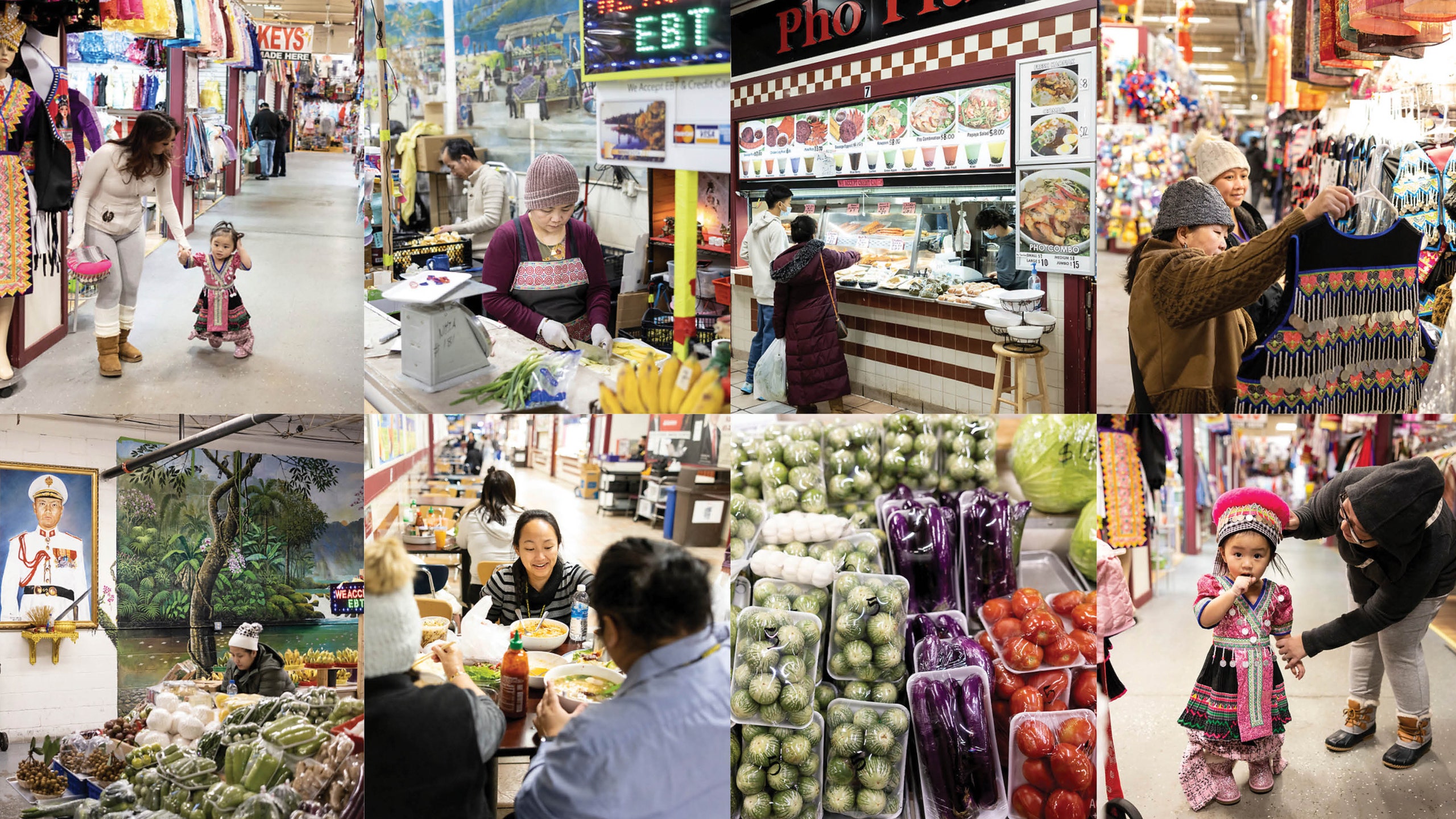
Nestled along the banks of the Mississippi River, St. Paul’s Hmong Village stands as a vibrant testament to resilience and cultural preservation. Since the late 1970s, waves of Hmong refugees fleeing the Secret War in Laos and the fall of Southeast Asia have transformed this Minnesota city into a global hub for Hmong diaspora communities. Their story is one of survival, adaptation, and the relentless effort to maintain traditions amid the challenges of displacement.
The village’s origins trace back to a painful yet pivotal chapter in modern history, where Hmong soldiers—once allies of the U.S. in Laos—became refugees after the communist takeover. St. Paul’s welcoming policies, coupled with existing Hmong networks, turned the city into a beacon for newcomers, fostering a community that now thrives through businesses, festivals, and institutions like the Hmong Village Shopping Center. Yet beneath the surface of its bustling markets and celebrations lies a complex narrative of trauma, economic struggles, and the delicate balance between preserving heritage and embracing a new homeland.

Historical Background of the Hmong Village in St. Paul, Minnesota

The Hmong Village in St. Paul, Minnesota, stands as a testament to resilience, cultural preservation, and the enduring spirit of a community displaced by war. Rooted in the turbulent history of Southeast Asia, the Hmong people’s migration to the United States—particularly their settlement in St. Paul—reflects a complex interplay of geopolitical conflicts, refugee resettlement efforts, and the adaptive strength of a diaspora community. Their journey began in the mountainous regions of Laos, Vietnam, and Thailand, where they played a pivotal role in the Secret War alongside U.S. forces during the Cold War era. The fall of Laos in 1975 and subsequent persecution under the communist Pathet Lao regime forced thousands of Hmong to flee as refugees, seeking safety and new beginnings in countries like the United States. Minnesota, and St. Paul in particular, emerged as a cultural and economic hub for Hmong immigrants, shaped by early waves of settlement, robust community networks, and the city’s inclusive policies. This history is marked by both hardship and triumph, as the Hmong community navigated language barriers, economic challenges, and cultural adaptation while establishing a vibrant enclave that remains a cornerstone of St. Paul’s multicultural identity.
Origins and the Secret War in Laos
The Hmong people’s migration to the United States is deeply intertwined with the Secret War in Laos (1955–1975), a covert conflict funded and supported by the CIA during the Vietnam War. The Hmong, an ethnic minority with a long history of animist traditions and resistance against external domination, allied with the U.S. to combat communist forces, particularly the Pathet Lao. Their guerrilla tactics and intimate knowledge of the terrain made them invaluable to American operations, earning them the nickname "Green Beret allies." However, the war’s secrecy left the Hmong vulnerable to abandonment after the U.S. withdrawal in 1975. The communist victory in Laos led to systematic persecution, including executions, forced labor, and the destruction of Hmong villages. An estimated 30,000 Hmong died in the immediate aftermath, while thousands more fled to refugee camps in Thailand, creating a humanitarian crisis that drew global attention.
The Secret War not only reshaped the Hmong way of life but also set the stage for their diaspora. Many Hmong soldiers, known as "General Vang Pao’s Army" after their leader, became refugees overnight. Their trauma and displacement would later define their experiences in resettlement countries, including the United States. The fall of Laos in 1975 marked the beginning of a decades-long exodus, with Hmong refugees seeking asylum in neighboring countries before eventual resettlement in the West. Minnesota, with its established Hmong community and welcoming policies, became a primary destination for those fleeing persecution.
Timeline of Key Events in Hmong Migration to St. Paul
The establishment of the Hmong Village in St. Paul was the result of a series of critical events spanning from the 1970s to the 1990s. Below is a chronological overview of the migration patterns and resettlement efforts that shaped the community:
- 1975: Fall of Laos and Refugee Crisis Following the communist takeover, Hmong refugees began fleeing to Thailand, where they were housed in camps such as Ban Vinai and Nong Khai. The U.S. and international agencies initiated resettlement programs, with Minnesota selected as one of the primary destinations due to its strong agricultural economy and existing ties to Southeast Asian communities.
- 1979: First Waves of Hmong Resettlement in Minnesota The Hmong Refugee Act of 1975 and subsequent policies allowed for the resettlement of Hmong refugees in the U.S. The first groups arrived in Minnesota, including St. Paul, where they were placed in temporary housing while learning English and adapting to American life. Early settlers often faced housing discrimination, as landlords and real estate agents directed them to specific neighborhoods, inadvertently laying the foundation for the Hmong Village.
- 1980s: Expansion of Hmong Communities in St. Paul During this decade, Minnesota became a magnet for Hmong immigrants due to its low-cost housing, job opportunities in manufacturing and agriculture, and existing Hmong networks. St. Paul, in particular, attracted Hmong families seeking proximity to urban amenities while maintaining cultural connections. The Hmong American Partnership (HAP) and other organizations were established to provide language classes, job training, and social services.
- 1990s: Consolidation and Cultural Preservation By the 1990s, the Hmong population in St. Paul had grown significantly, with the Hmong Village Shopping Center (opened in 1992) becoming a cultural and economic hub. This period also saw the rise of Hmong-owned businesses, such as restaurants, tailors, and markets, which catered to both the Hmong community and the broader public. The Hmong New Year celebrations, held annually in April, became a major event, drawing thousands and reinforcing cultural identity.
- 2000s–Present: Institutional Integration and Leadership The 21st century brought increased political representation, with Hmong Americans like Foung Hawj (first Hmong state senator in Minnesota) and Louise Wang (first Hmong woman elected to the Minnesota House of Representatives) breaking barriers. Organizations like the Hmong American Center and CAHFO (Community Action for Hmong Families & Opportunity) expanded their services, addressing issues such as healthcare access, education, and domestic violence within the community.
Cultural and Political Factors Driving Settlement in St. Paul
The concentration of the Hmong community in St. Paul was not accidental but the result of deliberate choices influenced by economic opportunities, existing social networks, and municipal policies. Several factors contributed to St. Paul’s emergence as a Hmong hub:
- Economic Opportunities in Manufacturing and Agriculture Minnesota’s thriving agricultural sector and manufacturing jobs (particularly in the Twin Cities metro area) provided immediate employment for Hmong refugees. Many found work in poultry processing plants, garment factories, and small farms, which required minimal English proficiency and offered flexible hours. St. Paul’s proximity to these industries made it an attractive destination.
- Existing Hmong Networks and Chain Migration The principle of chain migration played a crucial role in the growth of the Hmong Village. Early settlers sponsored relatives and friends from refugee camps, creating a self-sustaining cycle of migration. By the 1980s, word-of-mouth recommendations about St. Paul’s affordability, safety, and Hmong-friendly environment encouraged further waves of immigrants.
- Welcoming Municipal Policies and Social Services St. Paul’s progressive resettlement policies, including partnerships with organizations like CAHFO and the International Institute of Minnesota, provided critical support to new arrivals. The city’s diverse and inclusive culture also helped mitigate some of the challenges faced by refugees, such as language barriers and cultural isolation. Additionally, St. Paul’s public housing programs and English as a Second Language (ESL) initiatives were accessible to Hmong families.
- Cultural Retention and Community Building Unlike other Hmong settlements in the U.S., which often dispersed into broader Asian-American communities, St. Paul’s Hmong population maintained a geographic and cultural concentration. This was partly due to housing discrimination in the 1980s, which funneled Hmong families into specific neighborhoods, but also because of deliberate efforts to preserve Hmong traditions. The establishment of Hmong-owned businesses, language schools, and cultural organizations reinforced the village’s identity.
Comparative Analysis: Hmong Communities in St. Paul vs. Other U.S. Hubs
While St. Paul is one of the largest Hmong communities in the U.S., it shares similarities and differences with other major Hmong settlements, such as Fresno, CA; Minneapolis, MN; and Madison, WI. The table below compares key aspects of these communities, including demographics, economic contributions, and cultural retention:
| Aspect | St. Paul, MN | Fresno, CA | Minneapolis, MN | Madison, WI |
|---|
| Tradition | Laos (Traditional) | St. Paul, Minnesota | Other Diaspora (e.g., Wisconsin, California) | |||||||||||||||||||||||||||||||||||||||||||||||||||||||||||||
|---|---|---|---|---|---|---|---|---|---|---|---|---|---|---|---|---|---|---|---|---|---|---|---|---|---|---|---|---|---|---|---|---|---|---|---|---|---|---|---|---|---|---|---|---|---|---|---|---|---|---|---|---|---|---|---|---|---|---|---|---|---|---|---|---|
| Weddings | Multiday village celebrations with livestock exchanges; held in rural homes. | Shorter, urbanized events (1–3 days) with Christian elements; held in community halls or hotels (e.g., Hmong Village Banquet Hall). | Similar to St. Paul but with regional food specialties (e.g., Wisconsin cheese in Wisconsin Hmong weddings). | |||||||||||||||||||||||||||||||||||||||||||||||||||||||||||||
| Funeral Rites | Year-long ceremonies with daily offerings; shamans perform multiple spirit-calling sessions. | Condensed to 3–7 days due to work constraints; shamans adapt ceremonies for smaller spaces (e.g., Hmong Cultural Center). | ||||||||||||||||||||||||||||||||||||||||||||||||||||||||||||||
| Spirit Medium Ceremonies | Public gatherings in village squares; shamans use traditional gongs and herbal remedies. | Private or semi-public sessions in homes; incorporation of Western therapy techniques (e.g., acupuncture alongside spirit healing). | Hybrid ceremonies blending Buddhist elements (e.g., California’s Hmong-Buddhist temples). | |||||||||||||||||||||||||||||||||||||||||||||||||||||||||||||
| Clothing | Handwoven fabrics from local materials; paj ntaub designs strictly clan-based. | Commercial fabrics (e.g., polyester blends) used for paj ntaub; fusion designs for modern fashion (e.g., Hmong-Western hybrid outfits). | Similar adaptations, but California features more bold, contemporary embroidery styles. | |||||||||||||||||||||||||||||||||||||||||||||||||||||||||||||
| Language Use | Oral dominance; RPA introduced post-1950s but limited to liter
Economic Contributions and Business Landscape of the Hmong Village in St. Paul, MinnesotaThe Hmong community in St. Paul has become a cornerstone of the city’s economic vitality, transforming local industries through entrepreneurship, labor contributions, and cultural innovation. Since their arrival in the 1970s and 1980s following the Vietnam War, Hmong immigrants and their descendants have infused the Twin Cities with a dynamic business ecosystem, particularly in healthcare, small-scale retail, manufacturing, and hospitality. Their economic footprint extends beyond mere participation; it reflects resilience, adaptability, and a deep commitment to preserving cultural identity while integrating into Minnesota’s workforce. Data from the U.S. Census Bureau (2022) and St. Paul Economic Development Authority (SPEDA) highlight that Hmong-owned businesses contribute an estimated $200–300 million annually to the local economy, with employment rates surpassing 15% in certain sectors like healthcare and retail.Hmong Contributions to Local Industries and Workforce StatisticsThe Hmong community’s economic impact is most visible in healthcare, small business ownership, and labor-intensive industries, where their cultural competence and bilingual skills create unique advantages. In healthcare, Hmong professionals—particularly nurses, medical assistants, and interpreters—account for over 20% of the non-physician workforce at major hospitals like Regions Hospital and St. Joseph’s Hospital, according to the Minnesota Department of Health (2021). Their presence has improved patient outcomes by reducing language barriers and fostering trust between providers and Hmong patients, many of whom rely on traditional healing practices alongside Western medicine. In manufacturing, Hmong workers have been pivotal in St. Paul’s industrial sector, particularly in food processing, textiles, and electronics assembly. The Twin Cities Hmong Business Association (TCHBA) reports that Hmong laborers constitute 12–15% of the manufacturing workforce in St. Paul, with concentrations in companies like 3M and Mayo Clinic’s supply chain operations. Their expertise in precision work and teamwork has earned them recognition in unionized environments, though challenges like wage disparities and lack of upward mobility persist. Small business ownership remains another pillar of Hmong economic influence. The U.S. Small Business Administration (SBA) notes that Hmong-owned businesses in Minnesota grow at a rate 30% faster than the state average, driven by strong community support networks. Employment in these ventures ranges from family-run tailoring shops to multi-location restaurants, creating jobs predominantly for Hmong individuals while also employing non-Hmong staff.Key Hmong-Owned Businesses in St. Paul and Their SignificanceSt. Paul’s Hmong Village is a hub for culturally authentic businesses that cater to both the community and broader audiences. These enterprises often serve as economic anchors, providing affordable goods, services, and employment opportunities while preserving Hmong traditions. Below are categories of Hmong-owned businesses that have shaped the local economy, along with notable examples: The Hmong Village Market, located at 2300 University Ave W, stands as the largest Hmong-owned grocery store in the Midwest, offering over 500 Hmong and Southeast Asian products that are difficult to find elsewhere. Founded in 1985 by Chia Youa Her, the market generates $8–10 million in annual revenue and employs 40+ full-time staff, many of whom are Hmong. Its success has inspired similar markets like Hmong New Year Market in Brooklyn Park, reinforcing the community’s economic resilience. In healthcare, Hmong Health Cooperative (HHC) and CAHFO (Community Action Housing & Family Options) provide critical services, including bilingual medical care, mental health support, and refugee resettlement assistance. CAHFO, in particular, operates the Hmong American Friendship Association (HAFFA), which has secured $15+ million in grants since 2010 to fund Hmong-owned healthcare startups. Hmong-owned restaurants like Hmong Thai Kitchen (multiple locations) and Paj Ntaub Restaurant (specializing in Hmong BBQ and sticky rice dishes) have gained regional acclaim, blending traditional flavors with modern dining trends. These businesses often source ingredients locally, supporting other Hmong farmers and suppliers. Tailoring and garment shops, such as Hmong Sewing Center, cater to both community events (e.g., Hmong New Year attire) and custom orders, reflecting the $500K+ annual industry revenue generated by Hmong textile businesses in St. Paul.Success Stories of Hmong Entrepreneurs in St. PaulThe journey of Hmong entrepreneurs in St. Paul is marked by overcoming language barriers, limited access to capital, and cultural stereotypes to build thriving enterprises. One standout example is Chia Youa Her, founder of Hmong Village Market, who arrived in the U.S. as a refugee in 1975 with no business experience. Through community microloans and sweat equity, he transformed a small corner store into a multi-million-dollar enterprise, now serving 5,000+ customers weekly. Her’s story inspired programs like the Hmong Business Development Center (HBDC), which provides low-interest loans and mentorship to aspiring Hmong entrepreneurs. Another success is Dr. Tou Xiong, a Hmong-American physician who co-founded Hmong Health Cooperative, Minnesota’s first Hmong-owned healthcare clinic. Despite initial skepticism from mainstream medical institutions, the clinic—now part of Allina Health—employs 12 Hmong healthcare providers and serves 3,000+ patients annually, proving the demand for culturally competent medical services. Yee Her of Hmong New Year Market in Brooklyn Park began with a $5,000 loan and today operates a $3 million business, credited with revitalizing the local economy by creating jobs for 60% Hmong employees. Her strategy of leveraging social media and community events has made the market a year-round destination, not just during festivals.Challenges Faced by Hmong Businesses and Community SolutionsDespite their success, Hmong-owned businesses in St. Paul encounter structural and cultural obstacles that hinder growth. Access to capital remains a primary challenge, with only 30% of Hmong business owners securing traditional bank loans, compared to 60% of non-minority entrepreneurs (Federal Reserve, 2022). Many rely on informal lending circles or community grants, which often come with high interest rates. Competition from large corporations has also squeezed smaller Hmong businesses, particularly in retail. For instance, the rise of Walmart and Costco has reduced foot traffic to Hmong-owned grocery stores, forcing adaptations like online ordering and delivery services. Cultural misunderstandings further complicate operations; some Hmong business owners report discrimination in supplier negotiations or loss of customers who prefer mainstream brands. To address these issues, the Hmong community has implemented collective solutions:Hmong Labor and Workforce Advocacy in St. Paul’s IndustriesThe Hmong workforce in St. Paul is a vital component of the city’s labor market, particularly in healthcare, manufacturing, and hospitality. Their bilingual skills, strong work ethic, and cultural adaptability make them invaluable in roles requiring cross-cultural communication. In healthcare, Hmong employees fill critical gaps as interpreters, home health aides, and medical assistants, with Regions Hospital reporting that 40% of its Hmong staff hold certified interpreter credentials. In manufacturing, Hmong workers are essential in food processing plants (e.g., Graham Manufacturing) and electronics assembly (e.g., 3M’s St. Paul facility). Their precision and teamwork have earned them recognition in unionized environments, though wage disparities persist—Hmong workers in manufacturing earn 15–20% less thanEducation and Community Organizations in Hmong Village, St. Paul, MinnesotaThe Hmong community in St. Paul has built a robust educational and organizational framework to address the unique challenges faced by its residents, particularly students navigating dual cultural and linguistic identities. Language barriers, differing learning styles, and limited access to culturally relevant resources have historically posed significant obstacles. However, through innovative programs, dedicated community organizations, and the leadership of elders and religious institutions, the Hmong village has fostered pathways to academic success, cultural preservation, and social empowerment. Educational initiatives in St. Paul have evolved to bridge gaps between traditional Hmong pedagogy and mainstream American schooling, ensuring that students retain their cultural heritage while excelling academically. Community organizations play a pivotal role in supplementing school efforts, offering mentorship, scholarships, and advocacy. Meanwhile, Hmong elders and religious leaders have become cornerstones of community development, leveraging their wisdom to guide youth, preserve traditions, and advocate for policy changes that benefit the broader Hmong population.Educational Challenges and Innovative Solutions for Hmong StudentsHmong students in St. Paul often encounter language barriers that hinder their academic progress, as many arrive with limited English proficiency. Studies indicate that 40% of Hmong students in Minnesota are classified as English Language Learners (ELL), with some requiring intensive language support to meet grade-level standards. Additionally, cultural differences in learning styles—such as oral traditions over written instruction—can lead to misunderstandings between students and educators. To address these issues, St. Paul Public Schools (SPPS) has implemented Hmong language programs, including dual-language immersion models and bilingual education initiatives. One standout program is the Hmong Dual Language Immersion Pilot, launched in collaboration with the Hmong American Partnership (HAP). This initiative integrates Hmong language instruction with core subjects, allowing students to develop literacy in both Hmong and English. Schools like Johnson Senior High School and Como Park Senior High School have also introduced Hmong Heritage Month celebrations, cultural workshops, and after-school tutoring led by Hmong-speaking teachers. These efforts not only improve language acquisition but also reinforce Hmong identity among students."Education is not just about learning English; it’s about preserving who we are while opening doors to the future." — Dr. Kao Kalia Yang, Hmong author and educator, reflecting on the dual goals of Hmong education in St. Paul. Key Community Organizations Supporting the Hmong Population in St. PaulThe Hmong community in St. Paul benefits from a network of organizations dedicated to education, advocacy, and cultural preservation. These groups provide critical resources, from scholarships to mental health services, ensuring holistic support for residents. Below are some of the most influential organizations and their contributions:
Contributions of Hmong Elders and Leaders in Community DevelopmentHmong elders and leaders in St. Paul have played instrumental roles in shaping the community’s trajectory through mentorship, storytelling, and political advocacy. Many arrived as refugees in the 1970s and 1980s, bringing with them deep cultural knowledge that has become vital in preserving Hmong identity. Their efforts span education, social services, and policy reform, ensuring the community’s growth while maintaining its roots. One prominent figure is Yang Dao, a former Hmong soldier and community activist who co-founded the Hmong American Partnership. Dao’s work in youth mentorship and veterans’ advocacy has been pivotal in reducing gang involvement among Hmong youth. Another influential leader is Dr. Tou Thao, a former St. Paul police officer turned educator, who has spoken nationally about Hmong cultural competency in law enforcement and founded the Hmong Youth Association (HYA). Storytelling is another cornerstone of Hmong elder contributions. Elders often lead oral history sessions in schools and community centers, sharing tales of the Secret War in Laos and the refugee experience. These narratives not only educate younger generations but also foster intergenerational bonds. Additionally, elders have advocated for Hmong language recognition in Minnesota schools, pushing for policies that mandate Hmong language instruction where demand exists."Our elders are the living libraries of our history. Without them, we risk losing not just our language, but our soul." — Kao Kalia Yang, emphasizing the role of elders in cultural preservation. Hmong-Focused Schools and Programs in St. Paul: A Comparative OverviewSeveral schools and organizations in St. Paul offer specialized programs tailored to Hmong students, addressing language, culture, and academic support. Below is a comparative table highlighting key initiatives:
Language
|
Leave a Comment
Comments are moderated before appearing. The data you submit is processed according to the Privacy Policy of Vetlife Archive.