The Alvin and the Chipmunks Chipwrecked: A Deep Dive Into the Animated Chaos
Table of Contents
- The Complete Overview of The Alvin and the Chipmunks Chipwrecked
- Historical Background and Evolution
- Core Mechanisms: How It Works
- Key Benefits and Crucial Impact
- Major Advantages
- Comparative Analysis
- Future Trends and Innovations
- Conclusion
- Comprehensive FAQs
- Q: Why did Chipwrecked choose a pirate theme?
- Q: How did the film’s animation differ from earlier Chipmunks movies?
- Q: Were there any behind-the-scenes challenges during production?
- Q: Did Chipwrecked perform well at the box office?
- Q: How did the film’s soundtrack contribute to its success?
- Q: What is the film’s legacy in the franchise?
The Alvin and the Chipmunks franchise has long been synonymous with high-energy musical chaos, but Chipwrecked—the third installment in the live-action/animated hybrid series—stands out as a pivotal experiment. Released in 2011, the film abandoned the previous entries’ theatrical settings for a pirate-themed adventure, blending slapstick humor with a surprisingly ambitious narrative. Its premise, a family of chipmunks stranded on a desert island after a shipwreck, was a bold departure, yet one that resonated with audiences craving both nostalgia and fresh storytelling.
What made Chipwrecked particularly intriguing was its duality: a surface-level parody of pirate tropes layered over a deeper commentary on family dynamics and survival. The film’s success hinged on its ability to balance absurdity with emotional stakes, a feat few animated comedies attempt. Behind the scenes, the production faced unprecedented challenges—from voice acting logistics to the technical hurdles of integrating live-action and animation seamlessly. Yet, despite mixed critical reception, the movie became a cultural touchstone, proving that even in an era of franchise fatigue, the Chipmunks could still captivate.
The film’s legacy extends beyond its box-office performance. The Alvin and the Chipmunks Chipwrecked became a case study in how legacy franchises reinvent themselves without alienating their core audience. Its pirate motif wasn’t just a gimmick; it was a strategic pivot, tapping into the timeless appeal of swashbuckling adventure while modernizing the Chipmunks’ brand for a new generation. The result? A film that, while flawed, remains a fascinating artifact of 2010s family entertainment—a rare blend of nostalgia, innovation, and sheer, unapologetic fun.

The Complete Overview of The Alvin and the Chipmunks Chipwrecked
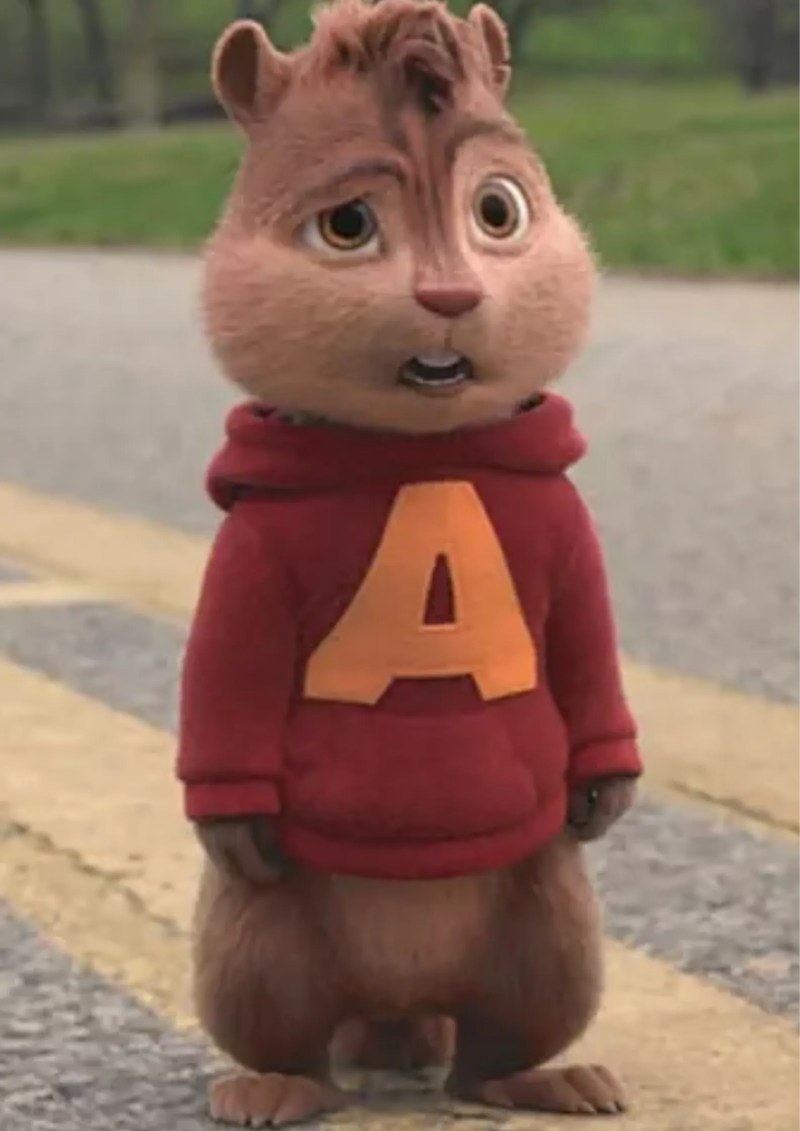
At its core, Chipwrecked is a deconstruction of the pirate genre, filtered through the lens of the Chipmunks’ signature high-velocity antics. The plot follows the trio—Alvin, Simon, and Theodore—as they, along with their human guardian Dave Seville (Jason Lee), crash-land on a tropical island after their ship is wrecked. With no way home, they must outwit a bumbling pirate captain (Matthew Lillard) and his crew to escape. The film’s structure mirrors classic adventure narratives, but its execution is distinctly Chipmunk: rapid-fire jokes, musical numbers, and a healthy dose of physical comedy.What sets Chipwrecked apart is its self-aware tone. Unlike earlier entries that leaned into broad farce, this installment occasionally subverts expectations, particularly in its portrayal of the Chipmunks as vulnerable rather than invincible. Their struggle to survive—complete with hunger, exhaustion, and even a moment of existential dread—adds layers to their usual comedic personas. The film’s animation, while still rooted in the franchise’s signature style, incorporates more dynamic backgrounds and fluid motion, reflecting advancements in CGI since the 2007 reboot. This evolution was crucial; Chipwrecked wasn’t just another sequel—it was a technical and creative leap forward.
Historical Background and Evolution
The Chipmunks’ origins trace back to 1958, when Ross Bagdasarian’s original A Christmas Song introduced Alvin, Simon, and Theodore to the world as a novelty act. By the 2000s, the franchise had transitioned into live-action/animated hybrids, with Alvin and the Chipmunks (2007) and Alvin II (2009) revitalizing the brand for a modern audience. However, the series faced a critical crossroads: how to maintain its identity while avoiding repetitive formulas. Chipwrecked emerged as the answer, blending the franchise’s comedic DNA with a fresh, high-concept premise.The decision to pivot to a pirate theme was influenced by several factors. First, the franchise’s creators recognized that the Chipmunks’ musical roots could be paired with the swashbuckling energy of pirate lore, creating a unique sonic and visual palette. Second, the pirate motif allowed for broader thematic exploration—survival, teamwork, and even environmentalism (a subtle nod to the island’s ecological fragility). The film’s development also benefited from advancements in animation technology, enabling more expressive character designs and intricate set pieces, such as the shipwreck sequence itself.
Core Mechanisms: How It Works
The film’s narrative engine relies on a few key mechanics. First, the dual-perspective storytelling: scenes alternate between the Chipmunks’ high-energy antics and the humans’ more grounded struggles, creating a comedic and dramatic contrast. Second, the musical numbers serve as both plot devices and emotional releases—whether it’s Alvin’s show-stopping rendition of "I’m on a Roll" or the heartfelt "We’re Gonna Be Okay." These songs aren’t just filler; they’re integral to the characters’ arcs.Technically, Chipwrecked’s animation process was a marvel of its time. The team at Sony Pictures Animation used a hybrid approach, combining traditional 2D techniques for the Chipmunks’ exaggerated expressions with 3D CGI for the environment and live-action integration. This method allowed for greater flexibility in camera angles and visual effects, such as the iconic scene where the Chipmunks ride a giant crab. The result was a film that felt both nostalgic and cutting-edge, a testament to the franchise’s adaptability.
Key Benefits and Crucial Impact
The Alvin and the Chipmunks Chipwrecked arrived at a moment when family entertainment was dominated by either hyper-stylized CGI spectacles or nostalgic reboots. By embracing both, the film carved out a distinct niche. Its pirate theme wasn’t just a marketing gimmick; it allowed the franchise to tap into a well of cultural references, from Pirates of the Caribbean to Treasure Island, while still feeling fresh. For younger audiences, the film served as an introduction to the Chipmunks’ world, while older fans appreciated the meta-humor and callbacks to the original cartoons.The film’s impact extended beyond the box office. Chipwrecked proved that legacy franchises could take creative risks without alienating their audience. Its success laid the groundwork for future installments, including Alvin and the Chipmunks: The Road Chip (2015), which further refined the live-action/animated hybrid formula. Moreover, the movie’s blend of humor and heart resonated with critics who had grown weary of formulaic family films, earning it a cult following among animation enthusiasts.
"Chipwrecked wasn’t just another sequel—it was a reinvention, a film that dared to be silly and sentimental in equal measure. It’s a rare achievement in modern animation: a movie that feels both timeless and very much of its era."
— Animation Magazine, 2011
Major Advantages
- Innovative Hybrid Animation: The seamless integration of live-action and CGI set a new standard for family films, influencing later productions like The Smurfs (2011).
- Thematic Depth: Unlike typical pirate stories, Chipwrecked explored themes of resilience and unity, adding emotional weight to its comedic surface.
- Musical Reinvention: The film’s soundtrack, featuring collaborations with artists like Pitbull and LMFAO, modernized the Chipmunks’ musical legacy without sacrificing their signature style.
- Nostalgia with a Twist: The pirate motif paid homage to classic adventure tales while subverting expectations with the Chipmunks’ chaotic energy.
- Cultural Relevance: Released during the height of the "pirate craze" (thanks to Pirates of the Caribbean), the film capitalized on a broader trend in pop culture.
Comparative Analysis
| Aspect | Chipwrecked (2011) | Alvin II (2009) |
|---|---|---|
| Setting | Desert island/pirate ship (high-concept) | Las Vegas (familiar, urban) |
| Animation Style | Hybrid 2D/3D CGI (advanced for 2011) | Traditional 2D with live-action integration |
| Themes | Survival, teamwork, reinvention | Family dynamics, competition |
| Musical Approach | Pop collaborations (Pitbull, LMFAO) | Original songs, classic Chipmunk style |
Future Trends and Innovations
The success of Chipwrecked foreshadowed a shift in how legacy franchises approach sequels. Future installments, like The Road Chip, would continue to experiment with settings (a road trip) and genres (musical comedy-meets-heist), proving that the Chipmunks’ formula could evolve without losing its charm. Technologically, the film’s hybrid animation techniques paved the way for more dynamic family movies, where live-action and CGI could coexist without clashing.Looking ahead, the Chipmunks franchise may explore even bolder concepts—perhaps sci-fi or fantasy settings—to keep the brand relevant. However, the key lesson from Chipwrecked is balance: blending nostalgia with innovation, humor with heart, and high-energy chaos with meaningful storytelling. As animation continues to evolve, the Chipmunks remain a testament to the power of adaptability in entertainment.

Conclusion
The Alvin and the Chipmunks Chipwrecked is more than just a film—it’s a cultural artifact that encapsulates the spirit of early 2010s family entertainment. Its pirate adventure may have been a departure from the franchise’s roots, but it was also a necessary evolution, proving that the Chipmunks could thrive beyond their comfort zone. For fans, it’s a beloved entry; for critics, it’s a fascinating study in franchise reinvention. And for the animation industry, it’s a reminder that even the most iconic properties can surprise us when they dare to be different.As the franchise continues to grow, Chipwrecked stands as a bridge between the past and future—a film that honored tradition while boldly charting new territory. Its legacy isn’t just in the laughs it provided, but in the proof it offered: that sometimes, the best way to stay relevant is to take a risk.
Comprehensive FAQs
Q: Why did Chipwrecked choose a pirate theme?
The pirate motif was a strategic choice to differentiate the film from its predecessors. Pirates offered a fresh, high-energy setting that complemented the Chipmunks’ musical and comedic styles while tapping into a well-known genre with broad appeal. Additionally, the theme allowed for creative visuals, from shipwrecks to treasure hunts, which aligned with the franchise’s love of spectacle.
Q: How did the film’s animation differ from earlier Chipmunks movies?
Chipwrecked introduced a more advanced hybrid animation technique, blending traditional 2D styles for the Chipmunks’ exaggerated expressions with 3D CGI for backgrounds and live-action integration. This approach enhanced the film’s visual dynamism, particularly in action sequences like the shipwreck and the crab-riding scene, setting it apart from the more static animation of Alvin II.
Q: Were there any behind-the-scenes challenges during production?
Yes. One major challenge was synchronizing the live-action and animated elements, particularly for the Chipmunks’ voices and lip movements. The team had to ensure that Jason Lee’s performance as Dave Seville matched the animated Chipmunks’ timing perfectly. Additionally, the pirate setting required extensive research into nautical terminology and ship mechanics to maintain authenticity.
Q: Did Chipwrecked perform well at the box office?
The film had a modest box-office run, grossing over $200 million worldwide against a $75 million budget. While it didn’t match the commercial success of Alvin II, it performed respectably and helped solidify the franchise’s longevity. Its profitability was further bolstered by merchandise sales and home media releases.
Q: How did the film’s soundtrack contribute to its success?
The soundtrack was a standout element, featuring collaborations with contemporary artists like Pitbull ("I’m on a Roll") and LMFAO ("Chipmunks Love Punk Rock"). These tracks modernized the Chipmunks’ musical legacy, appealing to younger audiences while staying true to the franchise’s roots. The songs also served as emotional anchors, enhancing the film’s comedic and dramatic moments.
Q: What is the film’s legacy in the franchise?
Chipwrecked is often regarded as a turning point for the franchise, proving that the Chipmunks could take creative risks without alienating their fanbase. It laid the groundwork for The Road Chip, which further refined the live-action/animated hybrid formula. Culturally, the film’s pirate theme and self-aware humor have earned it a dedicated following among animation enthusiasts, cementing its place as a unique entry in the series.
Leave a Comment
Comments are moderated before appearing. The data you submit is processed according to the Privacy Policy of Vetlife Archive.